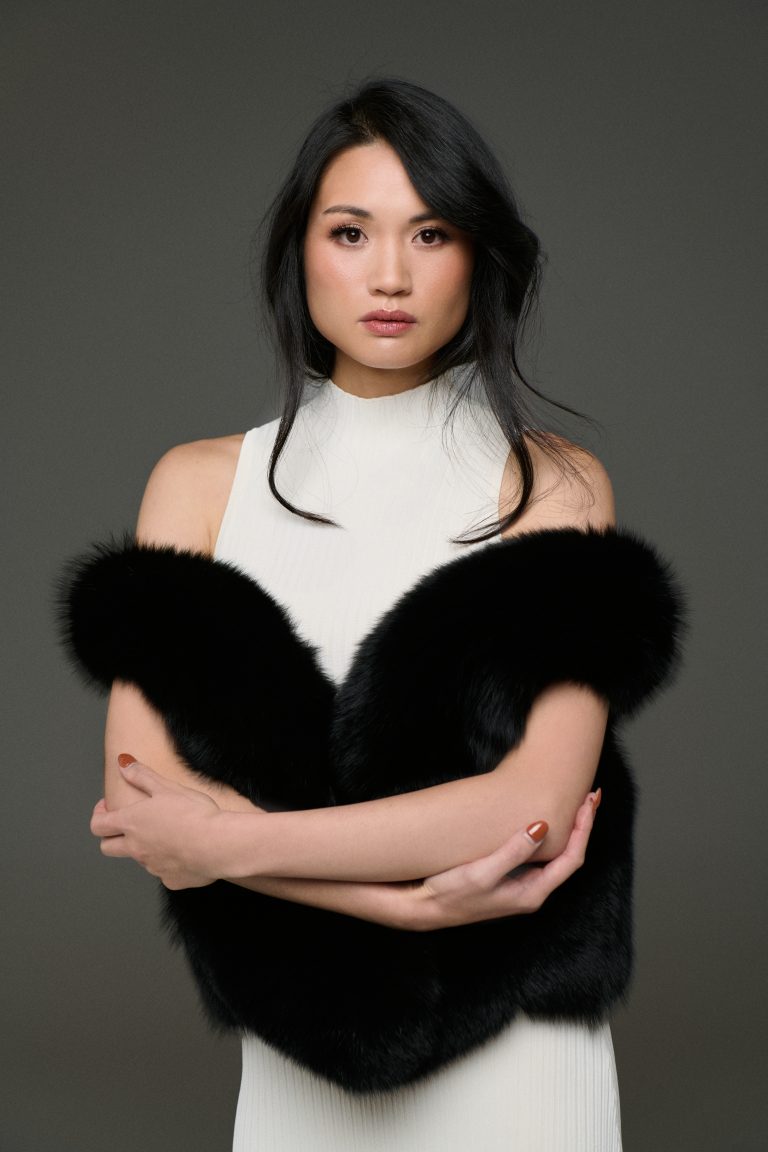
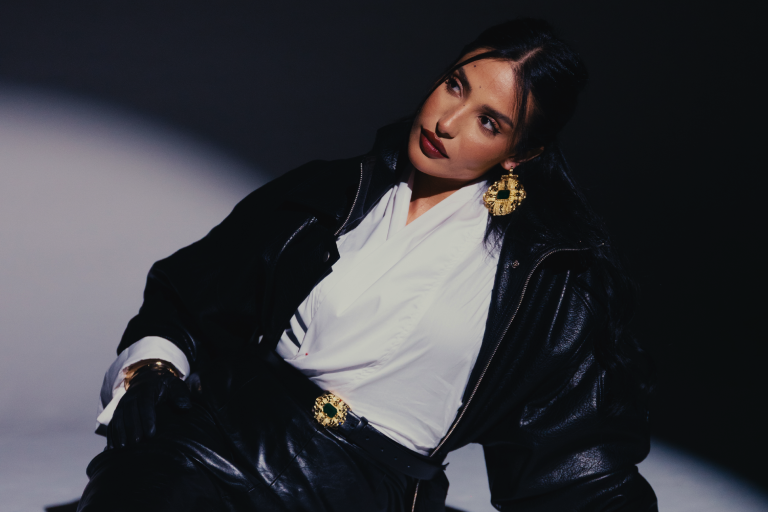
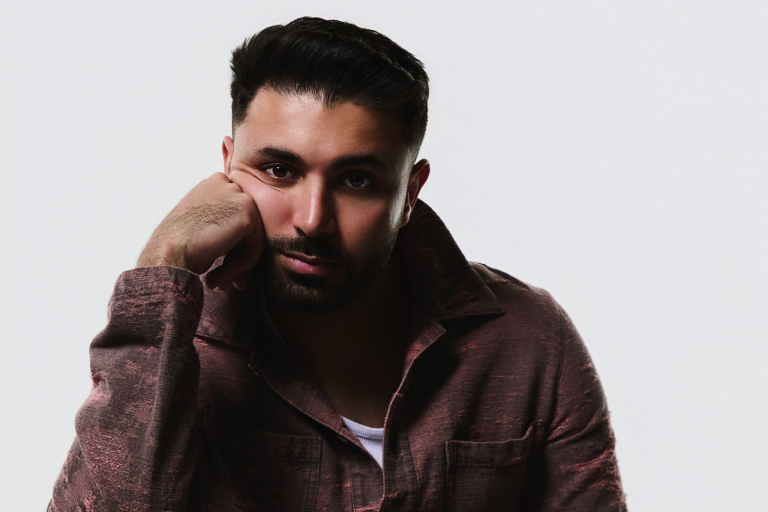
Laila Mokhiber is the senior director of communications at UNRWA USA.
Ziad,
You carried Lebanon in that chest of yours, its heartbreak and its humor. Decades of disappointment, defiance, and devotion. You didn’t coddle your country. You confronted it. With satire, with jazz, with a piano that laughed, cursed, and wept. You made grief smirk. You made rage sing.
You weren’t just Fairuz’s son.
You were our mirror.
You saw Lebanon and the region not through rose-colored glasses, but in full: absurd, glorious, fractured, corrupt. You turned it into music. You named what others wouldn’t. You mocked what needed mocking.
You came of age during the Lebanese Civil War and turned that bloody era into theater, jazz, satire, critiques, and punchlines. You held a mirror up to sectarianism, corruption, warlords and foreign puppets alike. You gave the people soundtracks to their rage.
The things you wrote in the ‘70s and ‘80s could be re-released today and it would feel like breaking news.
Not because you were ahead of your time.
But because we’re still stuck in yours.
And now Gaza.
You didn’t live long enough on this Earth, but you lived long enough to witness the worst of it, including the now ongoing genocide in Gaza.
For the last 21 months and counting, we’ve watched forced starvation used as a military strategy. Babies buried under the rubble. Artists, poets, doctors, teachers, aid workers, entire family lines, bombed, displaced, starved, erased. Cameras trying to keep up. The world fumbling for language, debating whether it is acceptable to call it what it is.
But you, you always knew how to name things.
I think back to 11 winters ago, in 2014. My first trip back to the Middle East as an adult.
A huge deal for someone like me. A fifth-generation Arab American with broken Arabic and an inherited ache. I grew up in northern Virginia, homesick for a place I’ve never lived in. My great and great-great grandparents left Lebanon in the early 1900s. I’m a child of the diaspora. Palestine and Lebanon lived in our house through stories, cassette tapes, food, and longing.
That winter, UNRWA USA sent me on that first field visit to see the Palestinian refugee camps. I walked the narrow alleys of Sabra and Shatila. I met Palestinians who had been in Lebanon since 1948, and whose grandchildren still can’t legally work in dozens of professions. People who still can’t go home. Displaced in a country that itself is still bleeding.
One night on that trip, my cousin Ghassan, a former Member of Parliament, founder of LeBAM music program, and a walking archive of Lebanese history and culture, gave me the most Lebanese evening possible. We started at the Al Bustan Music Festival in our family’s hometown of Beit Mery, then drove down the mountain to Beirut at a late-night jazz show.
Yours.
I’d known your sound long before I knew your name. My parents, both born in diaspora, are music lovers, and raised us on it. My dad, Lebanese. My mom, Palestinian. We were raised on all kinds of sounds, including Fairuz, Ziad, Marcel Khalife, and more. I studied piano, like you, from the age of six. Taught it while studying music in college. My brother, Anees, would later ditch a law career to become a full-time music artist. One who speaks without filters and who calls out injustice as you did.
Somewhere in the soundscape was always you.
That night in Beirut, I was giddy to see you perform live. I was also surprised to see my buddy April Centrone on drums. Someone I knew through the New York Arabic Orchestra, back when the great Bassam Saba, Allah yerhamu, was still with us.
After the show, I got to meet you backstage.
I told you my cousin Osama made a ridiculous promise: if you gave me your autograph, he’d name his firstborn Laila, even if it turned out to be a boy. You didn’t sign anything. But you, notorious grump that you were, smirked. Laughed. And allowed me a precious photo with you that I still cherish. That tiny moment became a core memory for me.
Ghassan almost got you to take a road trip with us to Baskinta to a LeBAM rehersal–his pride and joy. A space where the next generation is learning how to play band instruments in the mountains. It didn’t happen. But I still imagine how those students might’ve reacted. Ziad Rahbani, the master, in the flesh.
You didn’t make art to flatter Lebanon’s ego.
You used satire to cut through the BS.
You dragged it out of denial.
You showed us that love for your homeland could look like rage.
That mockery could be holy.
That art wasn’t just decoration.
It was a demand.
You held up a mirror to Lebanon to expose the tender, absurd, and even ugly truths.
That’s what I keep returning to.
And now you’re physically gone.
And Fairuz, your mother, whose voice is the Arabic speaking world’s morning coffee, must bury her beloved son.
So we ask: Who will hold the mirror next?
Maybe it’s the young photographers from Gaza, like my friend Motaz Azaiza, displaced and haunted by what they saw and captured, but still documenting.
Maybe it’s the rappers in Ramallah, spitting truth into staticky mics.
The violinists in Shatila, tuning borrowed strings between blackouts.
The girls in Saida scribbling resistance in the margins of math books.
The boys in Bourj Hammoud recording beats on cracked phones over the hum of generators.
The music students in Beit Mery, learning scales in a country that keeps collapsing.
The kids in the south, tired of evacuations, still dancing at weddings under drones.
The cab drivers in Hamra blasting Fairuz on the stereo with fury in their throats.
The laborers rebuilding what will collapse again.
The storytellers in Dahieh, Ein el-Hilweh, and Tripoli.
Maybe it’s the children of Gaza, whispering lullabies beneath the rubble, songs the world hasn’t yet heard, but will outlive us all.
Maybe it’s all of us.
You left us a charge. A challenge. A standard.
To keep the mirror up. Even when we don’t like what we see.
So this is my love letter, Ziad.
You’d probably roll your eyes at it.
But I’m writing it anyway.
Not to mythologize you.
But to say: we heard you. And we still do.
Thank you for your disobedience.
For your rage.
For your rhythm.
For your smirk.
For the mirror.
We saw ourselves.
We still do.
With love and longing,
Laila