
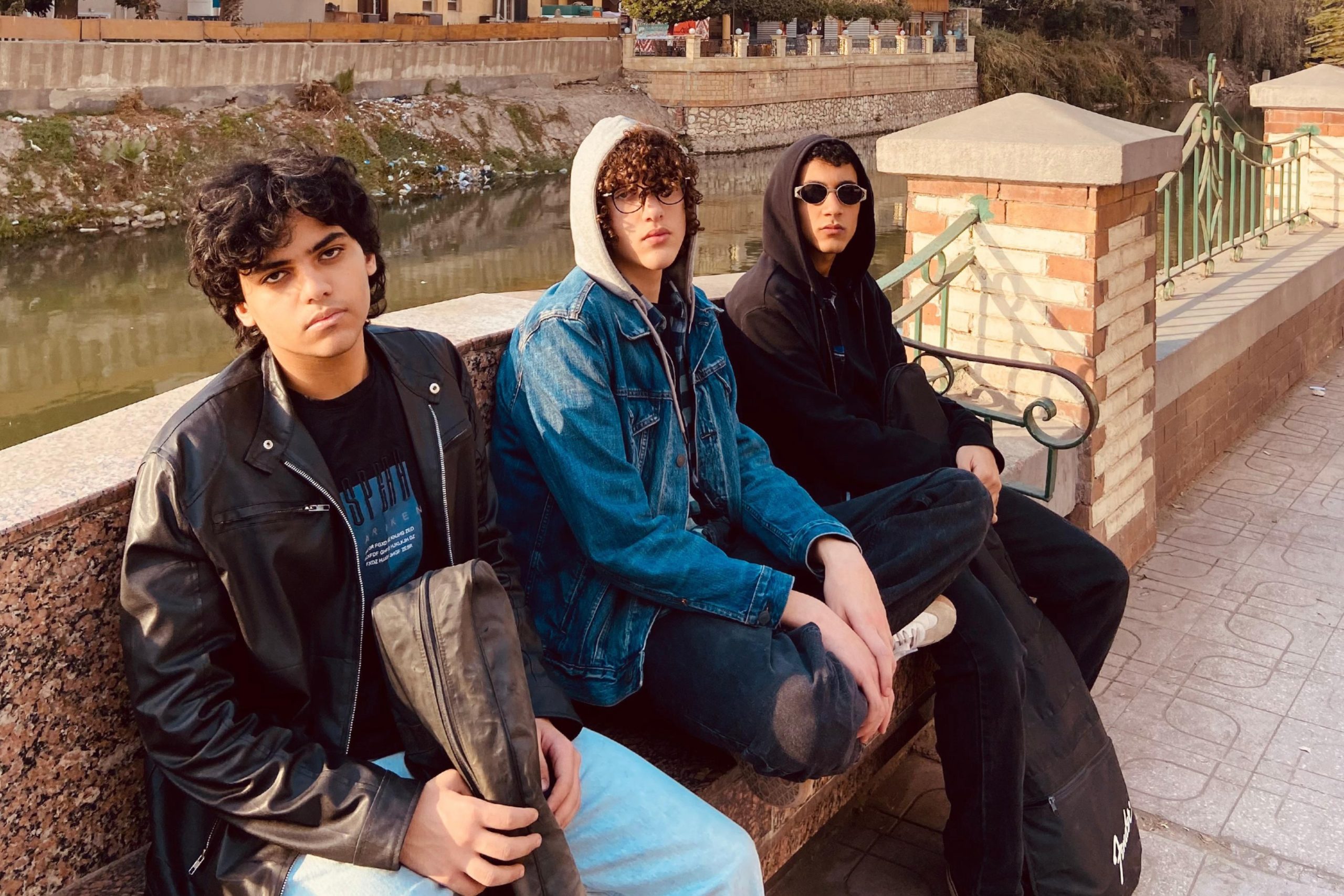
Zagazig-based punk trio Vemto have released their new single “Lebs El Habayza,” a track that captures the tensions of adolescence and self-expression within a conservative social environment. The title, which loosely translates to The Clothes of Hipsters, sets the tone for a song that navigates how young people are perceived versus how they choose to present themselves.
Built on distorted guitars, fast tempos, and raw, DIY production, “Lebs El Habayza” channels a distinctly punk aesthetic while addressing familiar teenage realities: insecurity, fear of social judgment, puberty, and the discomfort of sudden physical and emotional change. The lyrics trace moments of awkward self-awareness – from frustration with one’s own appearance to unease around accusations of being “too feminine.”
The band have previously spoken about growing up in Zagazig and the resistance they encountered when attempting to assert their individuality, experiences that are clearly echoed in the track’s narrative. Rather than dramatizing these struggles, the song approaches them with directness and clarity, allowing its themes to remain grounded and relatable.
Everything about Vemto aligns with the punk tradition – from their influences (Green Day, Nirvana, among others) to their unpolished sonic character and confrontational approach to lyrics. Their debut single earlier this year, “Meka7ala 3enha,” gained traction on Instagram and TikTok, culminating in a live performance in Zamalek this September and earning them the informal moniker “Zagazig’s Green Day.”
While rock music has seen a decline in regional visibility in favor of R&B and hip-hop, Vemto’s emergence signals a localized attempt to re-engage with punk as both sound and attitude. With “Lebs El Habayza” marking only their second official release, the band continues to carve out a space for itself that prioritizes immediacy over polish and resonates with listeners navigating similar stages of self-definition.






Abdi Declares the SDF Integration Into the Syrian State Complete
The SDF has completed its integration into Syria’s state institutions, a major step toward a unified Syria.