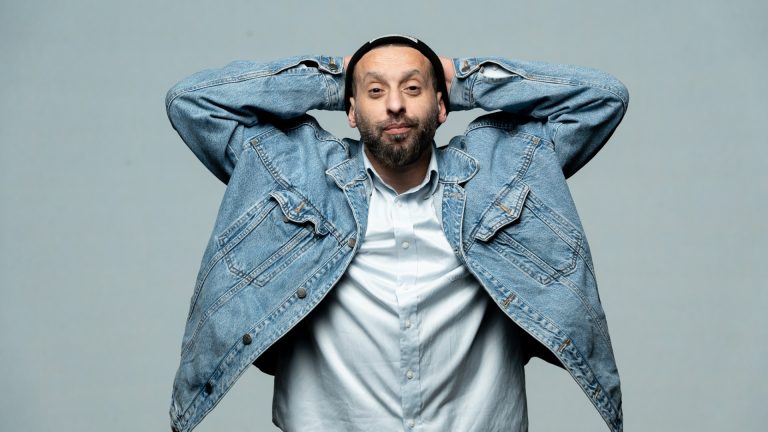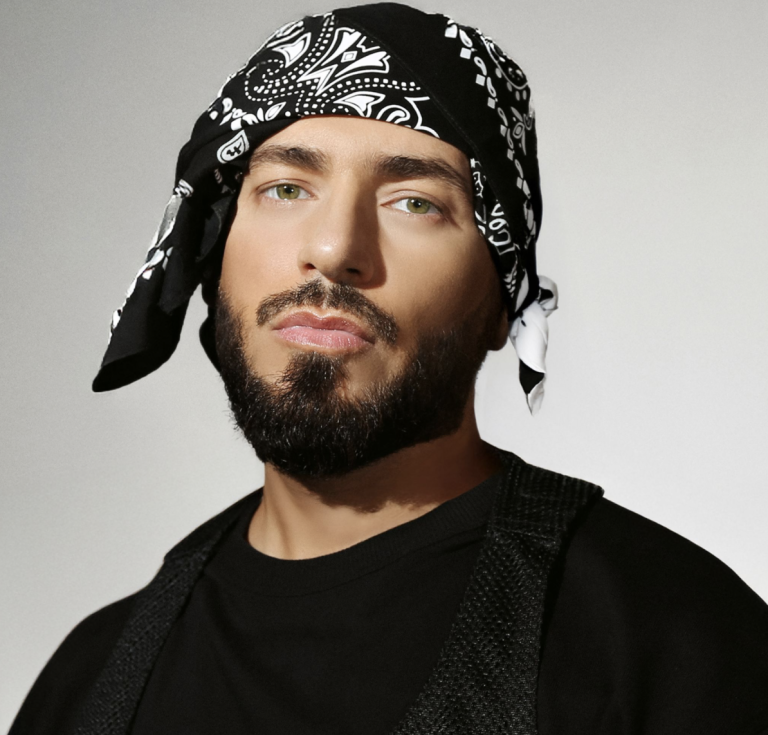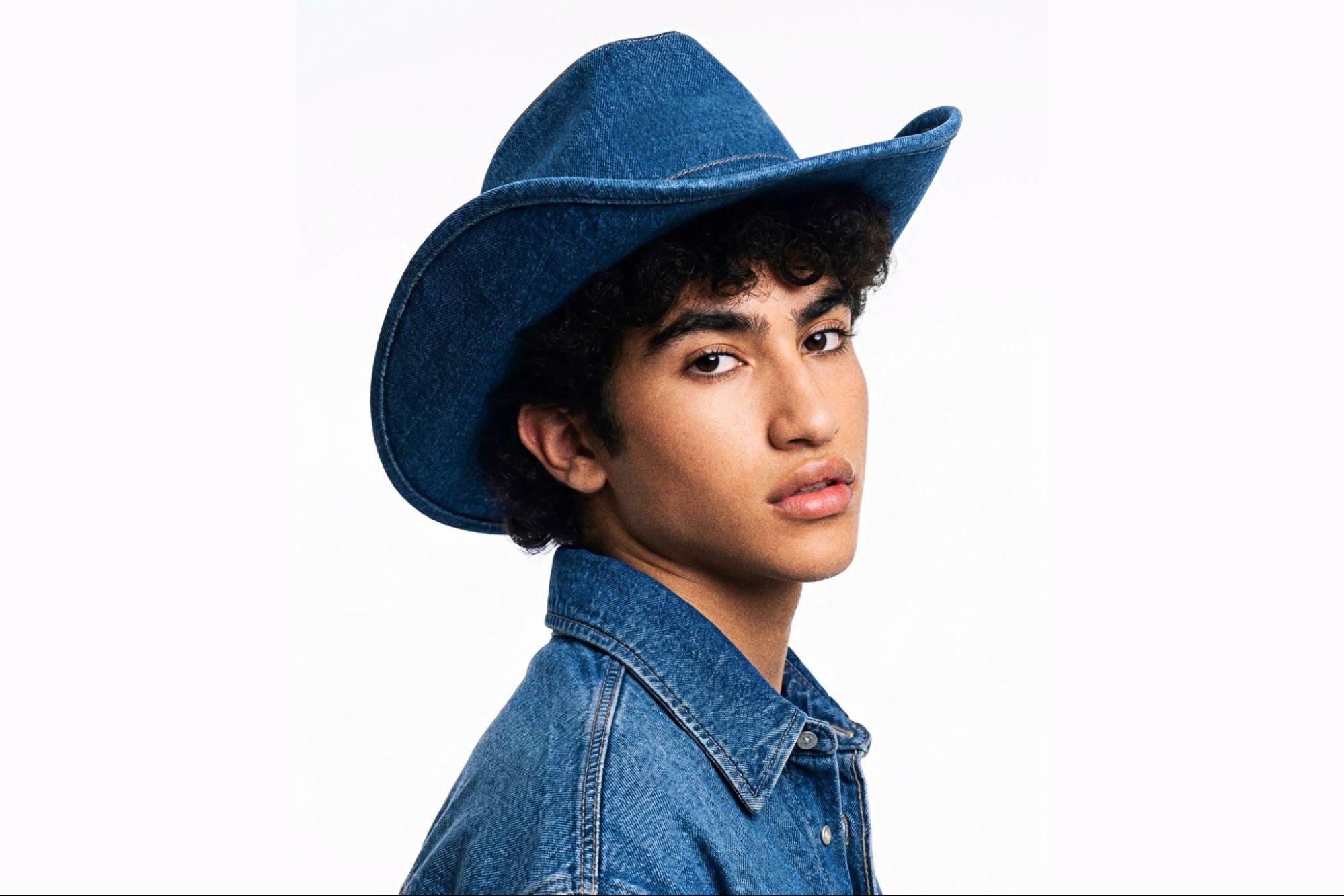
From Dubai modeling campaigns to Los Angeles social media influence, Blaze Wilde is shaping a version of Arab visibility that leaves more room for individuality.
Blaze Wilde understands that image can carry a different kind of weight when you come from a place where people are taught to notice everything. Clothes speak. Posture speaks. The way a man moves through public life can become a statement before he has said a word.
For Blaze, being watched became part of the work, not a reason to step back.
“I knew people would read meaning into the way I dressed, the way I spoke, the way I presented myself,” Blaze says. “At some point, I decided they could read whatever they wanted. I was still going to be myself.”
Blaze Wilde was born in the United Arab Emirates. He began modeling in Dubai at 17 and later moved to Los Angeles. He is an Arab model, influencer, and social media personality who built his name by challenging stereotypes across the Middle East and GCC while growing an audience across TikTok, Instagram, and Snapchat.
His story begins in the UAE, but not with a perfectly mapped career plan. Blaze grew up in Fujairah, then moved to Dubai after he was scouted. Dubai gave him access to fashion, media, and a wider creative scene, but it also placed his choices in a region where public image can carry heavy social meaning.
“There is a version of you people feel comfortable with,” he says. “The problem starts when that version is not actually you.”
Blaze entered modeling at 17, at an age when most people are still testing their voice in private. He had to do that testing in public. Modeling was not the most common path for a young Arab man in his environment, especially not one who wanted to bring a bold, westernized sense of style and entertainment into his image.
He took the chance anyway. His early work included campaigns that gave him more than professional experience. They gave him proof that he could step into an unfamiliar lane and hold his place there.
“I did not see a clear path already waiting for me,” Blaze says. “So I treated the uncertainty like part of the job.”
That willingness to keep going became central to his identity. Blaze did not treat modeling as the final destination. He began posting online, sharing campaign work, lifestyle content, vlogs, and even dances. His audience grew because the content offered more than a finished image. It showed taste, attitude, humor, and a point of view that felt connected to the culture around him.
“I liked modeling, but I wanted the work to have more movement,” he says. “Online, people could see the taste, humor, and energy around the photo.”
That presence traveled. According to the company, Blaze built hundreds of thousands of followers and reached millions of views, drawing attention from viewers in the UAE, Saudi Arabia, the United States, and other parts of the world. The response showed him that the pressure he felt was not only personal. Many young people understood the feeling of being asked to fit a role they did not write.
“People think individuality is easy because they see the final photo,” Blaze says. “They do not always see the part where you have to fight your own hesitation first.”
The phrase he returns to is self-expression. Not shock. Not rejection. Not disrespect. Self-expression.
That distinction matters to him. He is proud to be Arab. He also believes Arab identity is big enough to hold more than one kind of masculinity, more than one kind of style, and more than one way of being seen.
“I never felt like I had to disconnect from my roots to become myself,” he says. “I felt like I had to stop letting people decide what being Arab was supposed to look like on me.”
That is the larger point behind his public image. Blaze’s work sits at the meeting place of Middle Eastern roots and global pop culture. He is drawn to fashion, entertainment, beauty, personality, and the quick language of social media. He also knows that when an Arab man presents himself with that kind of freedom, the image can challenge people before the message even begins.
“I hear from people who understand it without me explaining every detail,” Blaze says. “They know what it feels like to edit yourself before anyone even says anything.”
Los Angeles became the next stage of that story. Blaze moved to the United States to chase a bigger life in entertainment and self-expression. He calls the U.S. home now, but he does not describe the move as a clean break from where he came from. He speaks about it as an expansion.
“LA did not erase my roots,” he says. “It gave me space to carry them differently.”
That difference has shaped the way he thinks about influence. He is not trying to become another interchangeable online personality. He wants his platform to show that someone can be Middle Eastern, ambitious, expressive, modern, and still deeply connected to their origin. He wants young people watching from strict environments to understand that following the pack is not the only option.
“You can respect where you come from and still ask questions,” Blaze says. “You can love your culture and still refuse the parts that make you feel trapped.”
His future goals are tied to that message. Blaze wants to be seen as a self-made Arab figure who chose his own path, not because it was easy, but because the alternative felt too small. He wants his work to reach people who feel boxed in by judgment, family pressure, cultural expectation, or the quiet punishment that can follow anyone who becomes too visible.
“I want people to see that an Arab public image can be self-made,” he says.
Blaze Wilde’s image is polished, but the story underneath it is not about polish. It is about authorship. He is testing what Arab male visibility can look like when it is shaped by individuality instead of conformity. He is not asking to be removed from his culture. He is asking to be seen within it, fully and on his own terms.
That may be the real shift. The new Arab image represents breaking cultural stereotypes with an open mind.
Rolling Stone MENA staff were not involved in the creation of this content.