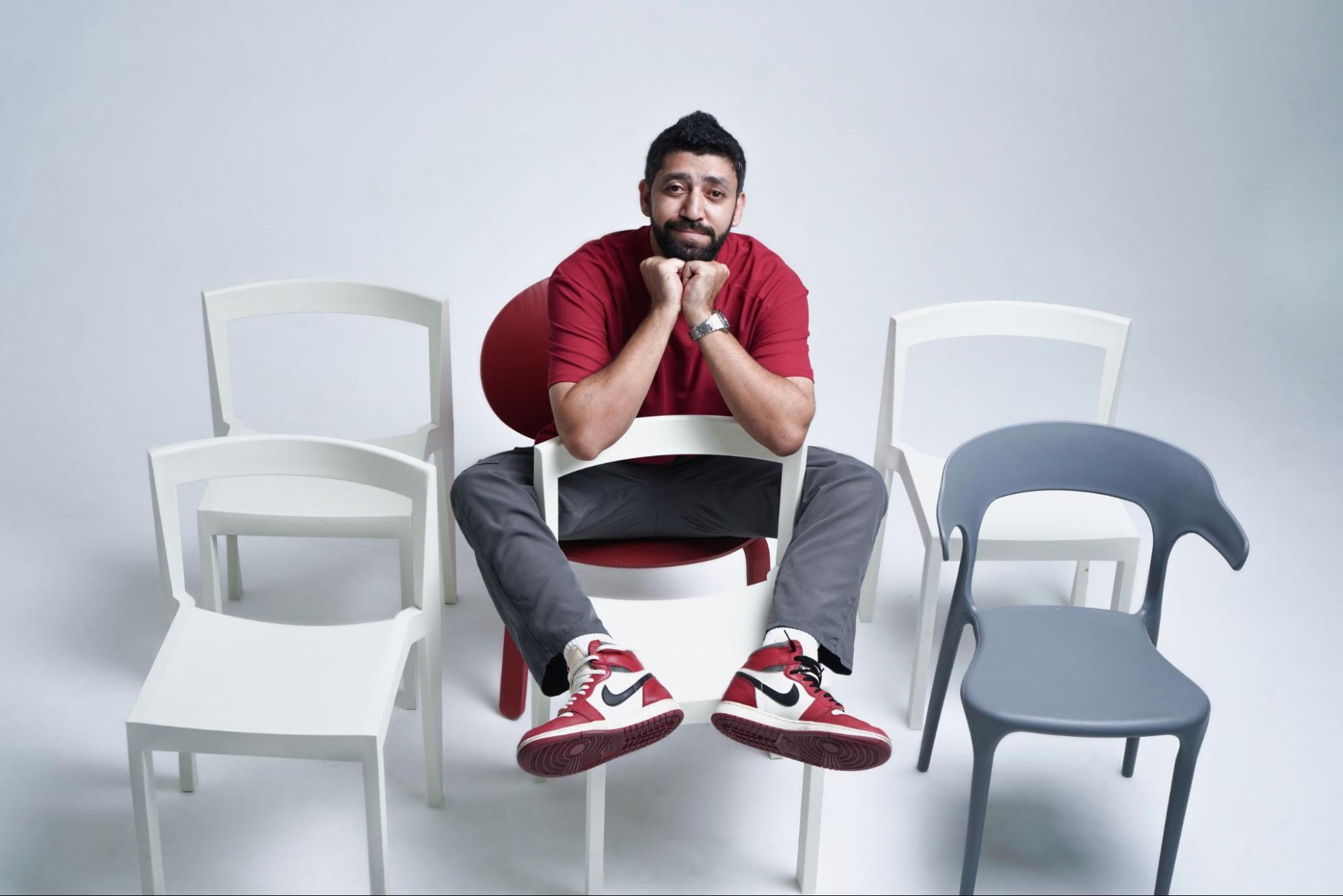
For many, personal branding is still interpreted through the lens of marketing, visibility, and digital presence, something shaped after the fact to support a career or amplify a product. For Wael Mckee, it begins with identity. Long before audiences discover a song, a collection, or a product, they respond to the person behind it. That realization, to him, came from experience.
Before launching Mars Vision, Mckee noticed that opportunities were emerging based on how clearly people understood him. His ideas resonated more when his identity was consistent. His presence created trust before conversations even began. That awareness became the foundation of his work.
“I saw that people connected with me before they connected with anything I produced,” he says. “That connection came from clarity. Once you define who you are, everything else starts to align.”
From Self-Realization to Creative Direction
Mckee’s path into branding evolved through working with individuals who shared a similar challenge. Entrepreneurs, creatives, and emerging artists often had strong ideas yet struggled to communicate who they were in a way that audiences could recognize and remember.
He began by helping them articulate that identity. Over time, this process developed into a structured approach that blends storytelling, design, and digital presence into one cohesive system. Each element serves a single purpose: To make the individual visible in a meaningful way.
“We are basically taking what already exists within a person and presenting it with precision so others can understand it instantly,” he explains. This philosophy resonates strongly within the music industry. Artists today operate in a landscape where access is widespread, yet attention is fleeting. A song may travel quickly, yet without a clear identity, the momentum rarely lasts.
Where Personal Branding Meets Culture
While Mckee often references music and entertainment as clear examples of how identity functions in public spaces, his broader focus extends beyond any single industry, centering instead on how individuals are perceived across all forms of interaction, whether through work, communication, or digital presence.
In his view, a release, a product, or a performance can introduce someone to the world, but it is the identity behind it that determines whether that introduction holds meaning or fades quickly, because audiences today are not only responding to output, but to the narrative, values, and consistency that surround it.
“An artist is not just creating art anymore,” he says. “They are creating a world that people step into. If that world is unclear, the audience has nothing to hold on to.”
This idea applies just as strongly outside of entertainment, where entrepreneurs, founders, and professionals are increasingly evaluated not only by what they deliver but by how clearly they are understood, and whether that understanding remains stable over time.
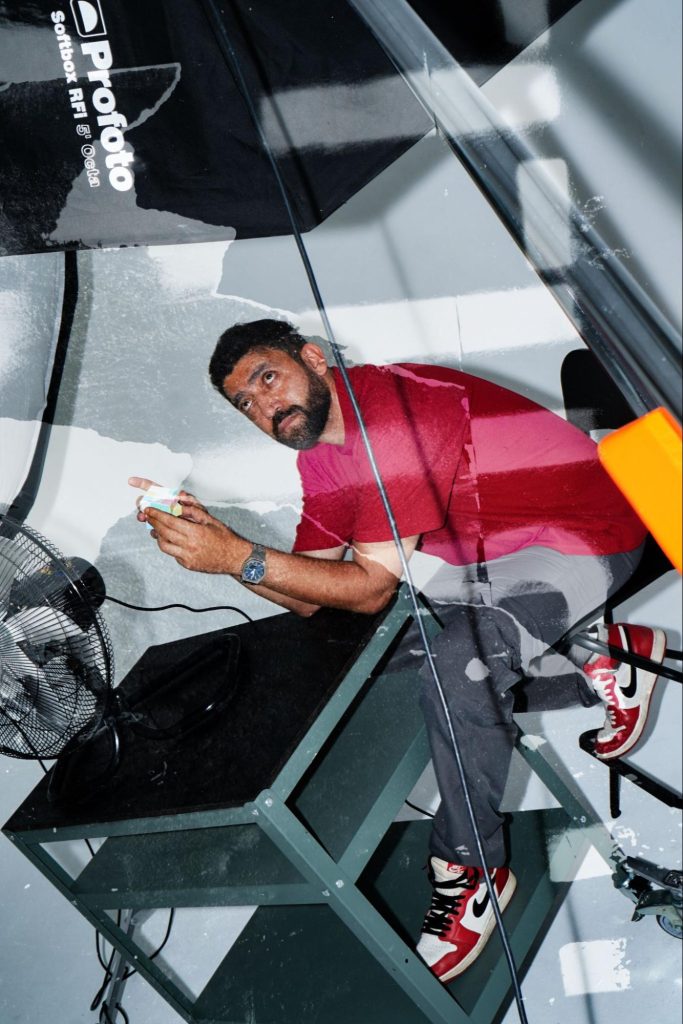
Crafting Presence With Precision
Mckee’s approach reflects a balance between creativity and structure. His background across design, technology, and luxury branding informs a method that values both emotional impact and strategic clarity. Each decision serves a larger narrative.
He emphasizes that building a personal brand requires discipline. Visibility alone does not create influence. “People decide very quickly what you represent,” he says. “If your presence is inconsistent, that decision becomes uncertain. If it is clear, it becomes powerful.”
For artists navigating a crowded industry, this clarity can define the difference between a fleeting moment and a lasting career. Mckee outlines several principles that guide this process: Establish a clear narrative that reflects who you are as an artist, align visual identity with the tone and emotion of your work, maintain consistency across every platform and interaction, focus on building connection rather than chasing attention, and treat each release as part of a continuous story. These elements reinforce a single idea that identity is cumulative.
Beyond The Moment Of Exposure
In a culture driven by rapid trends, Mckee remains focused on longevity. He views personal branding as a form of ownership that allows individuals to define their narrative over time. This approach reduces reliance on unpredictable moments of visibility.
“A viral moment can introduce you,” he says. “It cannot sustain you. Sustainability comes from people understanding who you are and believing in it.” This belief extends beyond entertainment into entrepreneurship and leadership. Whether launching a product or releasing music, the underlying principle remains unchanged.
He also highlights the role of digital presence in shaping perception. Search results, online platforms, and visual storytelling act as the first point of contact between individuals and their audience. Each element contributes to the overall impression.
“When someone looks you up, that is your introduction,” he explains. “If that introduction lacks depth, the connection ends there. If it reflects who you are, it might open doors to everything else.”
Creating A Lasting Resonance
Mckee’s work continues to evolve alongside the industries he engages with. As technology expands the ways in which audiences interact with content, the importance of identity becomes even more pronounced. New platforms offer new opportunities, yet the core principle remains unchanged.
For Mckee, the objective is simple. To help individuals define that identity with clarity and communicate it with intention. Whether working with a musician preparing for a release or an entrepreneur building a brand, the process begins at the same point. Understanding the person behind the work.
He remarks, “Your identity is the one thing that stays with you across every project, every platform, and every stage of your career. If you define it clearly and live it consistently, people will always know where to find you.”
RS MENA staff were not involved in the creation of this content.