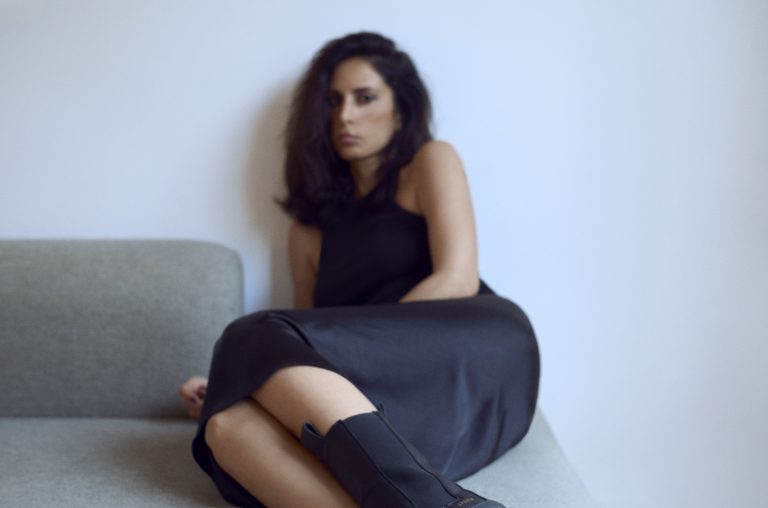
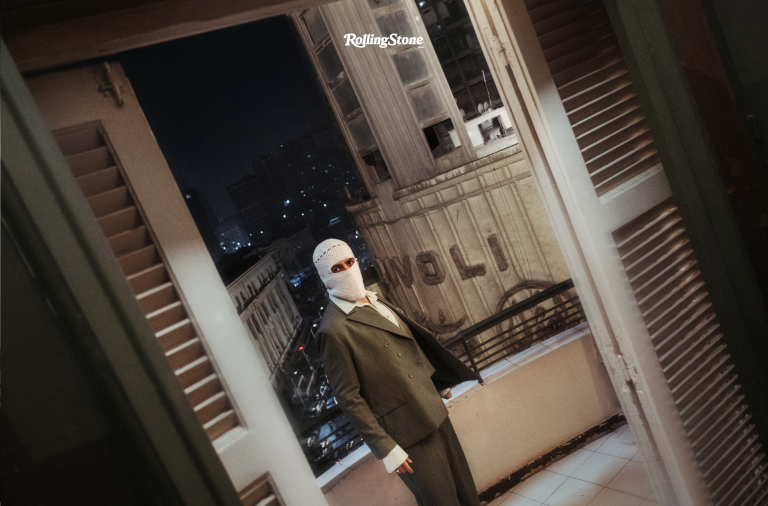
Maryam Saleh has long been a defining voice in the Arab indie movement, rising to prominence during the post-Arab Spring indie wave, with a body of work that weaves together folklore, history, politics, social critique, economic realities, and often a sharp, dark-edged satire. Her 2012 album Mesh Baghanny became a cornerstone of Arab rock, and one of the releases that carved space for a female lead in a scene that was still shaping its identity.
A few years later, she marked another milestone with the valiant and wildly imaginative Lekhfa, created in collaboration with Tamer Abu Ghazala and Maurice Louca. The album remains one of the most daring works in contemporary Arabic music – known for its experimental production, unconventional structures, and fearless lyricism.
Everything pointed upward until Maryam, in her own words, was “banned” by an undeclared decision from the Musicians Syndicate from performing at public events in Egypt. The reasoning remains unclear to this day. Some attributed the move to the audacity of Lekhfa’s language; others speculated about peripheral tensions tied to her unconventional stage presence and performance style.
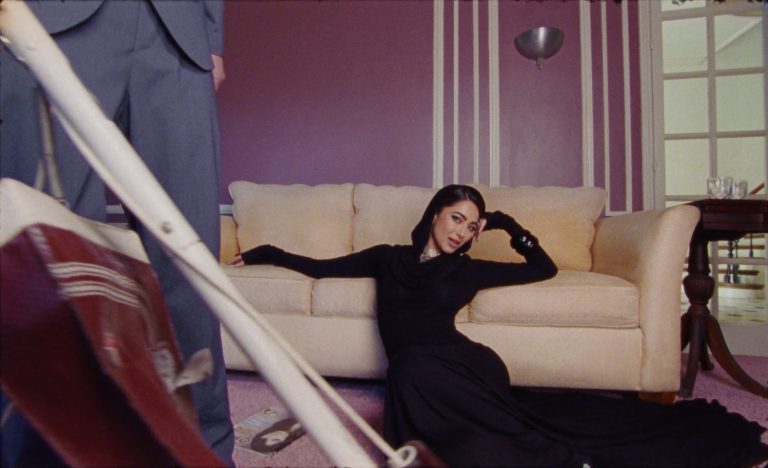
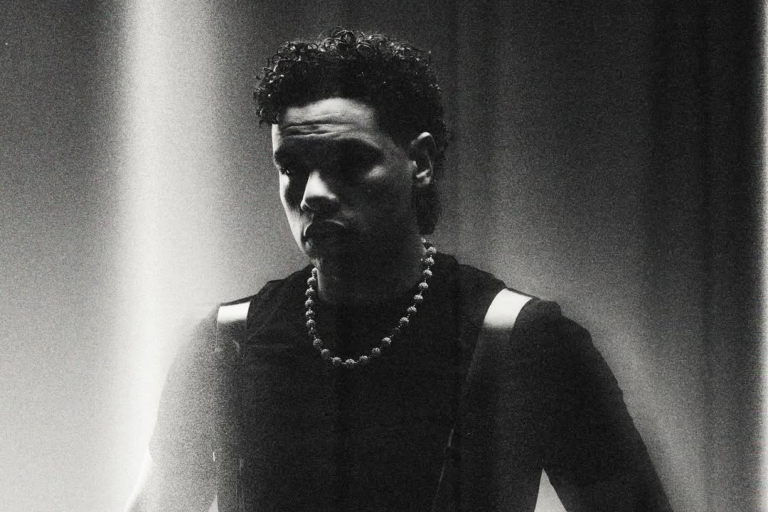
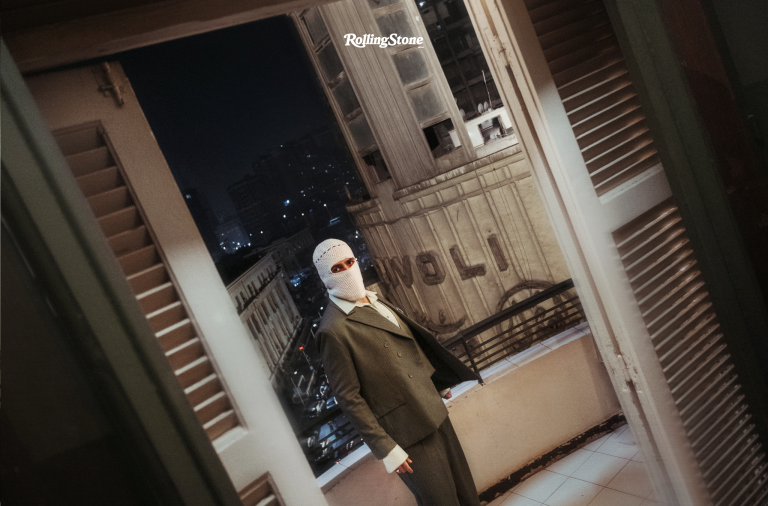
Now, after years of near silence, she returns with “El Fetra,” a single from her upcoming album Syrr, set for release in March 2026 on Simsara Music. Written and composed by Maryam herself, the track marks her first collaboration with Cairo producer El Waili, while also renewing her long-running partnership with Maurice Louca.
The title “El Fetra” translates to instinct, and the song inhabits that space fully – self-discovery, self-expression, the search for an inner voice, moments of escape, and the quiet struggle to understand oneself. The production by El Waili and Louca mirrors this journey with understated electronic grooves that support Maryam’s voice rather than overpower it. The arrangement, from the heavy cello and brooding keyboard chords to the daf-like percussion, reinforces the song’s dark and weighty atmosphere.
“El Fetra” also introduces a new sonic direction in Maryam’s career. It moves away from her trademark mix of instrumentalism and folkloric modernism – long associated with the echoes of Sheikh Imam and Sayyid Darwish – and steps deeper into hybrid spaces where electronic textures coexist with her signature grit and narrative depth.
Maryam’s return signals a new phase in her artistic evolution, hinting at more contemporary sounds and deeper experimentation. The single points toward an album shaped by slow process and meticulous attention to detail. Early collaborations with Maurice Louca, El Waili, and, unexpectedly, Kamilya Jubran – who worked with Maryam during the album’s initial stages – suggest a quietly ambitious project after years of absence, leaving us in anticipation of the secrets Syrr will spell when it arrives in full.