Sound of Disillusionment
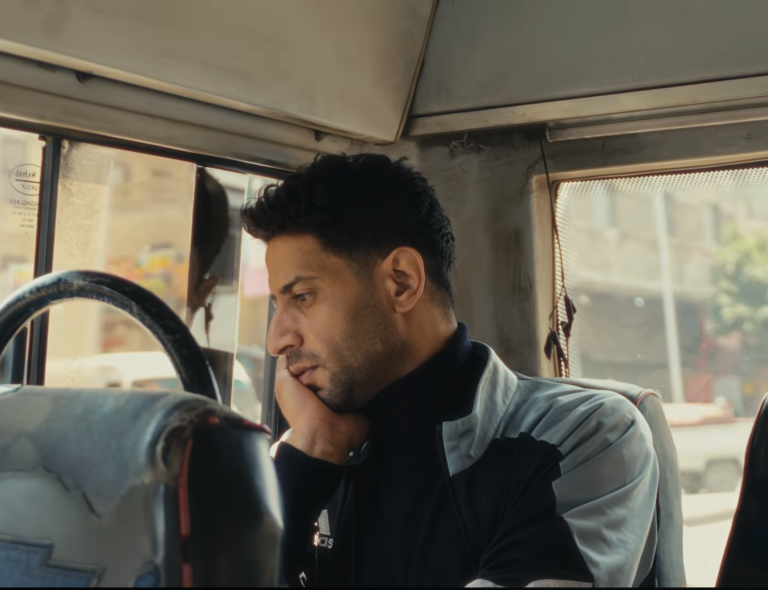
No Arab Album This Century Has Told the Truth Like Mashrou’ Leila’s Raasuk
Revisiting Mashrou’ Leila’s Raasuk, the 2013 indie landmark that captured the anger and disillusionment of a post-Arab Spring generation.

Revisiting Mashrou’ Leila’s Raasuk, the 2013 indie landmark that captured the anger and disillusionment of a post-Arab Spring generation.
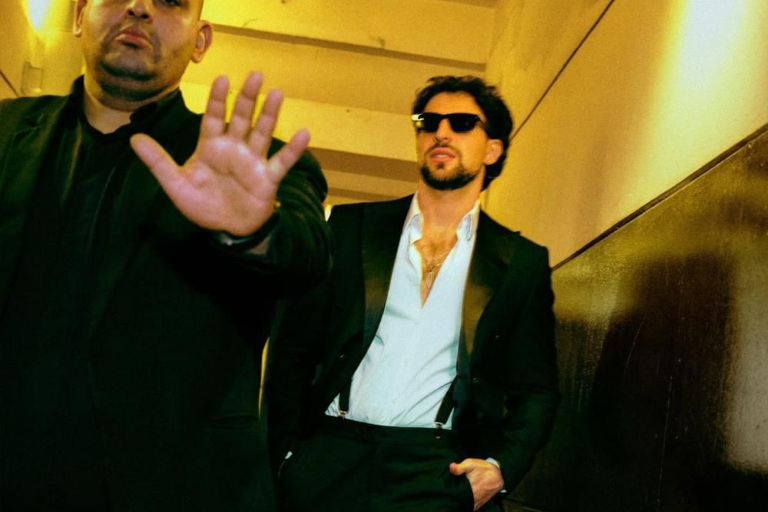
On Afandi, Saint Levant blends Arab pop’s past and present into a cohesive, hit-driven record that revisits without imitation.
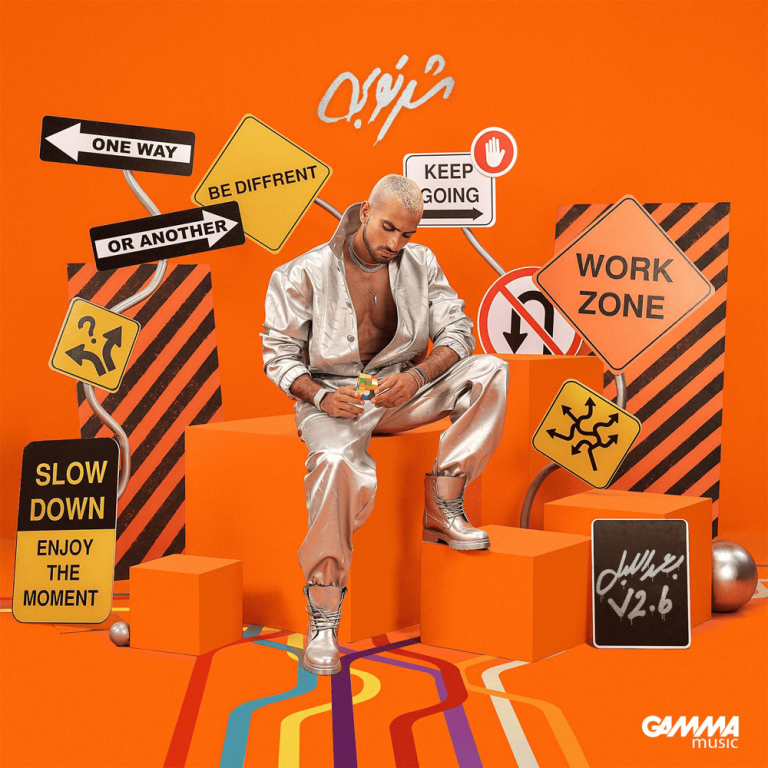
After a divorce sent him on a journey of growth and self-discovery, Sharnouby takes creative control of his comeback album, Ba3d El Leil.
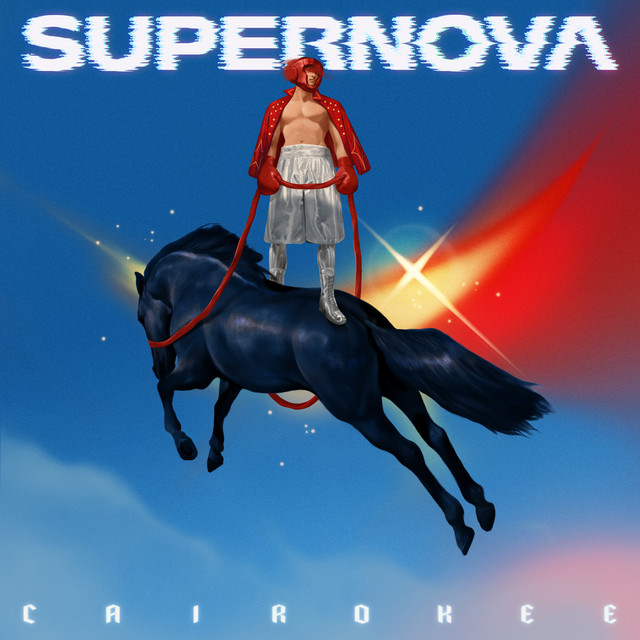
Cairokee’s Supernova documents post-Arab Spring defeat with discomforting precision. Whether it’s a good album is another question.

On Habeitek, Amr Diab returns to his ’90s and ’00s sound, meeting Gen Z’s growing appetite for Y2K nostalgia.

Othman Shahin traces the faris – the warrior-poet of classical Arab tradition – revived by Shabjdeed, Touch, and Smokaholic in Kattal.
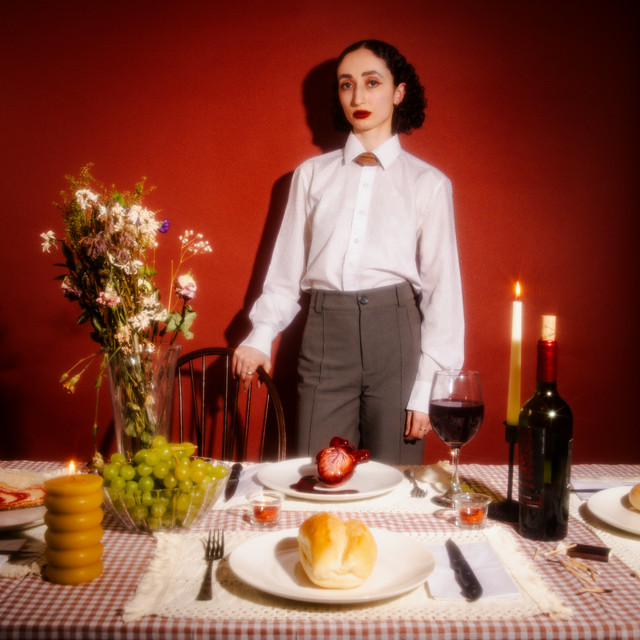
Sara Abdelbarry delivers a sharper, more melancholic follow-up with Teen Idle’s ‘A Heart So Tender,’ rich in hooks and quiet ache.
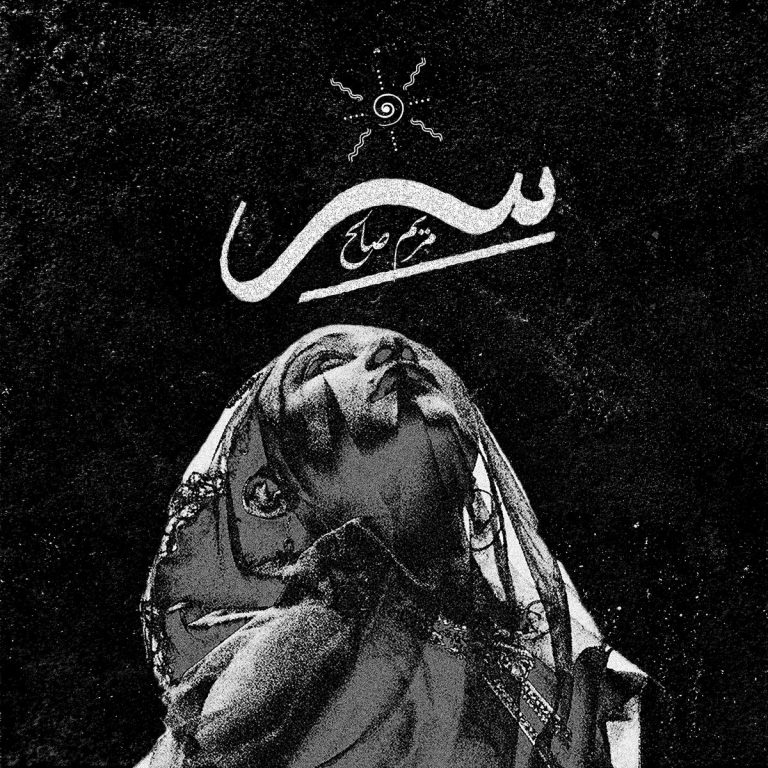
Maryam Saleh’s Syrr is the revivalist album Arabic music has been waiting for – intimate, effortless, and deeply felt.

A night drive between Los Angeles and Jerusalem, City of Angels finds Konstancy turning distance into restrained, lived-in hip-hop.
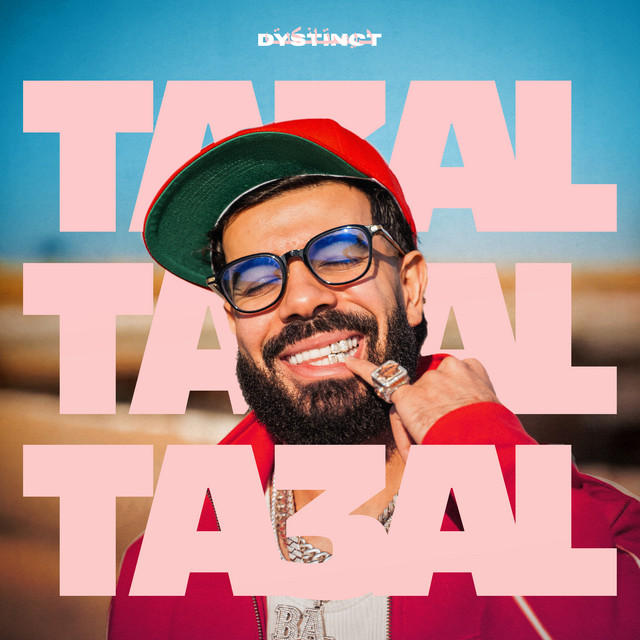
Why Dystinct’s “Ta3al” feels like franchising a hit instead of pushing forward – and how pop keeps forgetting the power of scarcity.