Shot in 2010, by coincidence at the perfect moment just before the 25 January Revolution, Ahmad Abdalla’s second feature film Microphone became an unforced, organic reflection of everything simmering beneath the surface.
Abdalla, with the instinct of a filmmaker deeply rooted in his society, sensed that something was shifting in Alexandria, something alternative, rebellious, and perhaps even a little alarming. He set out to document it. In doing so, Alexandria stops being just a city telling its own story and becomes a mirror for the mood of the entire country at the time.
Watching the film now, fifteen years later and from a different generation’s perspective, the revolution, unfolding only a few months after the film, doesn’t feel like an unexpected eruption but the natural, inevitable consequence of the state Abdalla captured on screen.
Microphone follows Khaled (Khaled Abo El Naga), returning to Alexandria after years away, hoping to reconnect with an old love and repair his strained relationship with his father. But he quickly realizes he’s too late – she’s preparing to emigrate, his bond with his father feels nearly beyond repair, and the society he once knew has grown noticeably more conservative than the one he left behind.
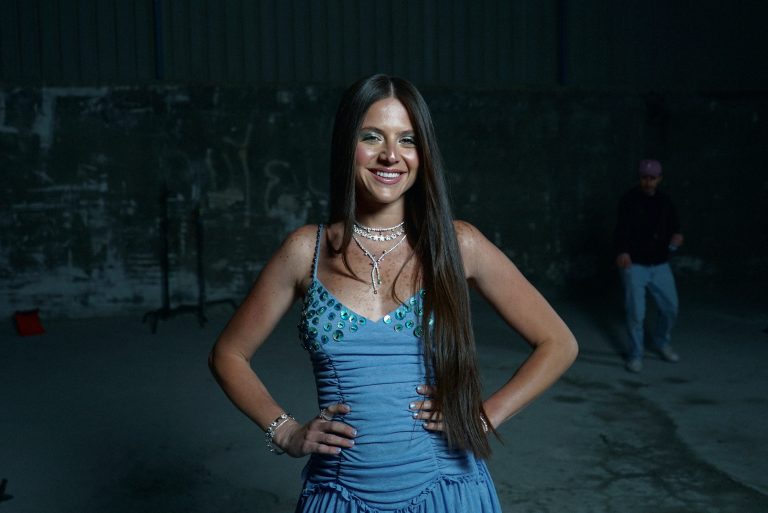
Drifting through the city, Khaled stumbles into a vibrant underground scene: independent filmmakers roaming the streets, hip-hop artists on sidewalks, young men jamming to jazz and rock, skateboarders carving through alleys, young women rehearsing on aging rooftops, and graffiti artists working through the night. Drawn into a world he never knew existed, he begins to see Alexandria anew and slowly becomes part of this community. With limited means, he tries to help – eager to spotlight the city’s overlooked creative voices.
In search of a platform, Khaled and the artists turn to governmental funding offices, only to collide with rigid bureaucracy. As a last resort, they take their work to the streets, but even there they face resistance, clashing with conservatives who shut down their public performance, later affirmed by the police.

But, what resonates most in Microphone isn’t a certain succession of dramatic twists, since, in the first place, the film was never built like a commercial feature. As a hybrid of documentary and fiction grounded in realism, its force lies in the spaces between the lines. That’s where the film begins to construct its zeitgeist.
Broken Dreams & Alienation
In Microphone, Alexandria is a city defined by decay, yet authentic: its crumbling buildings, weathered streets and harsh winter light creating a quietly melancholic beauty. Much of this architecture was European, built by those who have long since left the city. The worn facades and neglected spaces speak of time passed and lives lived, yet Alexandria retains a charm that feels intimate and real. Even in its deterioration, the city holds a fragile elegance, where the imperfection of its streets and the fading grandeur of its European-built structures coexist with a sense of enduring character, making Alexandria itself both evocative and profoundly beautiful.
Against this backdrop of physical decay and lingering beauty, a deeper sense of alienation pervades the film. One of Microphone’s core essences is its persistent, overwhelming sense of alienation: Khaled no longer recognizes his lover or his father, or even the society around him – leaving him bewildered by how abruptly everything has shifted. The young rappers feel estranged from a mainstream that still clings to predictable love songs. The girls’ rock band struggles simply because they don’t sing in Arabic. Alexandria rapper Shahine, playing himself, feels like a stranger in his own family, still longing for a father who left for America. Hadeer (Menna Shalaby), Khaled’s former lover, feels no sense of belonging to Egypt at all; Alexandria, to her, holds nothing worth staying for.
The film carries this sense of estrangement with remarkable consistency, weaving it through every storyline until the viewer inevitably feels its weight. By the time the credits roll, the question the film asks becomes our own: do we still feel like we belong?
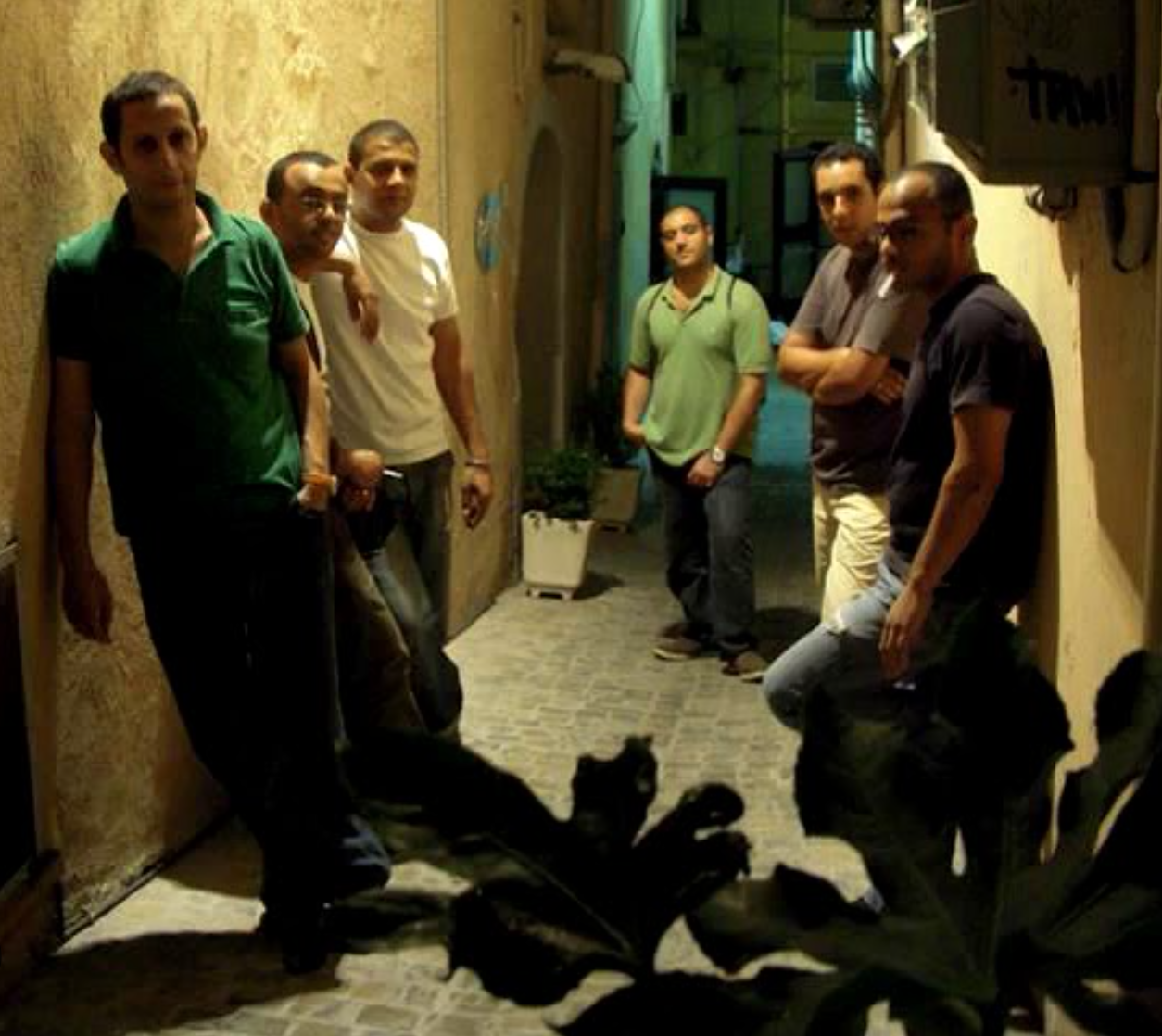
But this crisis of belonging doesn’t appear out of nowhere. It grows from accumulated disappointments, reflecting a generation whose vision no longer aligned with that of their predecessors. Their refusal to comply wasn’t the cliché “rebel without a cause”; their reasons were clear: mainstream art no longer represented their realities; the state repeatedly failed to create space for independent expression; and when opportunities did come by, they came with suffocating conditions that forced artists to compromise themselves.
Add to that a declining economic, social, and political climate, and it’s no surprise that many were left asking: What am I doing here? Is leaving the only way forward?
Microphone extends its critique inward as well: it interrogates Egypt’s geography of power. Through the debates between Magdy (Ahmed Magdy) and Salma (Yosra El Lozy), the film dissects the centrality of Cairo. Salma argues that the capital offers visibility and opportunity within the film industry; Magdy counters that filmmaking isn’t bound to geography – films can be made anywhere.
It’s Kafkaesque
To call something Kafkaesque is to evoke a world governed by absurd logic, faceless authority, and systems so irrational they feel nightmarishly real – the kind where you’re trapped in a maze whose rules shift the moment you understand them. Microphone taps into that atmosphere with unnerving precision. Beneath its calm surface lies a landscape where bureaucracy becomes a weapon, creativity is treated as a threat, and the simplest acts – painting a wall or recording a song – turn into battles against an invisible, humorless machine.
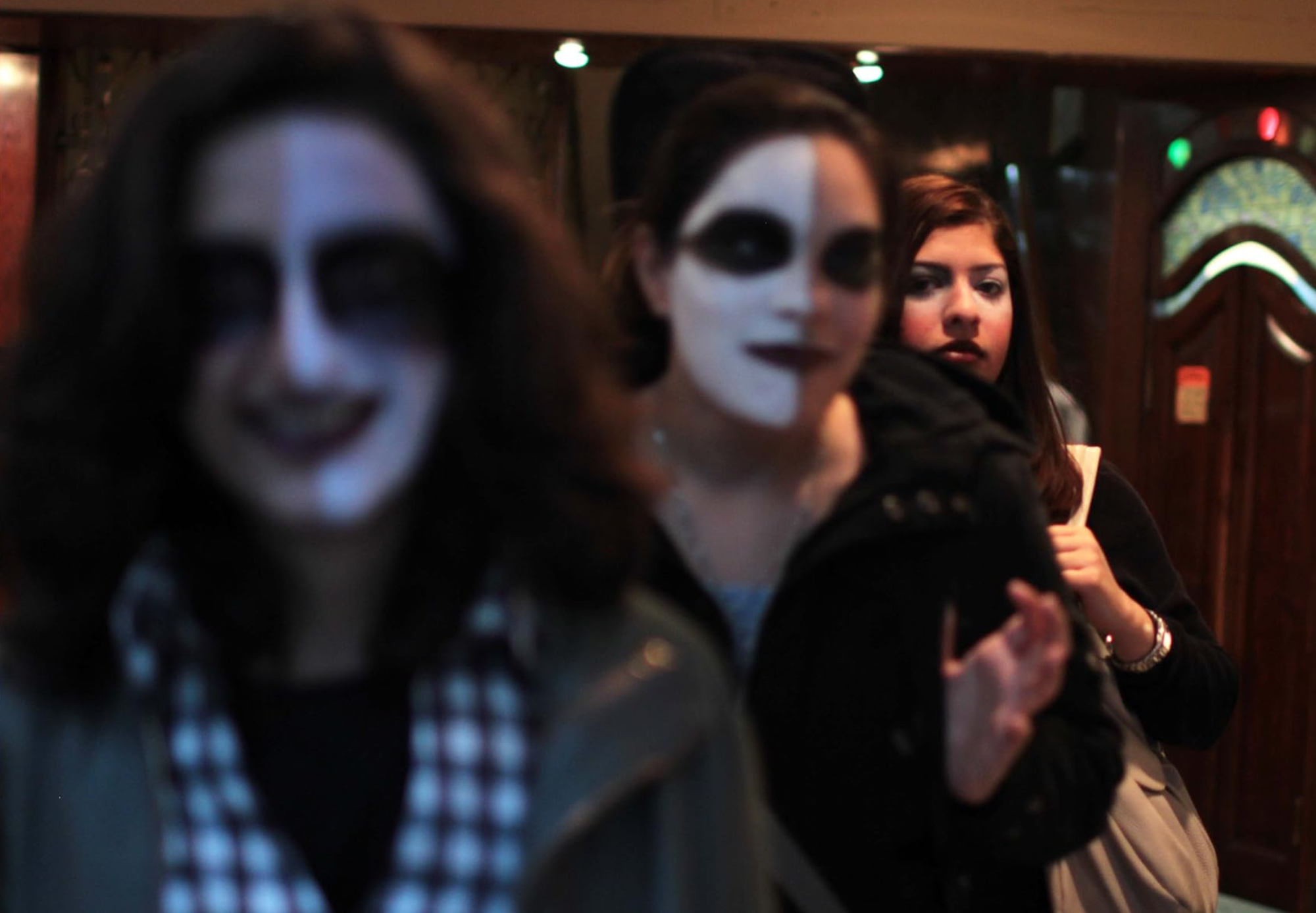
Within the film’s layers lies a portrait of the era: bureaucracy, paralysis, and a stubborn establishment resisting change. In one scene, graffiti artists are accused of causing “visual pollution.” When Khaled points to the suffocating parliament campaign banners drowning the city, he’s told, deadpan, that those don’t count: “They’re part of the election process. We’re a democracy.”
The irony is almost too sharp, and looking back, timing becomes essential. The line is spoken on the eve of the November 2010 parliamentary elections, later condemned as some of the most blatantly rigged in Egypt’s modern history.
In another scene, the artists are told that funding for an album will go to someone who sings in the style of Umm Kulthum – nostalgia weaponized to sideline the present. This suffocation extends from offices and studios to the streets, where young independent artists are prevented from gathering and performing. The establishment has many faces, and its control over who gets to speak shifts depending on its interests.
Throughout the film, the establishment denies artists the most basic creative rights: the right to choose genre, lyrics, themes, and even when they do agree to fund these young artists, it’s only for a single song. This refusal to engage, to even allow a conversation, finally pushes Khaled and the young artists to the only option left: the streets.
But the moment they do, they collide with religious conservatives who deploy the familiar “permit” argument, a way to wrap their objection in state legitimacy. This murky overlap between conservative pressure and state power builds until a passing police patrol sees the gathering, shuts it down, and silences it before it even begins.
The Turn of the Wheel
In that moment, the film poses a question rather than a solution: when every institutional door is shut, when creativity is policed, when expression is suffocated, is taking to the streets the only path left? It mirrors a national mood. After decades of stagnation, corruption, and deteriorating living conditions, millions of Egyptians were asking the same question.
Only a few months later, in a moment of almost prophetic timing, Egyptians, especially the youth, reached their breaking point. They made the same choice the artists in the film made: they took to the streets. And once again, they clashed with the authorities. What followed became the 25 January Revolution.
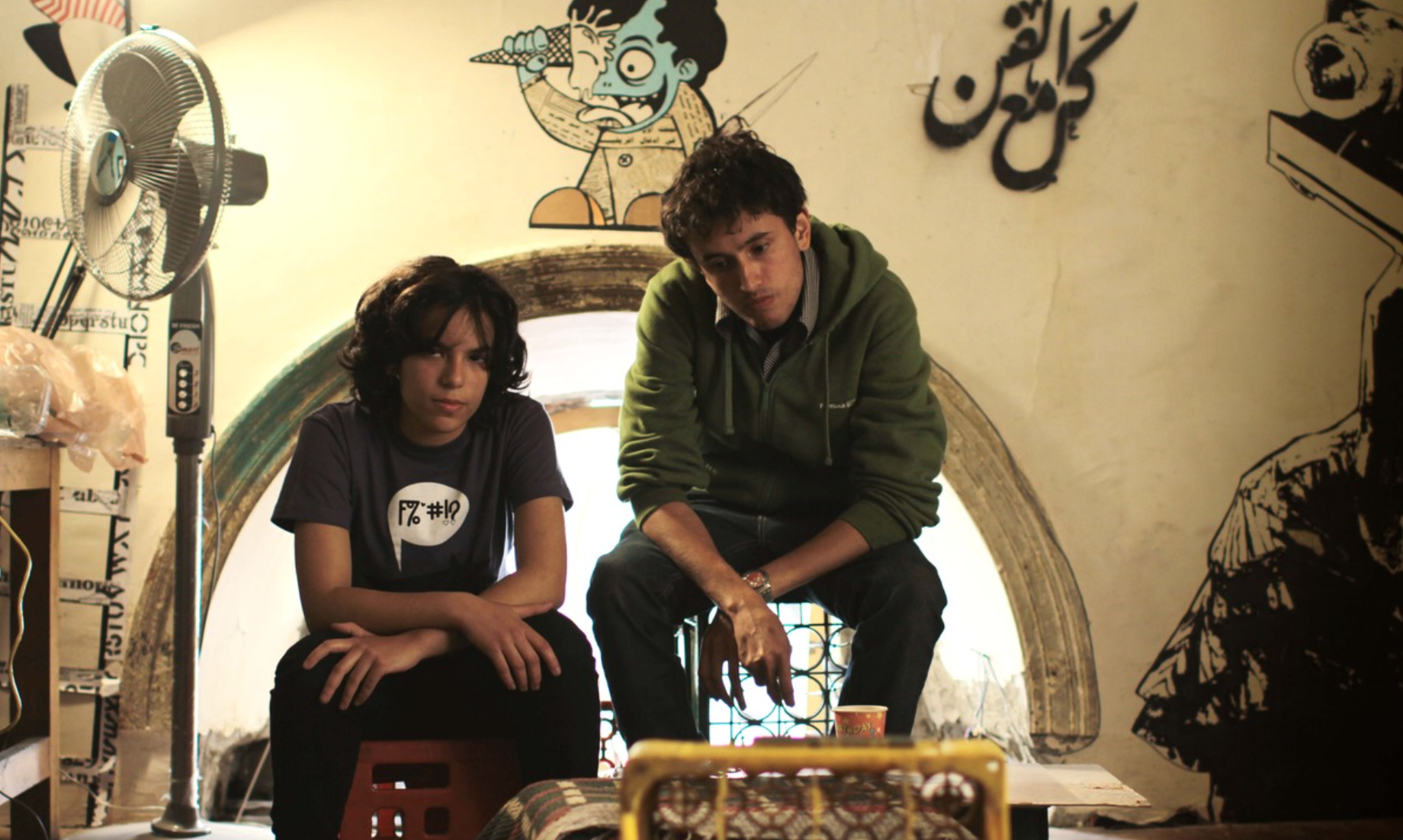
What Microphone achieved, for its time and for any time, was its bold declaration: something is happening; look at this. It spotlighted a world unfamiliar to mainstream audiences, alternative, unconventional, quietly revolutionary. The film documented the shift without dramatizing or forcing conclusions: reality was its natural sequel.
In doing so, Microphone became, quite literally, a film ahead of its time. After the revolution, and with the explosion of social media in 2011, new avenues for expression opened far beyond television and radio. The nation, shaken and newly awakened, was hungry for something different, especially in arts and music.
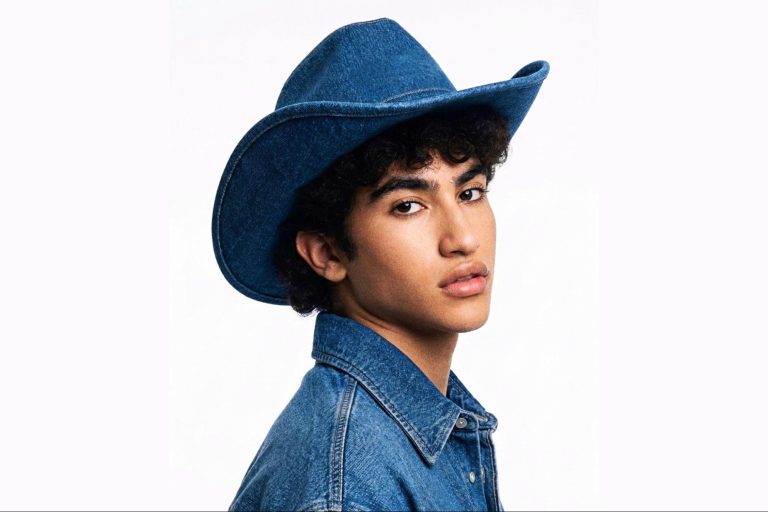
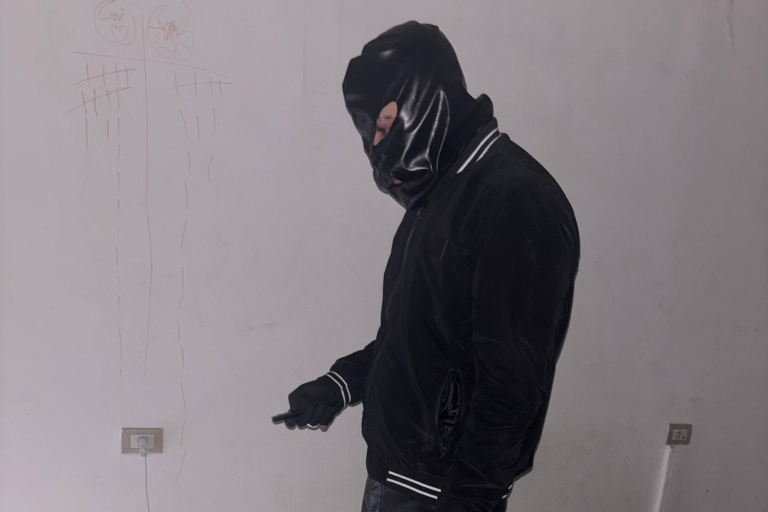
Indie and alternative rock surged across the region during the Arab Spring, with new bands emerging from Egypt, Lebanon, Jordan, and beyond. When a political alternative becomes imaginable, people begin reimagining everything else. The “why not?” spreads across every corner of life. And suddenly, everything becomes rethinkable. Even the artists that were in the film, later on, and after the revolution, started making it big: Massar Egbari, Nancy Mounir, Shahine and Aya Tarek.
The film’s prophecy ultimately came true. Who could have imagined, fifteen years ago, that these once-underground bands and artists would one day top charts and dominate spotlights? A little over a decade later, hip-hop, dismissed in the film as a “new and unwelcome” art form by the bureaucratic establishment, exploded across the region. Rappers were shattering streaming numbers, their music playing everywhere and reaching every social class.
And in a twist that borders on dark comedy, almost ten years later we watched hip-hop artists being dragged onto television and put on trial by the Musicians Syndicate for what it called “indecent content.” Everything had changed except, it seems, the establishment itself.
Recently, Microphone was selected by the Cairo International Film Festival as one of the 25 best Egyptian films of the 21st century. It was also resurrected on the big screen at one of Cairo’s major art-house theatres – Cinema Zawya, giving a wider audience the chance to revisit it today and judge it anew, to see whether we have truly moved far enough away from it.