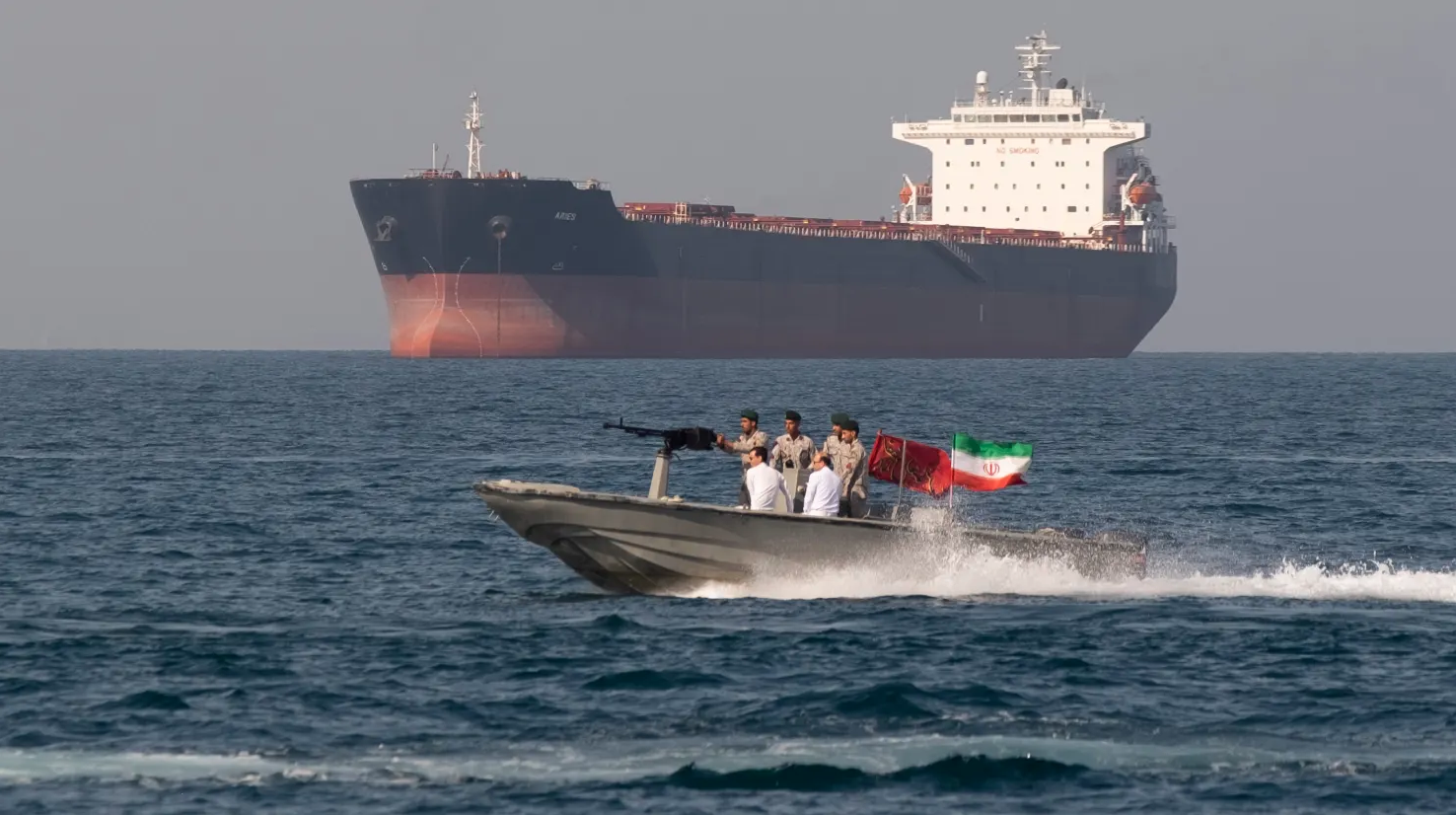
Following the ceasefire between Israel and Lebanon, Iran announced on Friday the reopening of the Strait of Hormuz to commercial shipping.
Iranian Foreign Minister Abbas Araghchi said the waterway is now “completely open for the remaining period of ceasefire,” though vessels must follow a “coordinated route” designated by Iranian authorities.
The move comes after a 10-day ceasefire agreement between Israel and Lebanon was announced on Thursday, following weeks of intensified violence in Lebanon.
Despite a previous ceasefire agreement between the US and Iran on April 7, Iranian parliamentary speaker Mohammad Bagher Ghalibaf accused Washington of violating the deal by allowing Israel to continue its campaign in Lebanon, specifically after the brutal air campaign on April 8 that left over 250 Lebanese civilians killed and entire blocks flattened.
Donald Trump welcomed Iran’s decision but said US sanctions and a naval blockade on Iranian ports will remain in place until a broader agreement is reached. He also indicated that US and Iranian negotiators could meet again this weekend in Pakistan for further talks.
Following the reopening, oil prices dropped sharply by more than 10%, falling below 90 USD per barrel. The Strait of Hormuz normally handles roughly one-fifth of global crude oil flows, making it one of the world’s most critical energy chokepoints. Its partial closure during the conflict severely disrupted global supply chains, marking one of the most significant shocks to oil markets in recent history.