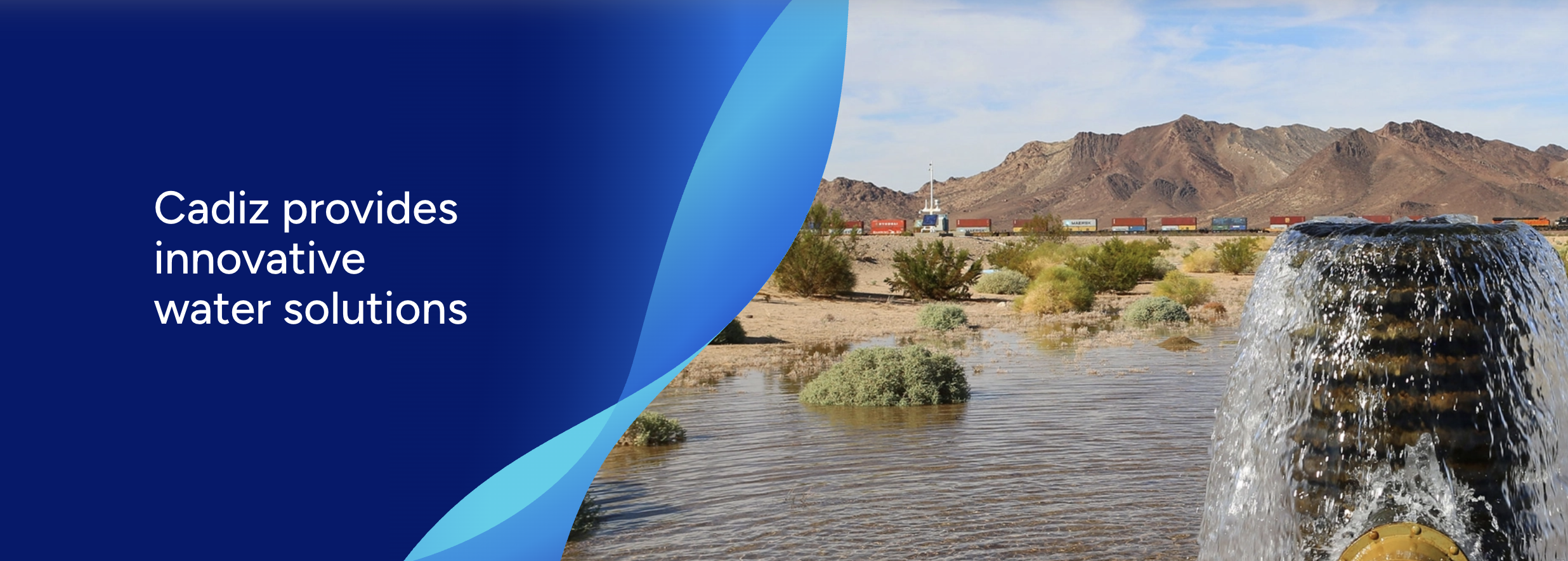
If you ask Cadiz Inc. what progress looks like, they point to pipes, permits, and people served. The company’s work to bank desert groundwater and move it where needed sits at the center of its mission. As drought cycles test long-term planning, the latest moves could affect water-security planning and operator stability.
A Mission Shaped By Scarcity
Cadiz develops supply, storage, pipeline, and treatment projects to broaden access to reliable water. The program began decades ago with a confirmed aquifer in the Mojave Desert and grew into groundwater banking and conveyance plans that align with California demand.
Today, the company frames its role as pairing storage capacity with transport so communities can draw on reserves when surface supplies dip. The value shows up when shortages hit hardest.
What Steady Performance Signals
This quarter, the company declared a Q3 2025 dividend on its 8.875% Series A Cumulative Perpetual Preferred Stock. The payout is scheduled at $550 per whole share, or $0.55 per depositary share, to holders of record on the published dates. Cadiz is listed on Nasdaq as CDZI and CDZIP, and consistent distributions may indicate management’s confidence in the plan. If you watch water infrastructure as a long game, predictable moves can help.
How Projects Work on the Ground
The storage concept is direct: capture groundwater otherwise lost to evaporation and bank it for later use. Paired with a pipeline corridor from the desert toward major conveyance, the system may give agencies options when rivers run low. Treatment technology acquired in recent years supports local filtration where needed, so water meets standards close to delivery. The approach blends logistics with compliance, which could speed practical outcomes.
Why California Is the Test Bed
The state cycles between flood and drought, so banking during wet years has clear appeal. Aquifer storage and recovery can complement surface reservoirs and spread risk across sources. For growers, small cities, and tribes, diversified access may stabilize planning and budgets over time. The broader payoff is resilience. That translates to fewer emergency transfers, more predictable deliveries, and projects that can be expanded as funding and policy align.
What Investors Tend to Weigh
Infrastructure narratives are only as strong as the execution. Cadiz focuses on permits, partnerships, and converting existing corridors to water transport that reduces new disturbance. Preferred dividends add a layer of predictability for some holders, though all securities carry risk, and market conditions can shift results. Still, combining steady operations with tangible assets could make the story easier for cautious observers to approve.
The Road Ahead, in Practical Terms
Work continues on storage operations, pipeline readiness, and deployments of filtration units that bring treatment closer to taps. The company’s stance is pragmatic, with sights set on adding capacity where it can be used, documenting impacts, and building projects that fit into regional plans.
How Communities Might Plug In
For public agencies and operators, utility is measured in options. A banked reserve and a permitted route to systems may give small districts backup during repairs, heat strikes, or wildfire impacts. If you manage facilities, portable treatment units can be staged close to the point of use, so maintenance windows shrink and compliance is documented. The mix is modular by design, which could make it easier to fund in phases while long projects move through planning.