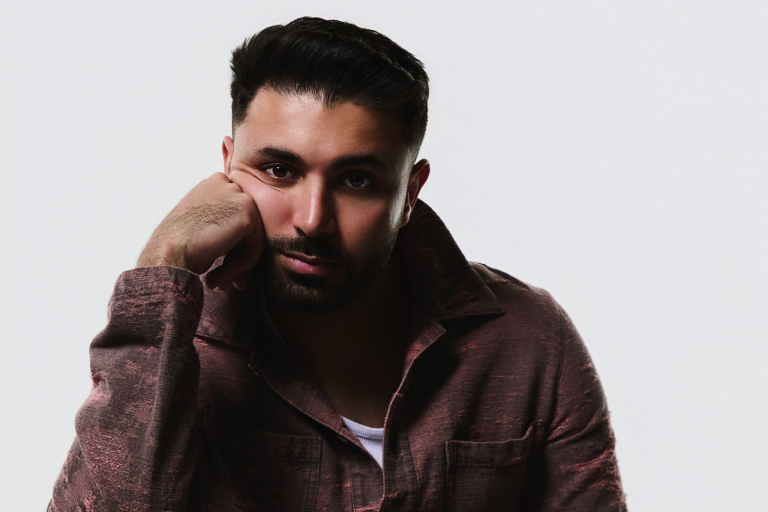
“I’m a micromanager.”
Zeyne, in response to what she has learned most about herself in the process of creating her upcoming debut album Awda, shares this half-jokingly with a chuckle.
“At the end of the day, I’m doing and saying things for a reason,” she explains further. “It’s because I know exactly how I want something to sound or something to look or something to fit. If the artist’s heart is not in it, then people are not going to believe that it is authentic. You, as the artist, need to be involved in everything.”
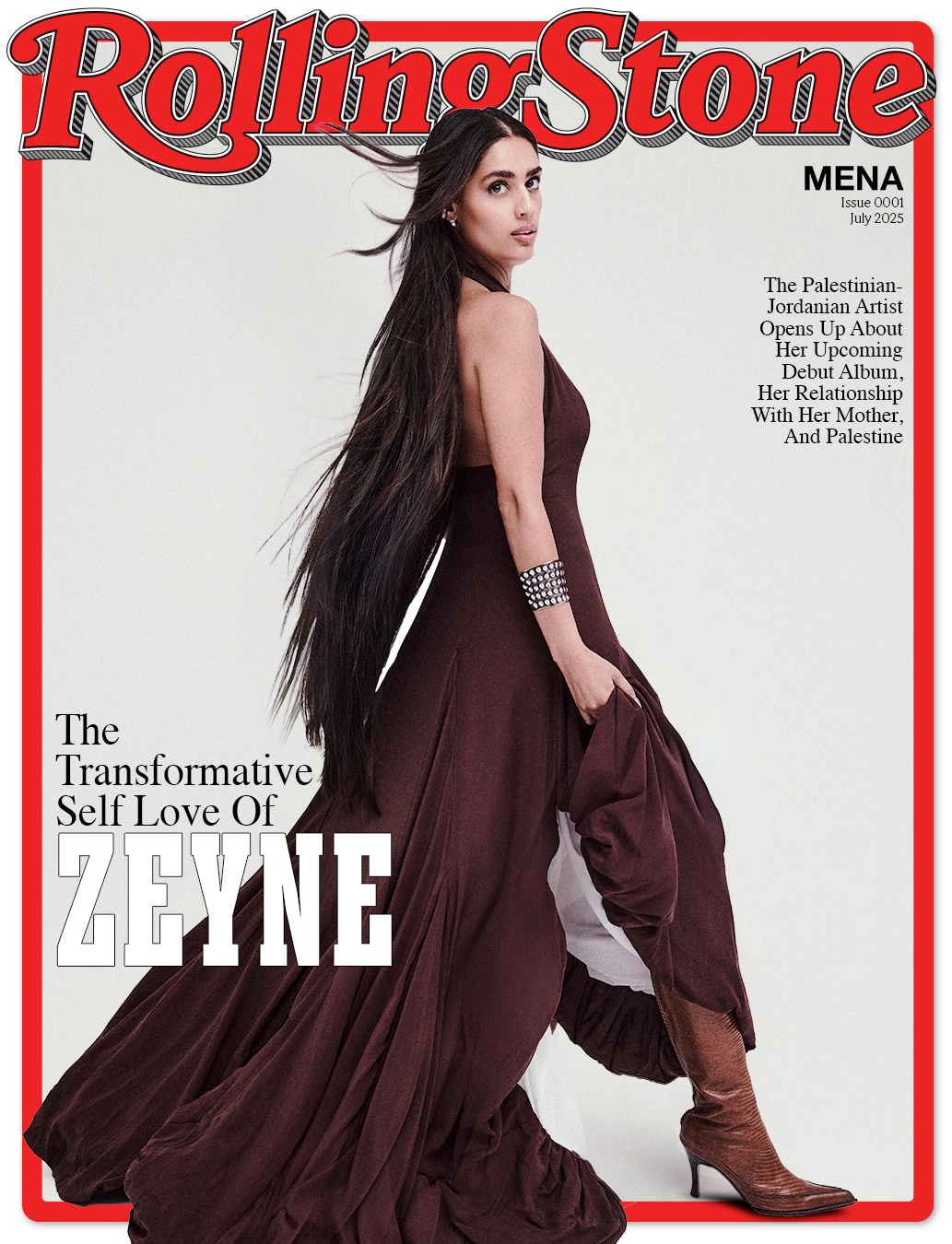
She pauses for a moment, contemplating introspectively on her thoughts.
“What’s your ‘why?’ Why did you choose to create music? If you can’t answer that question, then your heart’s not in the right place. This process helped me find my ‘why’.”
To understand the complexity of Zeyne’s humanity and artistry is to fully embrace the path she has taken to find her purpose.
The tao of Zeyne, her very ethos that encompasses every facet of the 27-year-old artist, is one forged through vulnerability and unabashed authenticity.
These elements carry significant weight in her music, particularly in the immersive sonic vision put forth by Zeyne in Awda.
As a public figure, Zeyne has long presented herself in this holistic identity both as a fierce figure looking to disrupt the status quo of Arab pop music and as an emotionally vulnerable person navigating overwhelming trauma and personal adversity.
Particularly over the last two years, over the course of writing and recording Awda (Arabic for “return”), Zeyne herself has been forced to understand what it means to be a Palestinian woman making music as Palestinians face systemic extinction.
On top of that, Zeyne personally has had to contend with the news of her mother facing a life-threatening diagnosis, romantic heartbreak, and the anguish of being detained in the United States on her way to perform at a concert in Seattle last July—alongside Macklemore, no less.
These critical life experiences not only informed the approach to her debut album, but completely revamped the manner in which the artist oscillates between conveying that fierceness and that deeply personal part of her life to fans and observers alike.
“I know artists say this all the time, but therapy changed my life,” Zeyne candidly expresses on the call. “It gave me the space to access my full range—anger, guilt, joy, hope. And that’s all in the album now. You can hear it.”
That access has led Zeyne to this moment, fully embracing the thematic concept of Awda to reflect her reality.
During a listening session for the album, one of the few times Zeyne has even shared this new music with anyone outside of her inner circle, a host of people from her team join in excitement and anticipation of what they believe will be a timeless classic.
Tarek El Mendelek, a project manager with MDLBEAST Records, jovially bursts onto the Google Meet hyping up what’s to come in the listening session. MDLBEAST Records, the Saudi-based label, has played a significant role in the album’s development, providing support critical to executing Zeyne’s vision through their label ecosystem.
The full team from Scarab Records, the feisty independent label based in Amman to whom Zeyne is signed, also joins, including Jouman Barakat and the label’s co-founders Farah Hourani and Nasir Al Bashir, who also serves as the main producer for Zeyne.
And Zeyne is here, sitting next to AlBashir, wearing all black sweats sitting on a red leather couch in a recording studio in Amman, appearing both nervous and excited to share Awda outside of her inner circle for the first time.
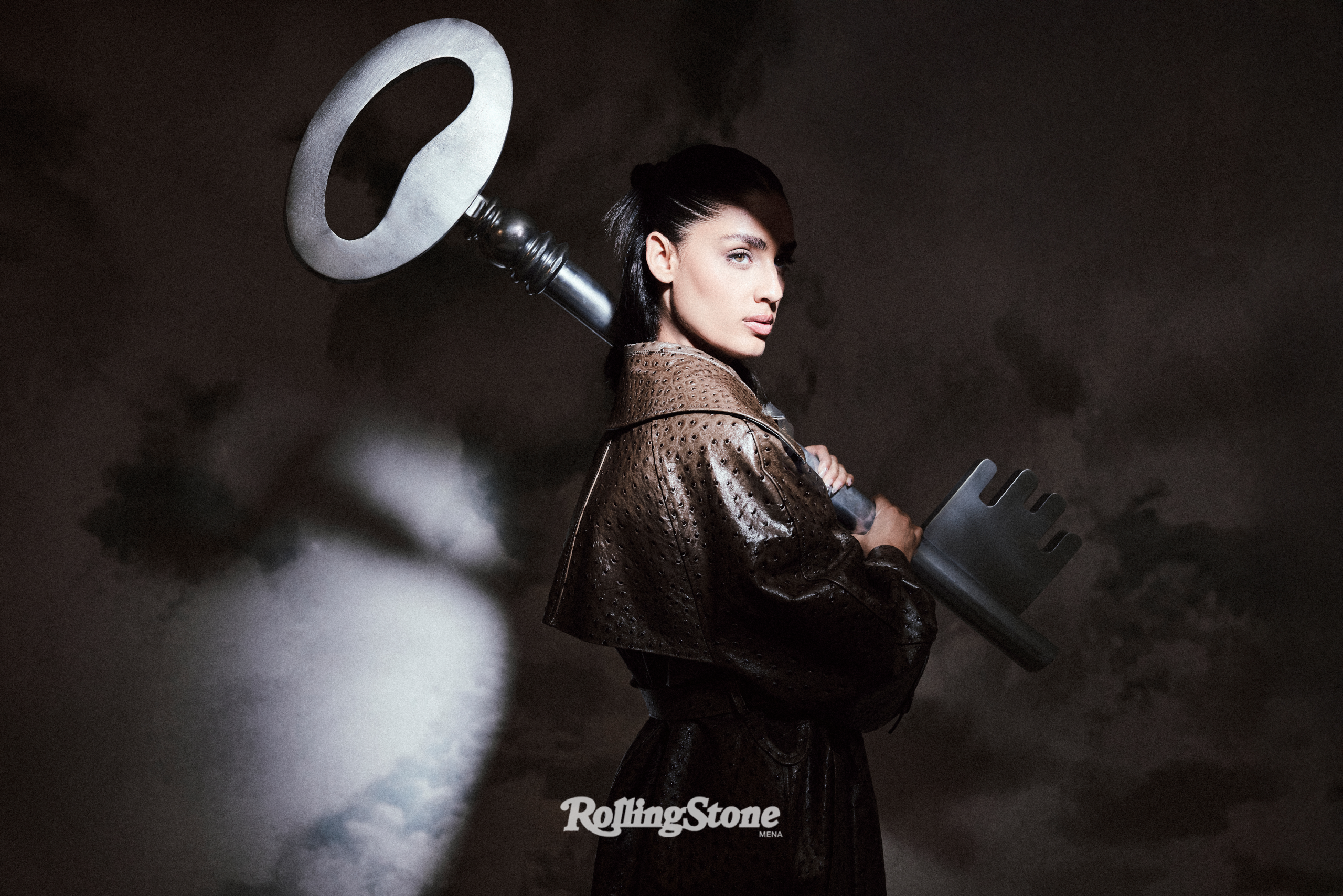
Admittedly, knowing all that Zeyne endured to create this album, I also feel both nervous and excited to listen attentively to how the artist ultimately decided to create art from her trauma.
At the outset of the listening session, Zeyne makes it clear that each song in the album includes transitions to the next song, meaning there are no skips and is meant to be played in order.
In fact, the album as a whole is a loop, emphasizing the thematic “return” and the ever-present throughline of the emotional circle, complete with all of its highs and lows.
As we navigate between songs on Awda, there is a sense of palpable eagerness from the team throughout the listening session, underpinning the career milestone—and potentially groundbreaking output—this album represents.
Throughout the listening session, Zeyne expresses the range of emotions Awda seeks to elicit from its listeners, apparent in her visual expressions and body language.
The artist feels much more at ease with revealing her debut album in full.
By the end of the listening session, Zeyne, emoting a facial expression that suggests she is fully embracing the gravity of what may come next for her career, appears ready to get back to work. It’s as if she was preparing for Game 7 of the NBA Finals, embodying a Kobe Bryant-esque “Mamba mentality” demeanor.
Awda itself is nothing short of a masterful stroke of storytelling, an artform often lost in an era that favors formulaic music for instant gratification over the long, thoughtful concept album that builds on a foundation rooted in patience.
Even as listeners, we have taken albums for granted because of our mode of music consumption. The notion of an “album” itself is completely different from what I understood it to be as a child of the 90s.
Now, an album can often serve a playlist filled with algorithm-ready songs that have short intros and catchy melodies.
“I COULDN’T CARE LESS WHAT’S TRENDING.”
Zeyne has cut her teeth in an emerging wave of Arabic music and Arab artists that seemingly rewards global musical trends, catchy hooks and generic Afropop type beats that garner immediate success at the expense of cultural longevity and artistic authenticity.
The 27-year-old artist has quickly become one of the faces of this emerging scene by merging her Palestinian identity with R&B of the 2000s that she grew up listening to, and has done so in a way that seemingly pierces through the confines of the almighty algorithm put in place to predetermine the success of a given song or artist.
“Zeyne to me is one of the unique voices of this generation of artists,” says Bayou, an Egyptian R&B artist and the lone vocal collaborator on Awda. “She blends her Palestinian and Shami roots with contemporary sounds effortlessly. She’s always got something to say in her music.”
Her music acts as a rebellion against the norm, rooted in a belief in her approach and in her strong sense of self, vulnerabilities and all.
With Awda, it’s as if Zeyne herself is challenging the notion of music as “content.”
“I couldn’t care less about what’s trending,” Zeyne tells me bluntly over FaceTime the next night about her approach to creating Awda. “To me, this feels like the right move. I know I’m putting out the best thing I’ve made so far, and I’m proud of it. It tells my story at the right time, in the right way, with the right people.”
For Zeyne, her young musical career has prepared her for this moment to tell her story in a full body of work.
“When I started, I had no label, no manager, no team. Just me, walking into the studio every day like a sponge,” Zeyne recalls. She met Al Bashir through a mutual friend. “Three months after meeting him, I told my parents I was doing music full time.”
The singer began posting covers on social media in 2020 during the height of the COVID pandemic, leading to the release of her first studio single “Minni Ana”, a bouncy Daniel Caesar-inspired R&B slow jam.
Just a few months after, Zeyne released her second single “Nostalgia”, living up to its name with an infectious 90s rhythm akin to Brandy at her peak.
The song garnered swift and widespread attention in the Arabic music scene, unlocking a new level of fame for the artist as one of the up-and-coming faces in Arabic music to watch.

In the time since her first single, Zeyne—who came up completely as an independent —has gone on to perform at major festivals across the Middle East and Europe, including the heavily-coveted Soundstorm stage, Saudi Arabia’s premiere music festival that takes place in December.
Her song “Balak”, the 2022 collaboration with Palestinian-Algerian juggernaut Saint Levant, cemented Zeyne’s place in the region’s music scene.
And in February 2024, Zeyne graced the COLORS Studios stage, at the time debuting her tenth single “Ma Bansak”.
“Zeyne’s music holds an incredible depth and openness all at once. She blends R&B, soul, and contemporary Arab influences with an emotional honesty that commands your attention,” says Mark Abou Jaoude, head of music at Spotify for the Middle East, North Africa, and Pakistan. “Whether she’s singing in Arabic or English, there’s a vulnerability in her storytelling that feels both familiar and refreshing.”
Zeyne is quick to emphasize how much those early years of her career were about discovering her own sound and experimenting with a variety of genres.
“I tried Arabic R&B, Arabic Afropop, funk, and piano ballads. We’d finish a track, Nasir would send it to me on WhatsApp, and I’d listen to it on the way home. If I listen to it more than two times in the car, I’m obsessed with it. And if I listen to it at home three, four times and I can’t stop listening, I’m like, oh, my God, we made something really good today, and it made me feel something.”
“IF I LISTEN TO IT MORE THAN TWO TIMES IN THE CAR, I’M OBSESSED WITH IT.”
WHEN COLORS STUDIO FIRST called Zeyne to discuss the possibility of performing, it was in December 2023, just two months after the Israeli invasion of Gaza and the devastation that has since ensued.
Like many Palestinians and Arabs, Zeyne was all too consumed with the news, scrolling for the latest developments, getting in touch with loved ones to find ways to be supportive and helpful.
The artist has used and still actively uses her platform to speak freely about what is happening to her homeland and her people.
Zeyne herself fully sees her ability to speak about Palestine as a duty higher than her music career.
Like many Arab artists after October 7th, Zeyne paused from releasing any new music—aside from the pan-Arab anthem “Rajieen” that featured artists from across the Middle East and North Africa singing in support of Palestinians.
Even if she wanted to, Zeyne did not have it in her to even attempt to write new music.
“For a good six months, I couldn’t write anything,” Zeyne shares with a sense of emptiness and grief. “I felt like my own feelings aren’t valid because of what we were seeing on TV, what we were seeing on our screens, on the phone. It didn’t feel right, morally, ethically, personally, physically, spiritually, emotionally—it didn’t feel right to release music. Sometimes I would cry, sometimes I wouldn’t cry because I’m just literally so numb. I literally felt nothing.”
To date, over 50,000 Palestinians have been killed since October 7th, 2023, according to Palestinian health authorities.
Zeyne would release her first song “Bali” in June 2024, a melancholic and brooding song that sees the artist mourning, using love as a metaphor for Palestine.
It’s the manner in which Zeyne processes the barrage of news and emotions swelling inside her within the confines of her artistry, channeling her voice in a way that plays a role in the larger activism for Palestine.
As all of this was happening, Zeyne had been dealing with the emotional end to a romantic relationship while processing the news of her mother’s illness.
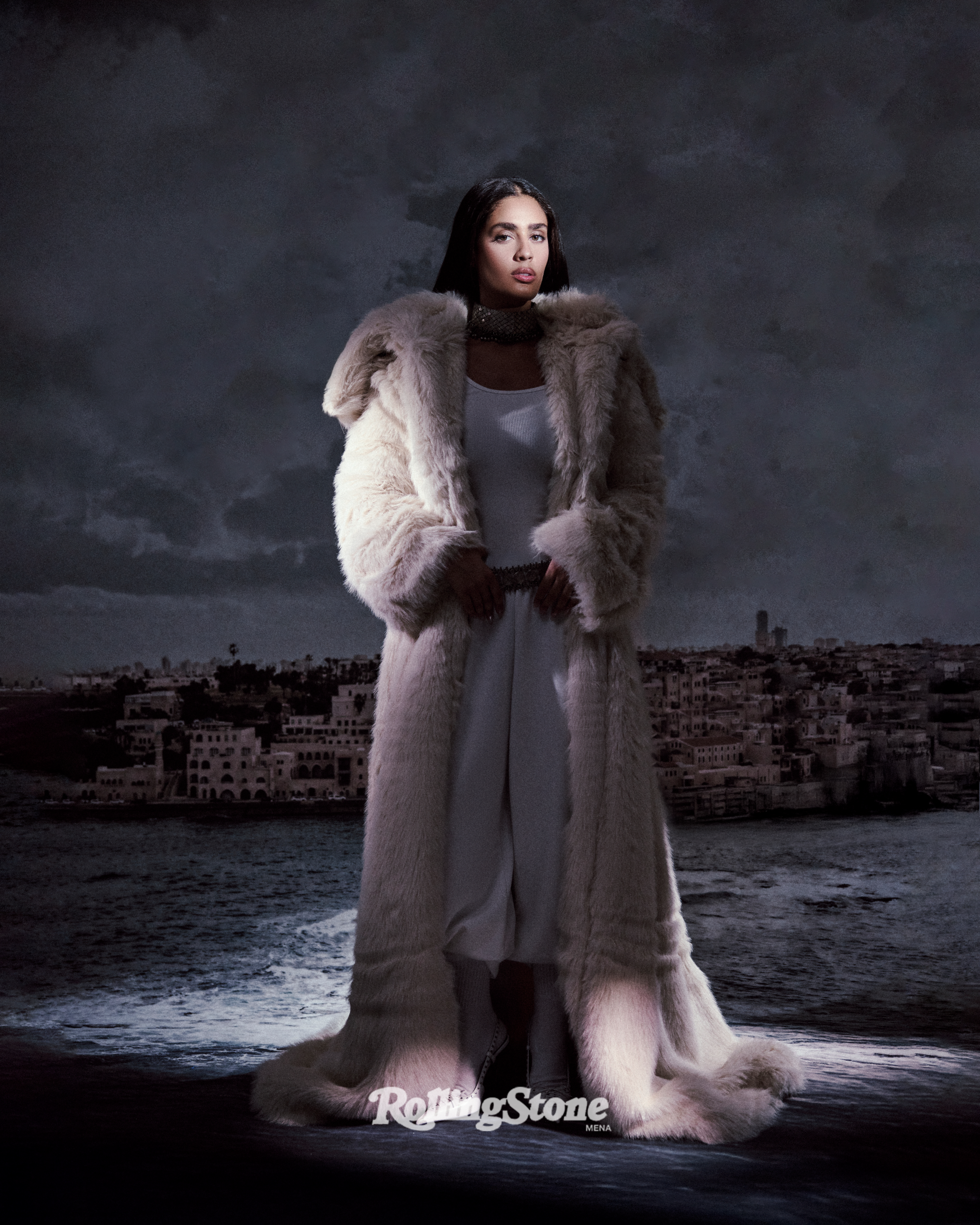
Zeyne was told about the diagnosis by her mother herself. She was the last to find out because of her propensity for reacting emotionally—her mother made sure to have her family surround Zeyne as she found out.
Zeyne pauses as she recalls the moment her mother revealed her diagnosis, fighting back tears.
“It was an executive decision to literally be emotionless in front of her,” she shares, her voice cracking ever so slightly.
For Zeyne, it was the process of caring for her mother while wrestling with the emotions that come with such news. She describes her reaction to the news as numb, stoic, completely stunned and unable to find the suitable words to formulate a response.
It led to Zeyne writing “OCD”, an ethereal and dreamy song on Awda confronting her mental unraveling.
“It was me and my thoughts, in a loop,” Zeyne says. “That’s why the first half feels like you’re floating—dreamy and repetitive—and then it crashes. That’s what it felt like the first few weeks after I found out about my mother.”
If “OCD” centers Zeyne’s mental spiral and processing her feelings, her song “Yamma” shifts the focus to her mother directly.
The song, Zeyne shares, was one of the most difficult to write and record for the album.
Its intimate lyrics, sung over acoustic production, are derived from a prayer the artist would say each night for her mother before going to sleep, at times crying to herself.
“Oh Lord above, please keep my mother safe. So she can see what I see. She’s the light in my life, and there’s still so much I haven’t said. I want her to know just how much she means to me,” Zeyne sings on the track.
“Yamma” is Zeyne’s lullaby of reversal—mothering her own mother, concealing grief to protect her.
It’s another loop, akin to “OCD”, a circle of life where all of us will ultimately become caregivers to the ones who cared for us.
The first time she sang “Yamma” in front of her family at the album listening session in Amman, every single person cried.
“My siblings were crying, my dad was filming and crying. My mom told me later that it brought back everything from last year, all at once. But it was healing, too.”
Zeyne’s relationship with her mother forms a quiet backbone to the album. It shows up not just in “Yamma,” but in her dedication to Arab femininity, intergenerational love, and emotional resilience throughout Awda.
“My mom inspired most of this album,” she says. “She put me in a dabke group when I was five. She still manages it to this day.”
Her mother, who remains active in the cultural arts community in Amman, also taught Zeyne and her siblings the value of performance as storytelling.
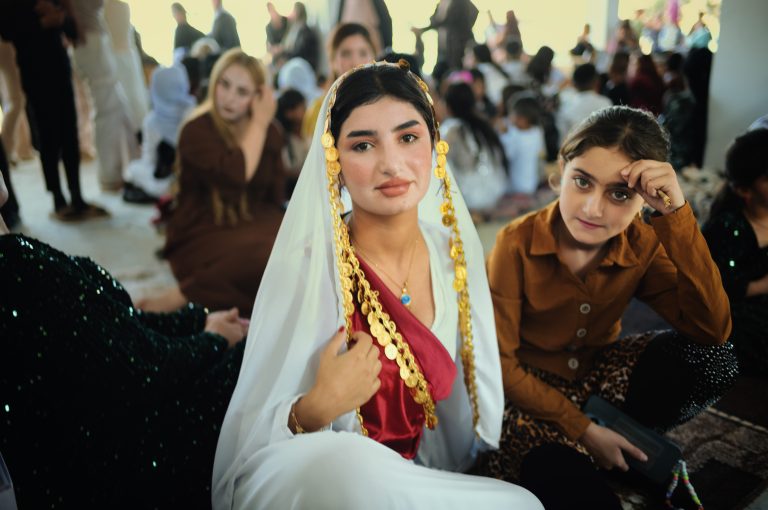
That lesson became visibly apparent in the breathtaking song and video for “Asli Ana”, a powerful reimagination of Palestinian dabke music reclaiming Palestinian identity unapologetically.
It serves as the opening song to Awda, a “mission statement” setting the tone for the rest of the album.
“YOU CAN’T PORTRAY A RICH CULTURE IN A SHALLOW WAY.”
The music video, directed by Farid Malki, boldly centers traditional elements of Palestinian culture from fashion to choreography, loudly proclaiming resistance and excellence through visual art.
The video gained widespread praise and acclaim from viewers across the Middle East and North Africa and even Latin America, setting forth a path for how artists can and should approach filming videos for their songs.
“You can’t just write a song about Palestine, throw a tabla on it, and call it a day,” Zeyne adamantly says. “You can’t portray a rich culture in a shallow way. It’s unfair to us and to the world.”
WHEN WE INITIALLY started our conversation, Zeyne ran through a laundry list of concerts and photoshoots and planning that needed to take place right up until the release of her album later this August.
All of this, after performing at Abu Dhabi’s Off Limits Festival and opening for Ed Sheeran for two sold-out arena shows in Qatar and Bahrain.
“I’m so tired,” she admits with a chuckle.
We scheduled this interview at a time when Zeyne could get away with her siblings and fully sit down with her thoughts.
It was the first time the artist could truly process on her own what has happened over the last two years, a renewed sense of normalcy.
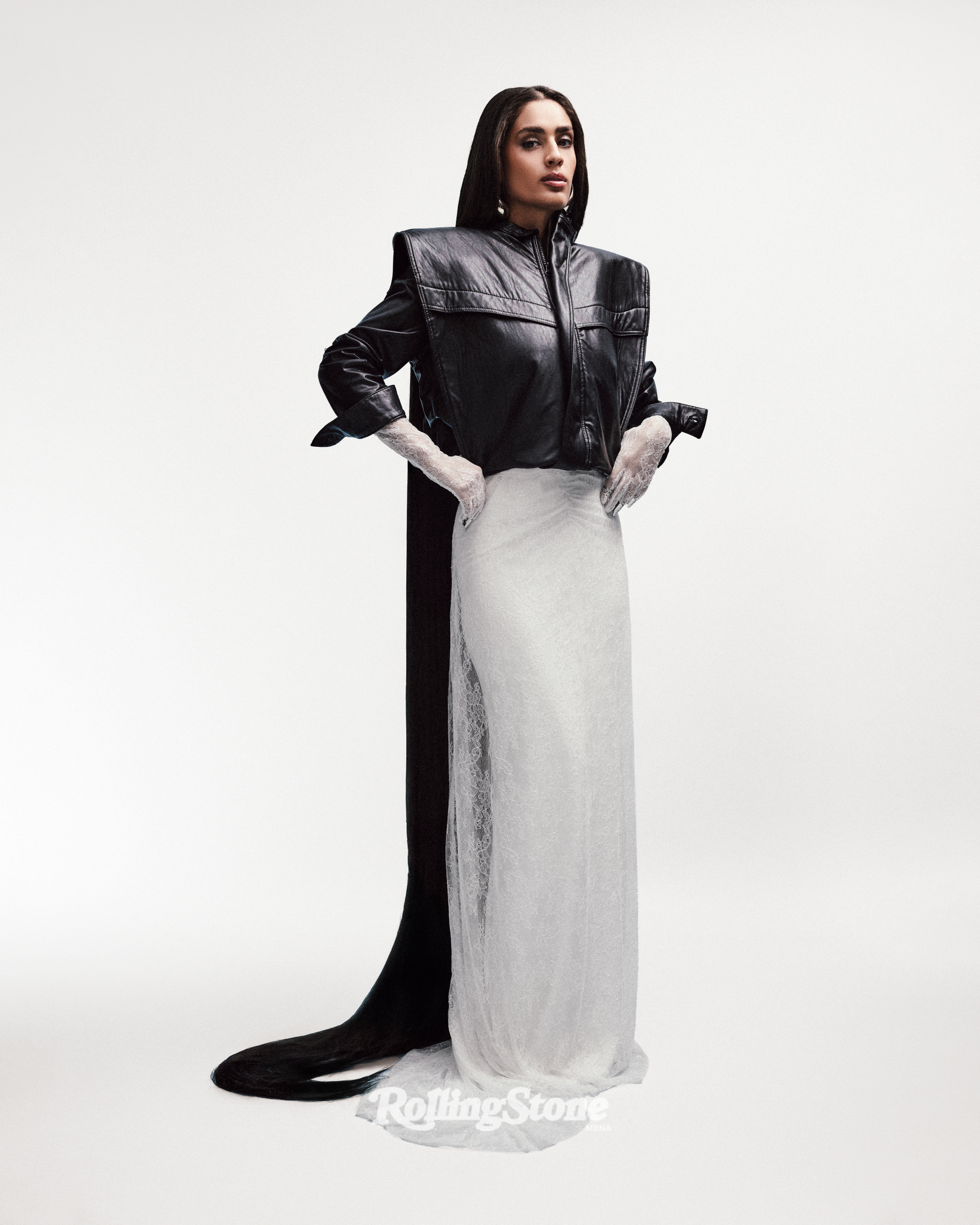
That normalcy in her life, Zeyne says, helps ground her, particularly as she’s felt “numb” and “frozen” for such a long time.
Therapy, she explains, remained critical in maintaining her sanity during this time.
“What I went through the last two years were not ordinary circumstances. It was very heavy,” the artist shares. “It felt like my reality shifted and I had to adapt with no warnings. Going to therapy helped me just accept my emotions, accept the state I’m in. And the minute I did that, I regained my ability to feel again.”
Awda quickly entraps its listeners in the loop that defined Zeyne’s world for the last two years. The deeply personal, sonically adventurous album leans into exploring platonic and romantic love, and the chaoses of belief in oneself and one’s community.
The album leans into the assurance that comes with community, starting strong with immensely proud songs honoring Palestinian identity and the beauty of womanhood in the song “Hilwa”, an upbeat and celebratory pop track.
Zeyne explores transitioning from a community of many to a constituency of one, employing romance as a tool of self-discovery until that romance undermines the very self-love that Zeyne held so close to her heart, the fuel driving her radical self-confidence.
It leads to Zeyne seeking that community again, that pride in her own identity and her own existence.
The album’s crescendo finds the artist reaching for her family, speaking to a sense of urgency in escaping this sense of existentialism through the community that has nurtured and cared for her.
Awda ends how it began, with Zeyne rooted again in that self-love and in that communal space, coming on the other side of what it may feel like to be consumed by self-doubt and reclaiming her own agency.
It’s a reason why the artist insists listeners to take in the album in order and to release themselves to this emotional loop.
“It’s a circle,” Zeyne emphasizes. “You start with community, you lose yourself in love, you collapse in pain, and then you come back to yourself. You come back home.”
The production, helmed by Al Bashir with assists from regional savants Ratchopper, Khalil Rashidi, and Sofian Grillo, ventures into cultural immersions between traditional Arab instrumentation along with dream pop, R&B, and even elements of dancehall incorporated in the song “Jdeed”.
“Arabic music has always been emotional, but people don’t always give it credit for innovation,” she adds. “I want Awda to be a bridge—to show that we can honor our traditions while still pushing forward.”
Zeyne, of course, credits the unconditional support of her family for getting the artist through the process of creating Awda.
But she also is quick to shout out her fellow artist Bayou, the Egyptian R&B artist and lone vocal feature on the album, for pushing her to continue writing and to continue recording early on at a time when Zeyne could only doomscroll for news and updates about Gaza.
“I know Zeyne well and I’ve seen her grow so much as a person and artist throughout the making of this album,” Bayou shares. “It’s a sonic movie that’s going to touch a lot of people’s hearts.”
And while the album surely serves as a stamp on her burgeoning career, it’s her ability to use her ever-growing platform both as a rising star and in her own personal capacity to speak out for her community and for her loved ones.
“I only hope people see Awda in that way,” Zeyne shares when asked whether listeners will hear the message that Awda seeks to convey. “And if they don’t, at least I know for myself how much the process healed me as a person and, to a certain extent, healed the people around me. That’s what matters.”
__________________________________________________________________
PRODUCTION CREDITS: Editor-In-Chief Danny Hajjar. Photos Lara Zankoul. Cover Design Lillo Bergh. Creative Direction (Zeyne’s Team) Farah Hourani & Saif Hidayah. Art Direction Farah Hourani. Styling Saif Hidayah. Styling Assistant Nadine Yaghnam. Fashion Yassmin Saleh, Sandra Mansour, Koko the Nail Artist, and Nafsika Skourti. Dabkeh Dancers Nazzal Studios. Looks 16 Arlington and Versace. Hair & Makeup Laura Madar. Lighting Director / BTS Video Manuel Alajajian. Gaffer Abdallah Hourani. Location Studio B. Head of Operations & Talent Jouman Barakat. Operations & Talent Coordinator Ibrahim Al-Haddad. MDLBEAST Records | Project Manager Tarek Mendelek. Produced by Scarab Records. Powered by MDLBEAST.