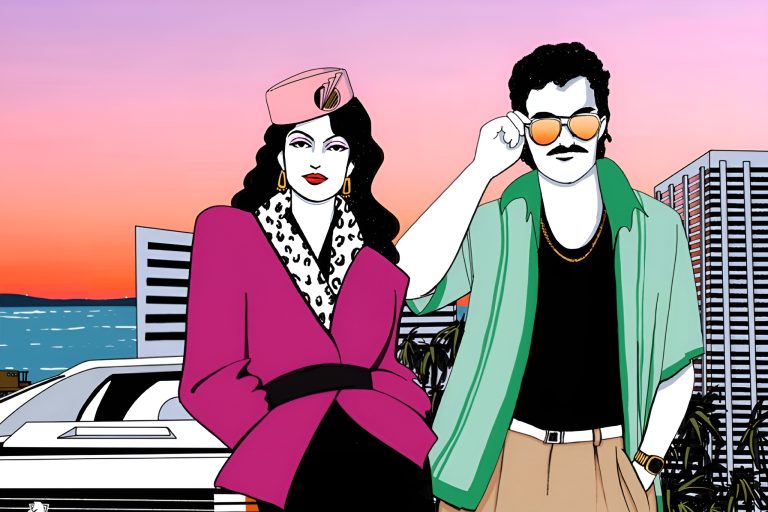
Tehrangeles Revisited
Neon Echoes in Exile: How Iran’s Diaspora Pop Thrived in Tehrangeles
Tehrangeles Vice traces how exiled Iranian musicians in 1980s LA transformed nostalgia, loss, and freedom into lasting pop culture.

Tehrangeles Vice traces how exiled Iranian musicians in 1980s LA transformed nostalgia, loss, and freedom into lasting pop culture.
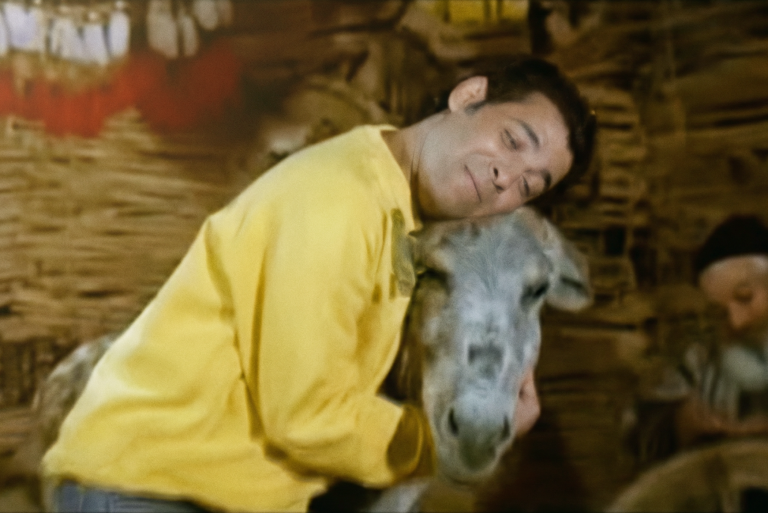
Salma Mousa takes aim at Donkey Pop, the latest trend of music meme-ification collapsing socio-cultural context into absentminded catchphrases.

As streaming becomes a catch-all for industry woes, Spotify MENAP looks for better terms with Arab artists on visibility, royalties, and AI.

How Ziad Rahbani’s Houdou Nisbi blended jazz, satire, and Lebanese reality to lay the groundwork for Arab indie and alternative music.

A self-proclaimed Pop Princess, Amira Jazeera places Palestine at the center of her life – though not necessarily her music.

On Fawzi, Shabjdeed and Al Nather’s “Youmi,” a song that turns routine into ritual, and repetition into resistance.
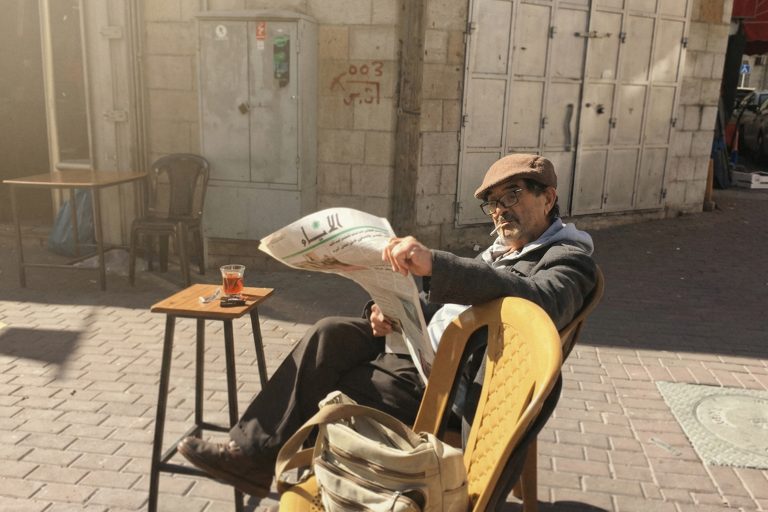
Why cultural writing lost its bite, and why criticism with teeth still matters. Introducing Rolling Stone MENA’s new column: In Bad Taste.

Maram Khenissi remembers Rim Banna on her 59th birthday and celebrates her defiant legacy of sound, resistance and memory.

Exploring Tyla’s popiano wave – the Southern African sound transforming global pop – as she makes her Bahrain live debut.

Between pop and hip-hop, Sharia loopholes and sonic innovation – meet Halal Beat, the umbrella term for a new nasheed wave.

Libyan A-pop innovator Bahjat turns recent critiques into fuel for his new banger, “Maybe I’m the Villain.”

How Rabia Al Adawiyya shaped the spiritual core of Rosalía’s ‘La Yugular,’ a track titled after a Qur’anic verse.
