
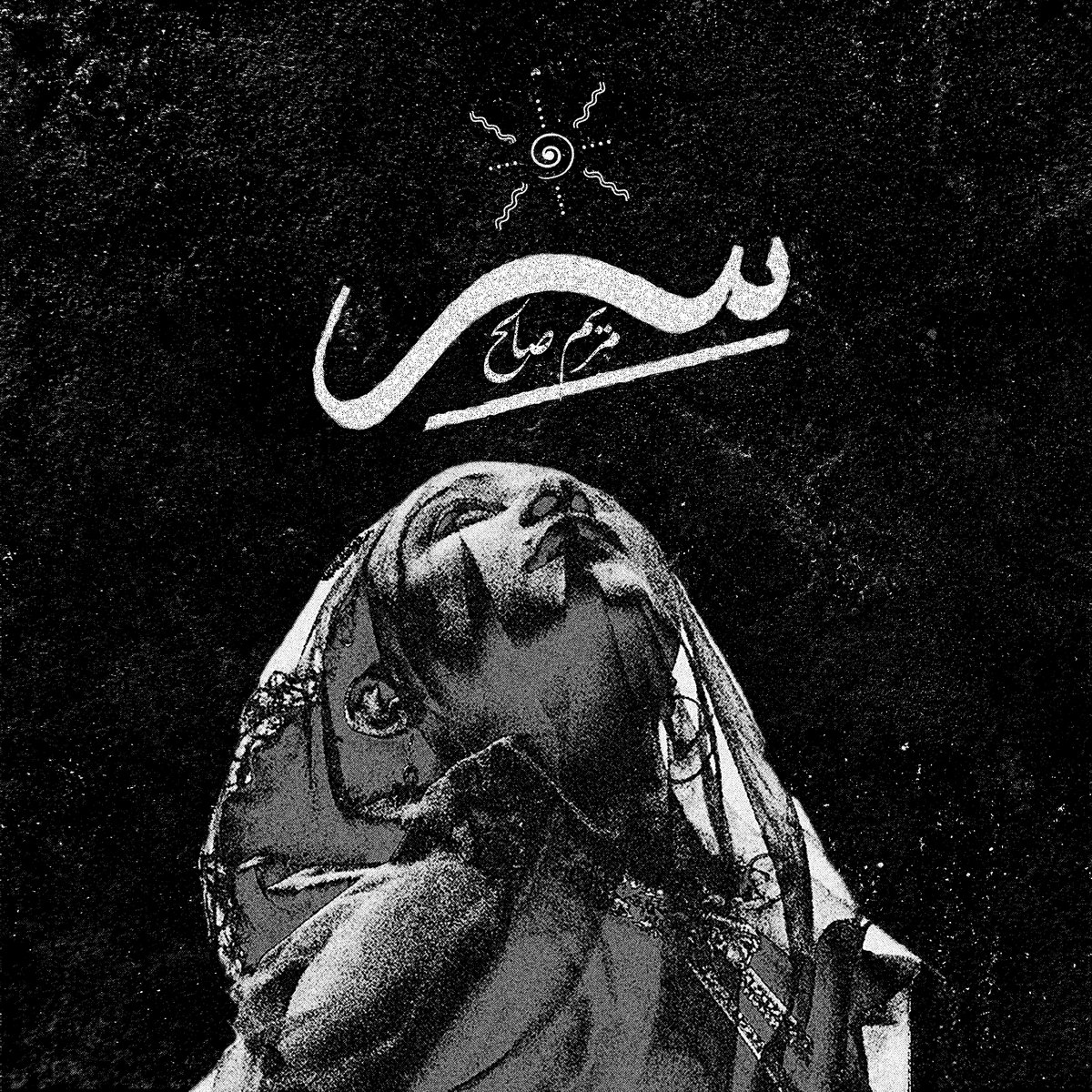

Throughout consecutive waves of modernization in the 20th and 21st centuries, Arabic music lost several of its key traditions. While the core sensibility persisted in Western formats, various Arab forms were largely abandoned, confined today to “classical” and “traditional” categories.
Since the mid-2000s, several Arab musicians began experimenting with these lost song structures, lyrical moods, and instrumentation techniques, in what became known as the revivalist wave. Names from Dina El Wedidi to Yasmine Hamdan, and from Maurice Louca to Kamilya Joubran, promised a restored continuity between a lost past and an elusive future in the years surrounding the Arab Spring.
The releases coming from this wave, more often than not, felt like intellectual exercises. Listening to them resembled visiting an exhibition – works that challenged you to rethink what you thought you knew about Arabic music, what was gained versus what was lost in cultural modernization and globalization, and what could be brought back. Yet rarely did these releases feel like music you could causally listen to while sorting through your thoughts or emotions.
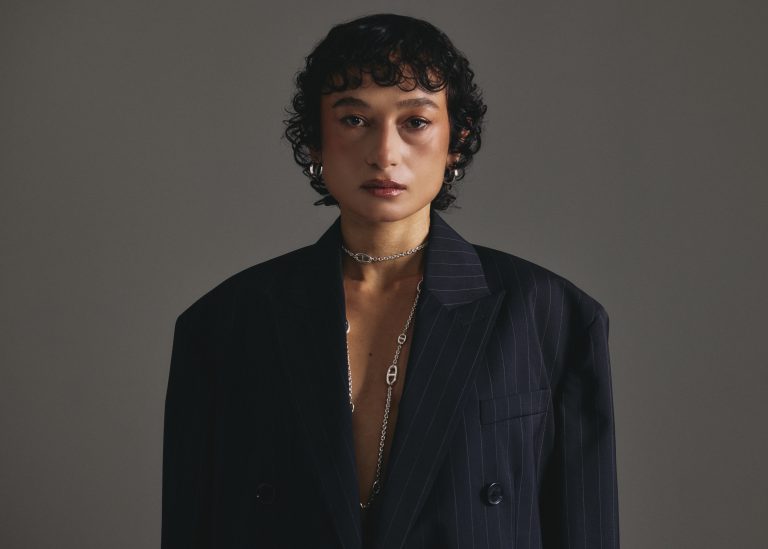
This is why Maryam Saleh’s new solo album, Syrr – her first body of work since the collective release of Lekhfa all the way back in 2017 – matters. Largely built from lost formats like the Taqtuqa, Muwashshah, Mawwal, Lullaby, and Madih, the album feels like an easy sip of water from the first listen, and continues to flow seamlessly as you dig deeper into it.
Written around a harsh period in Maryam’s personal life – marked by childbirth, post-natal depression, and divorce – the album wastes no time plunging the listener into its deeply emotional terrain. The opener, the somber “Mawdou’ Tani (Another Subject),” drenches a scarce arrangement in reverb to conjure a desolate landscape where Maryam intones, detachedly: “We’re both two light balloons / protecting ourselves from each other.” Her voice floats above a dark female choir, sliced by sporadic, sharp strings.
Co-produced by Kamilya Jubran and Maurice Louca alongside Maryam herself, the track dissolves the world around the listener and constructs a stark black backdrop against which the rest of the album unfolds.
Early single and fan-favorite “El Fetra” sees Maryam riding a drone of ambient sounds, an intoxicating curtain of acoustic-electric texture that makes the song’s weather out of late-night drizzle. For a vocally rich track like this, Maryam is at her most precise, delivering her intonation with millisecond-measured accuracy. Memories of colorful, indulgent, hyperdynamic vocals fade in the rearview mirror.
Personal favorite “Nafas (A Breath)” leads with a stressed, hesitant oud that almost retracts what it says right after saying it. Maryam’s singing is uncomfortably close, whispering secrets directly into the listener’s ear – secrets that require long and intimate friendships as a prelude. “You can see both ends, and many other things, too,” she invites, in a near-apologetic appeal.
“Wanas,” which finds comfort in a cheerful female choir, feels recorded in a traditional bathhouse from a 1001 Nights fantasy. Steamy, silk-smooth vocals lead with confidence; trembling, vivid eastern percussions follow with joy. Known for flamboyant vocalizations, Maryam is uncharacteristically measured and paced here – even the playful, sassy chorus’s invitations to indulge are left unanswered. Yet in its restraint, the song interrogates joy and pleasure not with pressure but with seduction, and gets many secrets spilled with the ease of a drunken lover.
The ambient synths of the somber “Alb (Heart)” make room for psychedelic interpretation, while the upbeat, lighthearted drums of “Khayal (Imagination)” strut like a ten-year-old holding an ice cream cone at a carnival – a subtle salute to the more colorful, joyful work that defines much of Maryam’s discography. Her voice, freed from depressive precarity for a moment, feels more familiar.
“Nedaa” opens on an atmospheric backdrop of wind sounds, with Maryam’s voice arriving gradually from afar like a wave you watch marching slowly toward the shore. Rich oud melodies and buoyant percussions flow underneath her immersed singing, a female choir once again keeping company: “A calling, to all of whom might still remember us.”
After two decades of attempts to resuscitate the body of lost Arabic music traditions, Syrr feels like the electric jolt that finally brings it back to life. Easy in every regard, the album removes the distance between modern listeners and old traditions, offering a living, breathing, feeling body of music that is native and rooted in every grand feature and fine detail.
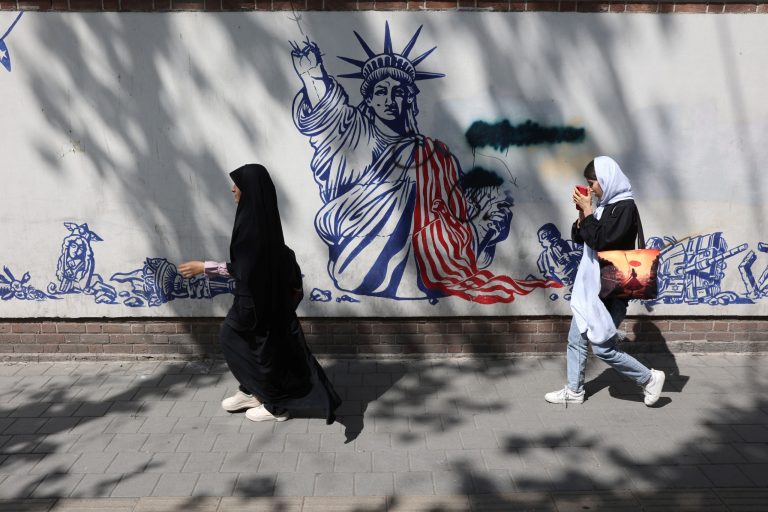
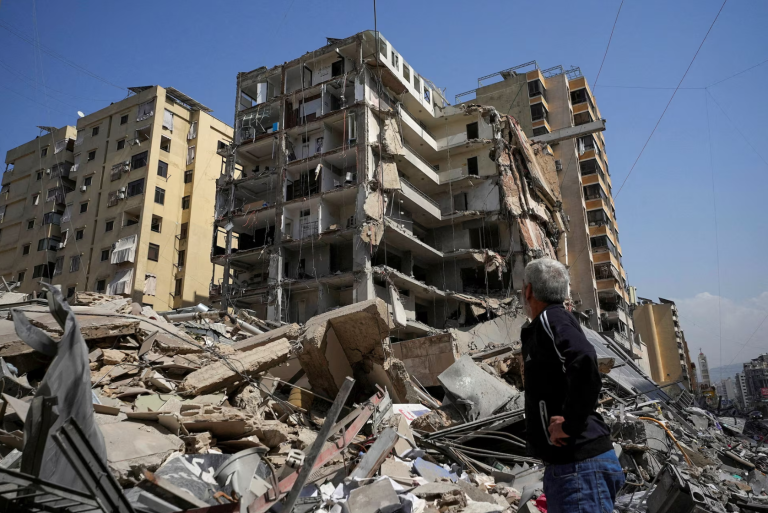
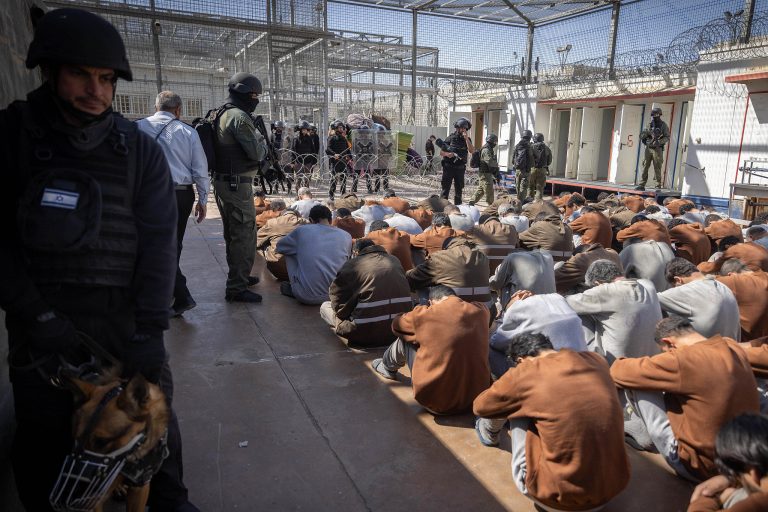







Trump’s Iran War Has Clear Winners and Losers
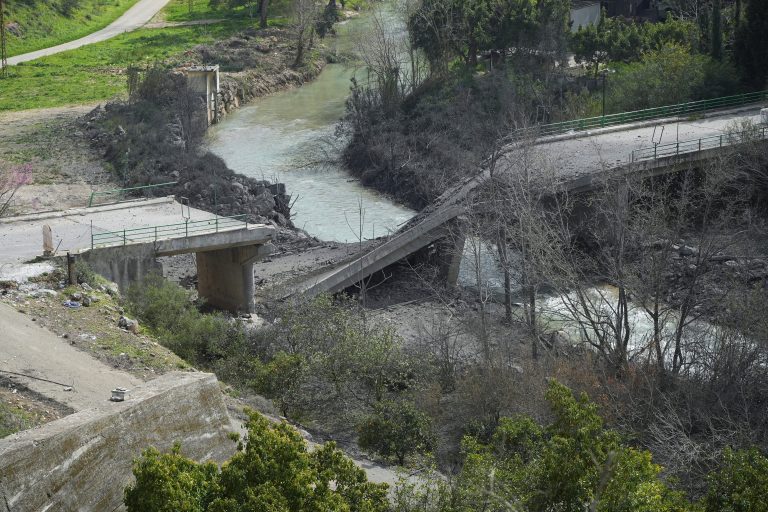
After weeks of intensive strikes, Iran is emerging from the war with potentially more sovereignty, fewer sanctions, and a weaker opposition.