If you became an overnight viral sensation, how would you cope with the fame and expectations that come with it?
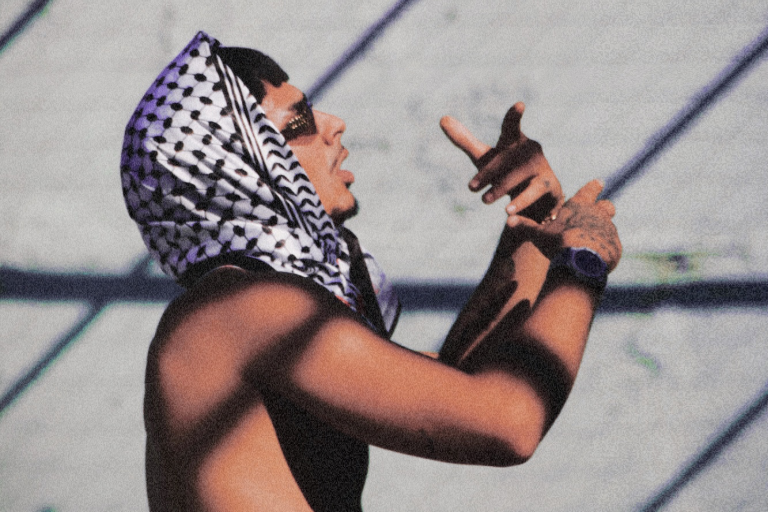
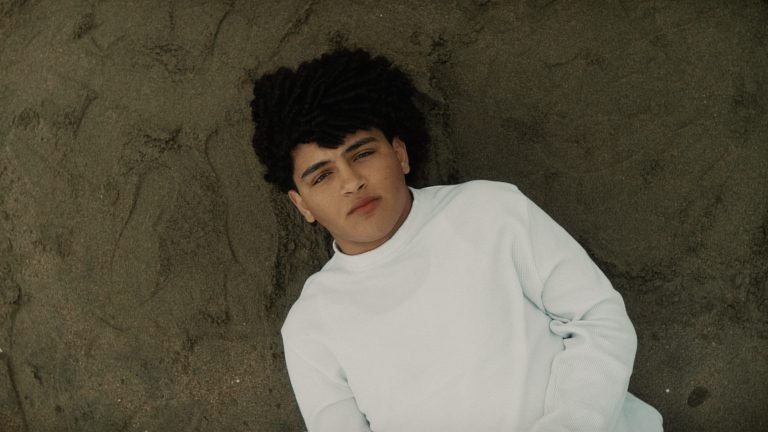
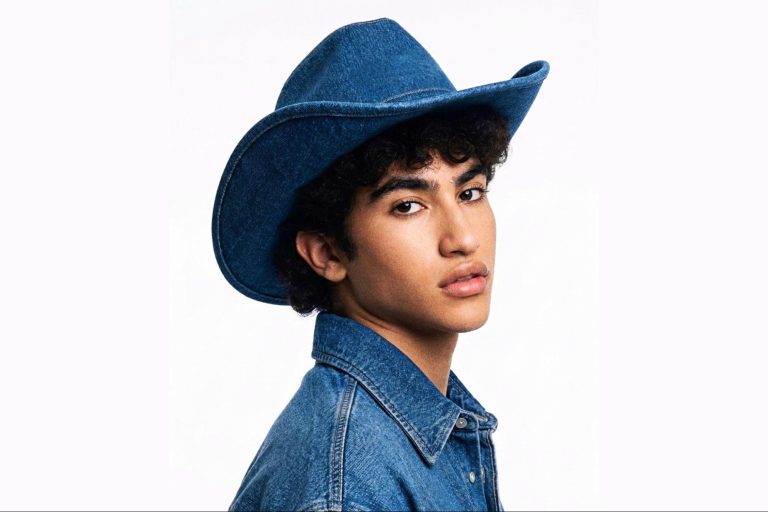
This is exactly what a then seventeen-year-old Issam Alnajjar experienced in 2020 after his hit single “Hadal Ahebek” (I’ll keep loving you) went global, being played by the likes of Will Smith, Addison Rae, David Dobrik and others.
Born in 2003 in Amman, Jordan to Palestinian parents, Issam was a fast learner, teaching himself to play guitar during his teen years. This is where the magic would start, where his melodies and lyrics would flow.
After releasing his debut album Baree? in 2021, Alnajjar felt the weight of fame and decided it was time to take a step back from the industry.
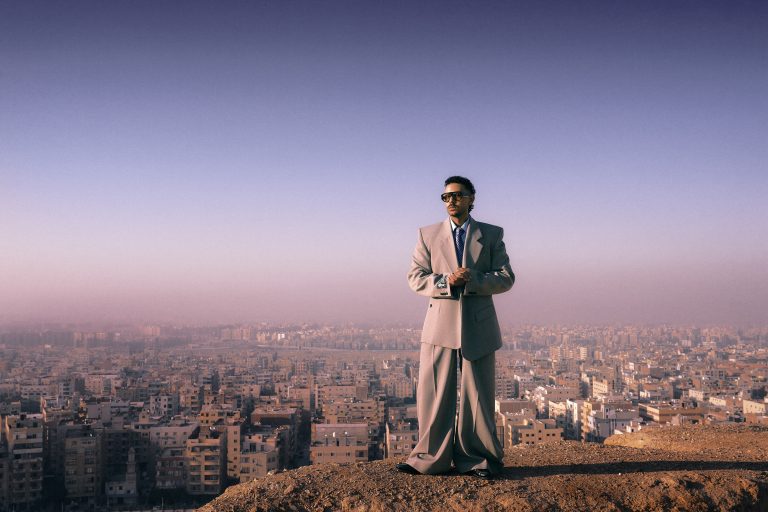
Now, in the fall of 2025, five years older and wiser, Alnajjar is signed to Wassim “Sal” Slaiby’s UAM records, and ready to uncover a different side to him in his upcoming album A Night In Cairo. Releasing singles “Zaffeh” and the ballad “Hayati” has stirred anticipation for this new era in the A-pop star’s career.
Tariq: TikTok has become a launchpad for many Gen Z artists. Why did you choose the platform to start releasing covers?
Issam: Since I was 14, I was into music. It lets me express the feelings I have without actually talking about it. My friend gave me a guitar because I was spending a lot of time alone, my family was in America.
I watched Tate McRae covers for a while. I was really into covers and learning the songs on my guitar and posting on TikTok
Did the rise on TikTok feel sudden?
I would say for eight months I started to build my own little fanbase, where people began to recognize my face. Mind you, I didn’t sound good, you can go back and listen to the covers I was doing, they were horrible, but you have to start somewhere.
I wrote “Hadal Ahebek,” but I didn’t release it, instead I posted a snippet on Instagram. Whenever I would go live people would ask me to sing that song, and I realized fans are really into it.
Months went by and I won a competition to film a music video, and I had this original that I was sitting on. So we just released it, I barely had any fan base. Overnight, I exceeded my goal of 10,000 streams and got 17,000, it kept growing. No one thought it would be this big!
Who were you listening to while writing “Hadal Ahebek” with your collaborators?
The lyrics of the song were an actual story that was happening. I was on FaceTime with my ex and she had her head on the pillow. I was just learning the four most simple chords on guitar and the lyrics just came from that moment.
A lot of people connected it with the style of Aziz Maraka, and the indie Arabic sound that was out there at that time, and I see it too – but it wasn’t intentional. This was a personal story. I started freestyling and it was spontaneous.
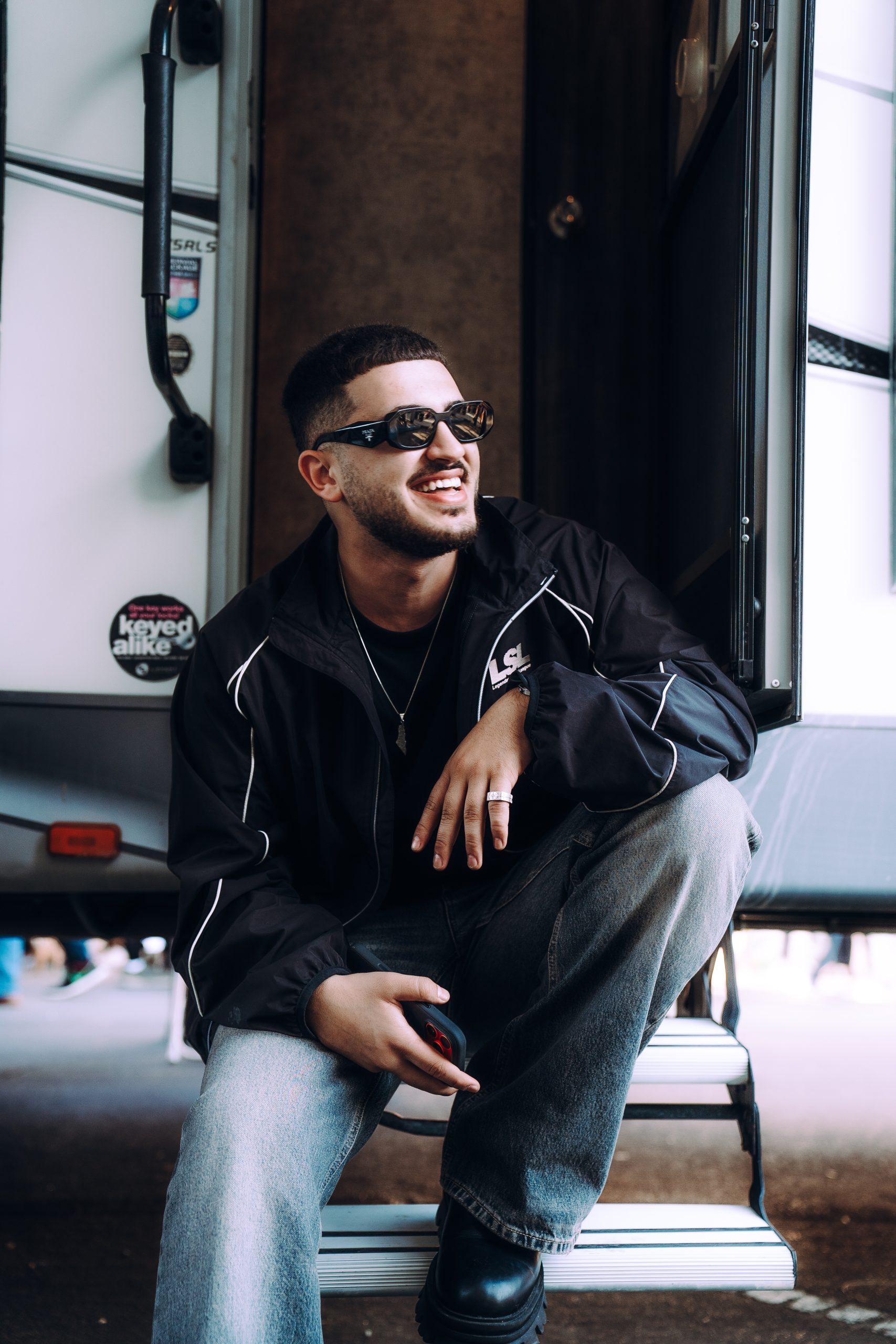
When “Hadal Ahebek” topped Spotify’s Global Viral 50 and landed you on a Times Square billboard, it became bigger than just a TikTok moment. What did that level of visibility change for you?
I was happy that I’m making music for a living, but there was pressure too. People were expecting a bigger hit after that, even though this is the first (original) song that I’ve ever made and released.
My career started backwards. People usually try and experiment with their sound until they find their identity and get their big break. So it was challenging for me for a few years to figure out who I really am, things only started to make sense in my head this year. I’ve learnt a lot and I’m still young, my prime years are ahead of me, but at the time people expected a lot from when I just didn’t have the experience.
Looking back five years later, where does “Hadal Ahebek” sit with you today – a simple beginning you’ve outgrown, or a cornerstone you continue to build on?
I’m grateful for having such a big hit people are always waiting for when I’m performing. But I do have a love-hate relationship with it, because I have other music I’ve released which is way better in terms of production and I sound a lot better.
People just fell in love with it for its simplicity and how innocent the song was, and I always fall in love with it again whenever I’m on stage. The last two times I performed it, I got these kids in the front row to come up on stage with me and sing it with me and they loved it.
I’m ready for people to listen to the new music, I don’t like to bring it back every time I’m doing an interview, because I was going through what any normal seventeen year old is going through.
How did you cope with sudden, massive recognition at such a young age? Did the pressure affect your mental health?
Early on in my career, after “Hadal Ahebek,” it was really hard to go to the places I used to go with my friends. I surrounded myself with people I trust but the expectations were high. I’ve always been the quiet one of my friend group, and it was weird having people approach me for the first time.
The whole situation was a bit overwhelming, and I don’t think anyone could’ve handled being in my shoes having everything thrown at you, and even from a financial side. I knew I needed to take a break to understand what I’m going through. For me, the hardest part was I was doing a lot of things by myself and I didn’t have my friends with me.
“My career started backwards. People usually try and experiment with their sound until they find their identity and get their big break. So it was challenging for me for a few years to figure out who I really am.”
I remember winning the Breakthrough Musician of The Year award from GQ Middle East while I was sick. I took the award back to my hotel room knowing I had achieved a great thing, but not feeling happy inside. There’s a saying in Arabic ‘If you’re in heaven by yourself, it’s not that special.’
Your first album Baree? leaned into a soft, minimal, guitar-driven sound. What did that aesthetic represent for you at the time, and how did it define your early musical identity?
It was familiar for me, it was not something that was so different from “Hadal Ahebek,” in that I’m with my guitar and singing. So, I wanted to have that be like an identity that people connect me with. And as a sound, the essence of “Hadal Ahebek” was in every song, but it was a better produced project.
Your EP Waray and your collaborations from that period felt like a bridge between Baree? and your newer direction. Looking back, do you see it as a transitional chapter, an experiment, or the real beginning of the sound you’re exploring today?
It was a different vibe of a project. I was experimenting with sounds and with my range, that definitely grew my singing ability.
At that stage, where did you see yourself within the regional scene – Arabizi alongside Saint Levant and Elyanna? A-pop like Bahjat? Or as a TikTok-born artist like Amira Adeeb?
My main goal was to push a new genre called A-pop, Bahjat is saying he created it, I don’t mind that, but also give me my props. If you listen to all of the people you mentioned – we’re different but also similar in a lot of ways. Saint Levant and Elyanna are doing great. Both of them understood their identity and what they needed to do because they had the time to experiment. I’m still on my journey of finding exactly where I stand, but at the same time, these people are my friends and I would consider myself to be alongside all of them.
Your recent releases mark a sharp stylistic shift: from acoustic to electronic, minimal to maximal, indie aesthetics to studio polish. What prompted this transformation?
I think just getting to know my voice and what it’s capable of opened my mind to trying a lot of new stuff. I did a record with Alan Walker and Alok, it was the Arabic version of “Headlights,” and it worked. I have a really big vocal range that allows me to try new stuff with my voice, and as I mentioned before I don’t make music that I don’t listen to. This is the type of music I listen to. If I want to release a song, I want it to be polished and a great mainstream sounding song.
Tell us about the earliest stages of creating your upcoming album. Who was involved in the composition and songwriting, and how did you arrive at the overall direction you wanted to take?
I’ve been working on this project for the past two years, after this phase of depression I went through and feeling uninspired. I didn’t know what music I wanted to make, I was in my head and dealing with writer’s block for weeks. Then my friend came to me and said, ‘do you want to go and watch Coldplay with us?’, I said alright let’s go. I went there not expecting anything, I only know the hits, but watching the show felt so good for my soul. I was crying throughout the whole set because of how real the music felt. The lyrics were so simple and yet so beautiful.
I went home and hit up my guitarist Jay Green, and we created the first song on the album “Omri” and it was so real. It was just me with him on the guitar. We wrote the whole melody and the lyrics in the first take. Then I hit up this writer from Egypt, Mohamed Shafei, he’s so good and understood my vision exactly. We weren’t done, we wanted it to sound cinematic, so we called up Marco Rodriguez and he recorded a 36 live piece orchestra. I was singing in an Egyptian dialect and experimenting with something new.
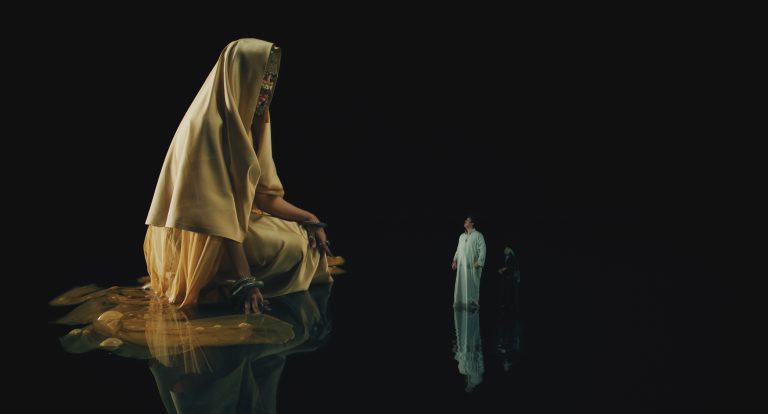
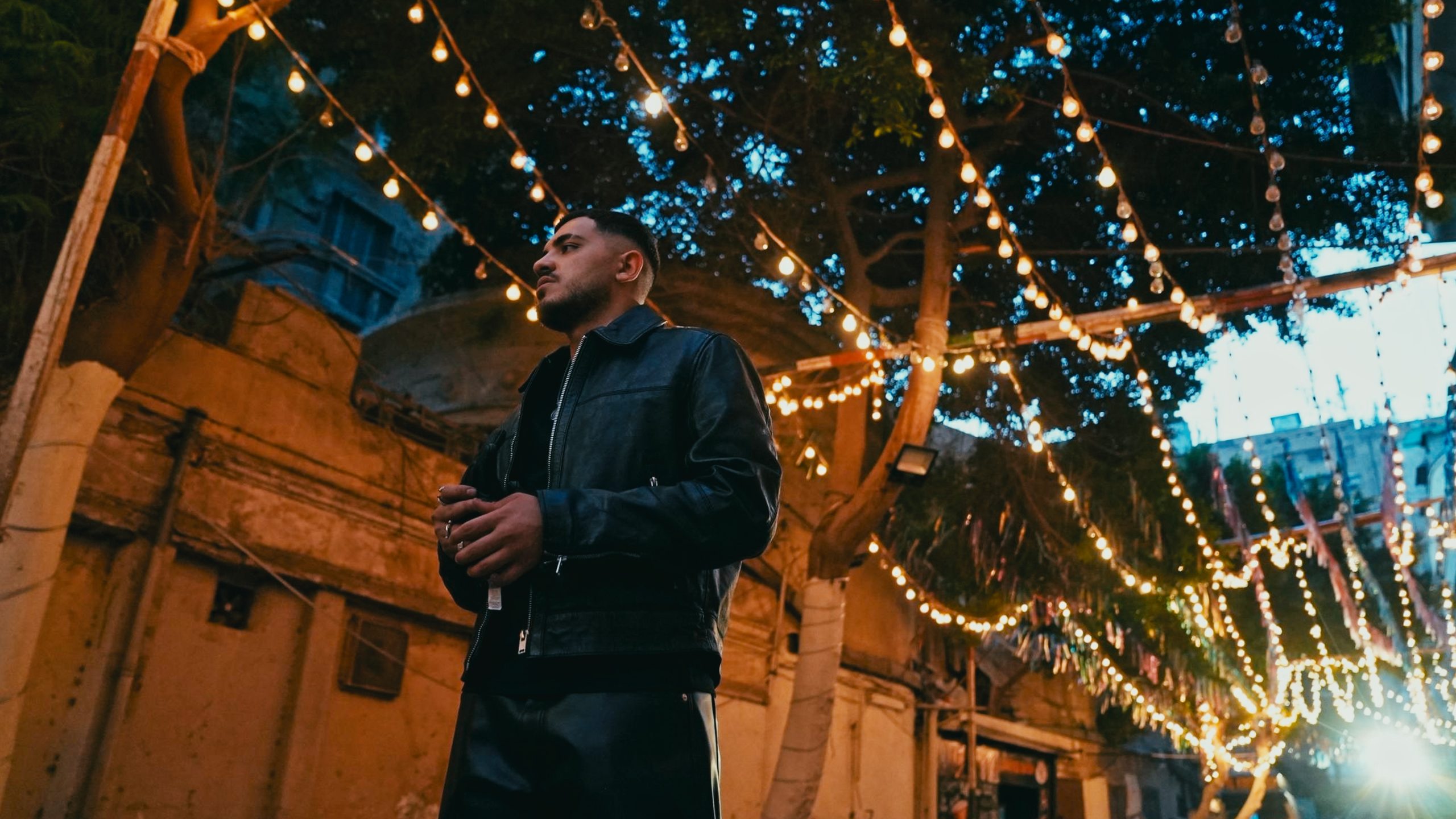
After that, I sat down with my project manager at the time, Elisa, and we agreed that with the album we want to build a world for the listener. Then we went to Egypt and got inspired there. I started working with a producer in LA who’s Persian, called One In A Million, and me and him just clicked. We created so many demos that I would take them to Egyptian writers. In the past, I’ve usually shied away from working with writers, but I wanted a real Egyptian perspective, so I started working with Ortega who is huge, and his boy Amir.
I went back to LA, finished the recording and it was time to record the music videos in Egypt. Then Elisa had a health issue where she had meningitis and lost her memory. That was really traumatic. We’ve been working on this project for two years and we had everything ready.
“Everything creatively comes back to me, I have that creative freedom. The only thing that’s different is I’m representing a big label, and I don’t want to represent them in the wrong way.”
I had to carry her legacy and everything that she did for this project with me, so it was a lot of pressure delaying releases. In the end, we decided to release some singles because I haven’t released new music in two years, and the feedback has been amazing.
How is Elisa now? Is she okay?
She’s doing a lot better now but it’s going to take some time. She was the only person in LA where I felt like I had someone, and that was a pretty big pretty big part of me leaving LA. The album has such a positive and happy vibe about love, and we lost something there, I lost something in myself which is the challenging part of this whole rollout.
She moved back to Lebanon to be with her mum and her family. It felt strange with the music coming out and her not being there, we were friends before she started working with us in the company, she was the only person I had as a rock. She believed in me more than myself and pushed me to record crazier vocals.
Who are the producers you’re working with on the record, and what does your creative exchange look like? Are you hands-on in the production process?
I’ve worked with a lot of producers in my career, and with this project I only worked with two or three. It was amazing how everything came together. On the second song on the album, “Poison,” I worked with this producer Alex Wilkie, he is straight up the whitest dude I’ve ever met and not in a bad way. I asked him if he was willing to spend the next two hours on what Arabic music is and what it feels like, and he said ‘hell yeah.’ I spent three hours showing him songs and introducing him to our instruments: mijwiz, darbuka … etc.
I’m very hands on with the production, ideas, chords and melodies. I would say I’m 80% hands on. With One in A Million, being Persian he’s familiar with the Arabic sound so we just gave him references. Jay Green, sick guitarist, we wrote two songs on the album together. And one song I produced myself, “Omri.”
Who have been your favorite collaborators on this project – whether singers, lyricists, instrumentalists, or engineers – and why?
Ortega, because It was so fun to see how he writes and the speed in which he does it. Being in a different writing session was very interesting to see their point of views and the methods of how they write. I’ve learnt so much. Jay Green of course, funny story, we’d been working together for months and he happens to be the stepson of Christopher Llyod from Back To The Future. And of course Alex Wilkie, because we were mixing the Arabic influences of early 2000s hip hop with western sounds.
You’ve worked with some of the most defining voices in contemporary Arab pop, from Elyanna and Mohamed Ramadan to Manal. What draws you to their styles, and who’s next on your collaboration wishlist?
The first collaboration I did was with Elyanna when we were both baby faces of the industry. We’re really good friends, we’re under the same management so it made sense. She’s so talented, I’ve never seen a girl work as hard as her.
I’ve worked with Ali Gatie, who’s one of my favourite artists, even before I made music. Manal is amazing, we filmed in Morocco together. Mohamed Ramadan is a genuinely good guy, he’s come out and supported me during a show, and whenever we were in Egypt filming he invited us to his trailer to watch films. We always text. With GIMS, I was amazed at how great a vocalist he is, he has a very rich voice.
“My main goal was to push a new genre called A-pop, Bahjat is saying he created it, I don’t mind that, but also give me my props.”
I would say TUL8TE is on my wishlist because I’m in my Egyptian era, I love his style of production and melodies. I think if we worked together we could do something super dope. I’d love to share the stage with Elyanna again. If we’re talking internationally, I’d love to be the first guy to have Justin Bieber on an Arabic song. Also, Post Malone is my inspiration as a human and as an artist.
You were the first artist signed to UAM and handpicked by Wassim “Sal” Slaiby. What expectations came with being that flagship signing?
I’m really fortunate to have a great relationship with Sal. Before Sal, I was getting a lot of offers and deals with money I hadn’t seen before. I was on the phone with my dad crying, saying that I need a manager. I’m not kidding, the same night Sal messaged me saying he wanted to call me, but I didn’t know who he was. He then texted me that Ali Gatie wanted to hop on a remix of “Hadal Ahebek” and I’m a big Ali Gatie fan, so we hopped on a call. He rang me on an international call, and I said: ‘Isn’t this costing you money?’ He said ‘You really don’t know who I am, do you?’ He told me about the vision he has for a new company to push Arabic music on a global scale, and that he was waiting for me for the last four years to spearhead this.
He believed in me so much, that’s why I signed. He still went the extra mile and put me in a group chat with The Weeknd, and then the next thing The Weeknd’s facetiming me while he was rehearsing for the Superbowl showing me the set.
Obviously being the first artist signed to UAM was an honour, but what I love most about Sal is how smart he is. The best advice he’s given me is, ‘we can give you a hit right now but we believe in artist development and it doesn’t matter how long it takes.’ I sometimes get in my head thinking I need to be on top of things, and he tells me to calm down, focus on the music and not worry about anything else. We’re really close, he’s like a family member, I’m always invited to Christmas and Thanksgiving dinners. Of course there’s pressure, but it’s just about trusting the process.
The thing that made me feel good about my team is that Sal told me ‘we don’t want to just make another Hadal Ahebek or to make the same formula,’ we want to make an album that is a little different but not far off. We want to build a base but it will take time.’ He was right, I don’t think I was ready then, I don’t even think I was ready a year ago.
Now that you’re working under a major label and with an expanded creative team, how do you maintain control over your artistic vision compared to your more independent era?
Everything creatively comes back to me, I have that creative freedom. The only thing that’s different is I’m representing a big label, and I don’t want to represent them in the wrong way. So because of that I’m not releasing everything I make, I have to think about it first. If I was still an independent artist, I’d just make it and release it. It has its pros and cons, but in terms of creative control I feel free. I’m also very easy to work with, I’m not stubborn, if someone has an opinion I’ll listen to it.
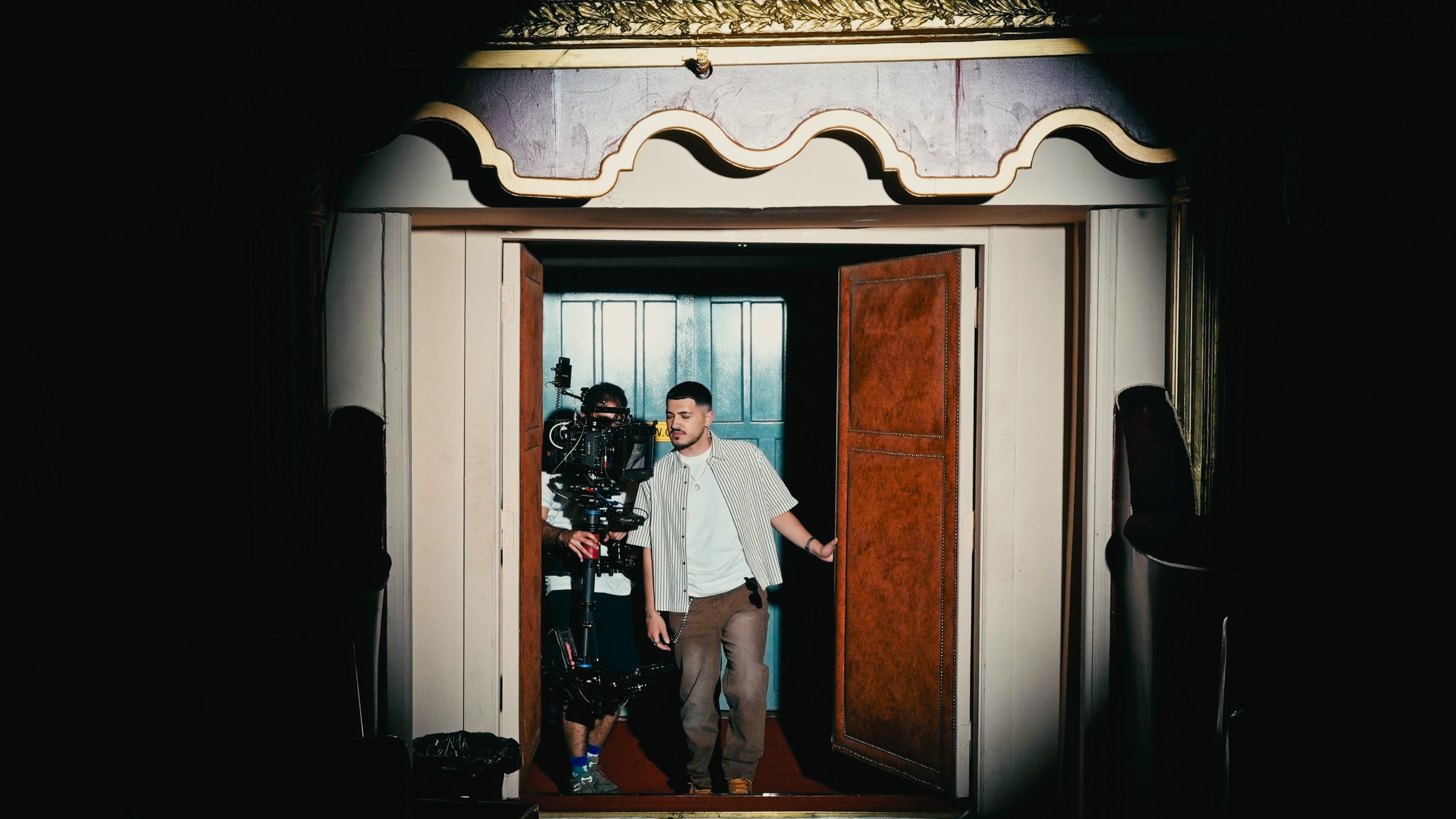
How are you shaping the visual identity of this album?
It’s very easy to come up with this world because it’s inspired by Egypt, but in the music videos, they’re my personal stories and my physical space. I’m working with Abanoub Ramsis, he’s a very dope director from Egypt. Working with all the crew from Egypt really helped me understand what I want. As far as the album cover and pictures, we did that internally, Alejandro shot that, he’s also a DJ. Shoutout Alejandro.
You were part of Rajieen, the charity single bringing together 25 Arab artists in support of Palestine. How do you navigate the space between being a pop artist and being a visible Palestinian voice?
It’s only right to use your voice, especially as an artist, to speak the truth and let people know where you stand. I don’t usually get too political in my stories, but I know where I stand and knew I wanted to do something while I was in LA. My old producer Nasir Al Bashir hit me up and told me to come to Jordan tomorrow because we’re making a song for Palestine. I booked my flight and within 24 hours I landed in Amman, was at the hotel, showered and at 11pm I went to the studio to record my part on the song. The next day we filmed the music video.
There was no hesitation from any artist, it felt so right to use my voice in such a real song. Usually songs that are political are very sugar coated and censored but with this its straight truth. And obviously not one got paid for it, we did it because we wanted to use our power in the industry. It was an honour to be a part of, especially having the biggest part which went viral. At the same time it felt weird because I don’t want to use the song in my favor just to get streams or followers like some others have for Palestine.
Finally, how do you take it to that next level?
I think what we’re missing in our region is what Elyanna and Saint Levant are doing, and that’s having a really good show. It’s going to take my music and everyone’s careers to take us to that next level if we follow the steps of big artists like The Weeknd, Karol G, Bad Bunny, Justin Bieber. Their shows are world-building, and at the end of the day it’s show business and that’s what’s going to take Arabic music to even bigger stages.