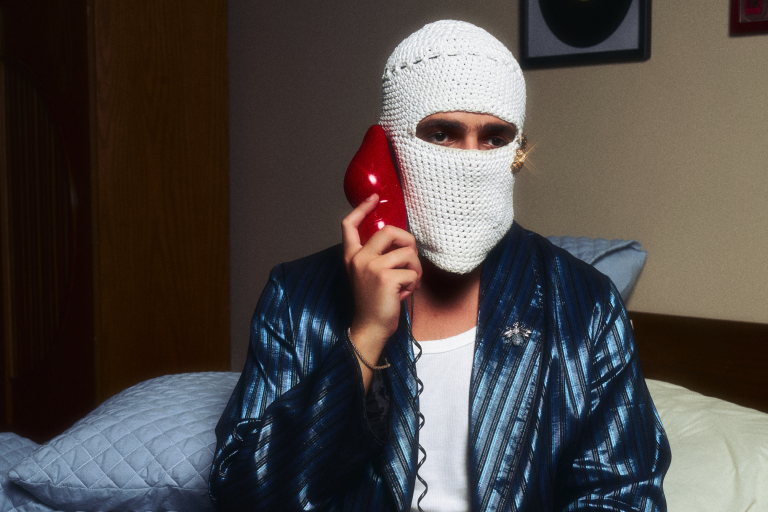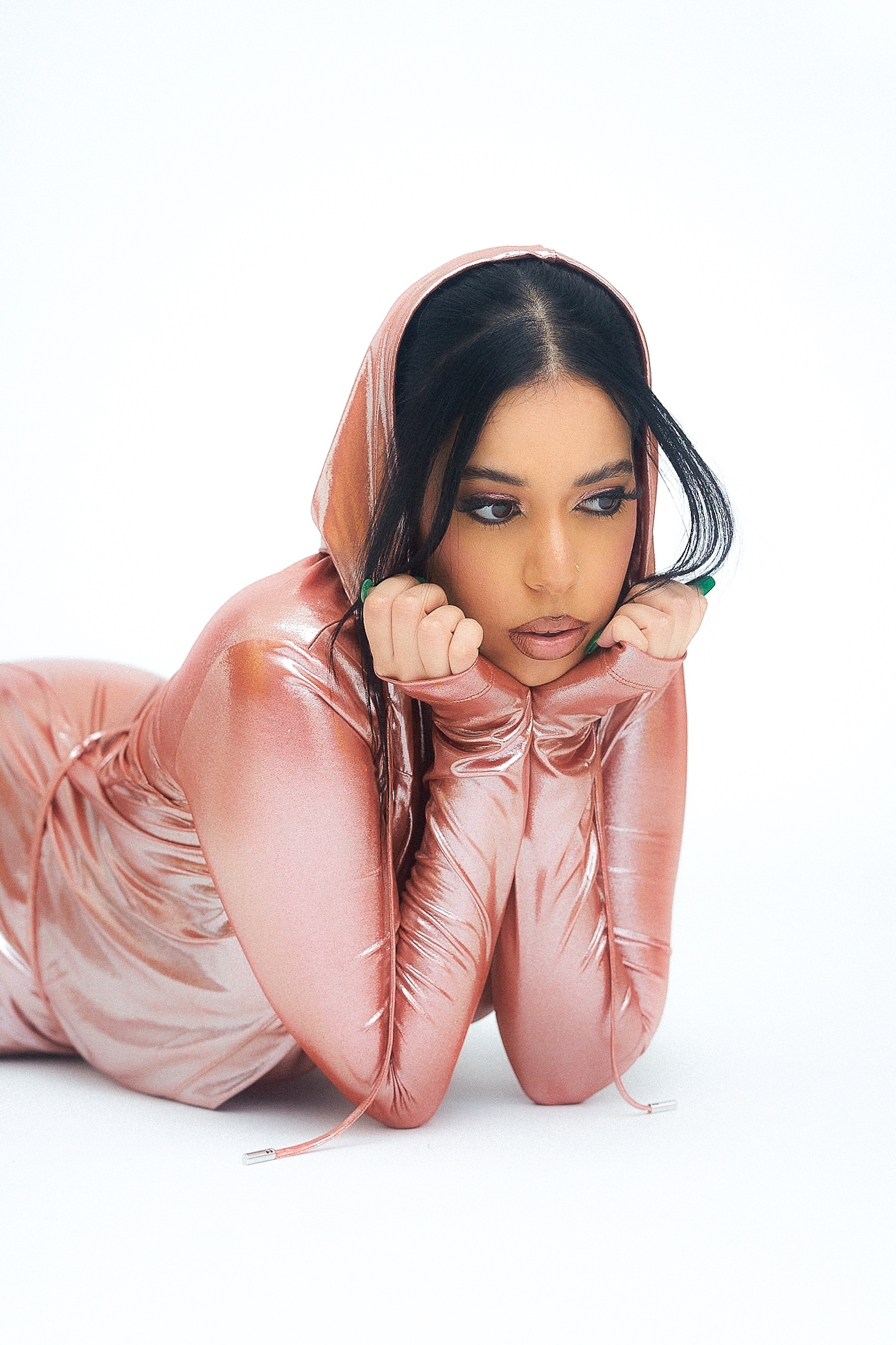
With a new album coming out September 19th, ilham is on the upswing. The Queensbridge Projects native, daughter of first generation Moroccan-Americans, is ready to tell her story and to write the rest of it.
Uhm..ok? is the work of an artist coming into her own. It makes clear that ilham is now becoming ilham. It’s a fresh start and the lyrics, and beats, are much bolder than her previous work. The titular track, with a NY style drill beat, tracks ilham’s initial confusion about what was happening around her in the industry to a disregard for bullshit in favor of pushing on. It’s a song about her maturity.
Ilham has plenty of reasons to be bold. Queensbridge Projects is rich with hip hop history producing artists like Nas and Mobb Deep. It’s a tough place to grow up.
“Yeah, I thought fireworks were happening every day. No, those were gun shots, you know, like when I started getting older, I realized oh shit and yeah, it was just a tough pill to swallow.”
The experience of navigating the world for her parents helped create the voice she has today. She got some fame for an X thread about how the New York City Housing Authority was ignoring the mold, lack of hot water and floods affecting Section 8 housing. “That’s how I learned closed mouths don’t get fed.”
“No matter how much you’re paying in rent, whether you’re paying a million dollars or a hundred dollars and you live in section 8, which is a project, everybody deserves equal rights, everybody deserves the basic necessities, right?”
Despite its problems, Queensbridge Projects is part of her identity and part of her music. Her album covers feature pictures of her building, her parents living room and her music videos are filmed there. No testing, the last song on her new album, is her story and its depth makes it the standout track.
Like for a lot of immigrants and children of immigrants, there are two lives: the American outside life and the more traditional inside life.
“Inside the house, it’s carpets, my parents are protecting me from whatever’s outside. It’s very traditional, we’re eating couscous, we’re eating tajin, it’s very Moroccan. My dad is listening to Cheb Hasni, Cheb Khaled. It was two different worlds.”
Her parents are a big part of her mission. They, like many immigrant parents, wanted her to go to college to get a professional degree and she couldn’t say no.
So she tried to hustle. She applied only to Ivy League universities thinking that her parents would handle a university rejection letter better than her refusal to apply. Rejection letter after rejection letter came in until she was accepted to Cornell. I can hear the smile in her voice as she tells the story.
Ilham raced through a business degree finishing a year early but instead of working at a bank, she interned at Capital Records and traded songwriting for other artists into studio time. Now, being an independent artist, she’s come around to her parents’ wisdom.
“Listen, I think at the end of the day, a lot of people try to downplay an education. Everybody talks about ‘oh you don’t need to go to school’, but it’s like no, if you’re poor as fuck and you grew up with nothing and on food stamps, you should go to school.”
Eventually she released her work and signed to French Montana’s label, a fellow Moroccan-American who acted as a mentor early in ilham’s career.

Being Moroccan doesn’t come without its challenges in the music industry. Lack of representation affected her as a young musician. She wants to be part of the change.
Describing what one producer said to her, she says, “Well you’re North African. Arabs, they’re not really embraced as much. And I’m not gonna lie, it’s not that I’m not aware, I just have been moving and being me to the fullest, where like I didn’t even realize, oh shit, you’re right.”
The truth of that statement came to the fore when she started wearing a Morocco t-shirt and was surprised by the positive but also the negative comments thrown at her. Some of that was from other North Africans, who she jokingly calls the “haram police”. True to form, ilham ignores the bumps and keeps pushing. Her presence as a role model for other kids is her way of giving them what she never had.
After a two year pause during which she went independent, there was a new awakening to the realities of people outside her neighborhood and country. Though her previous work is largely R&B, she categorizes her new project as influenced by the world. She wants to “elevate the frequency” and speak to people everywhere.
Ilham is an artist integrating her two selves, and turning them into music. Her new album, her first since becoming an independent artist, is a reclamation of her voice. “Where I’m from they rarely see us,” she sings in the chorus of No testing alluding to her experiences with NYCHA. Finally, as an independent artist, she’s releasing her story in her songs and she will be seen.
At the end of our interview she mentioned that success would be taking her parents “out of the hood”. With this new album, ilham is taking her music beyond Queensbridge Projects. It’s a first step towards a larger, more international, audience.