
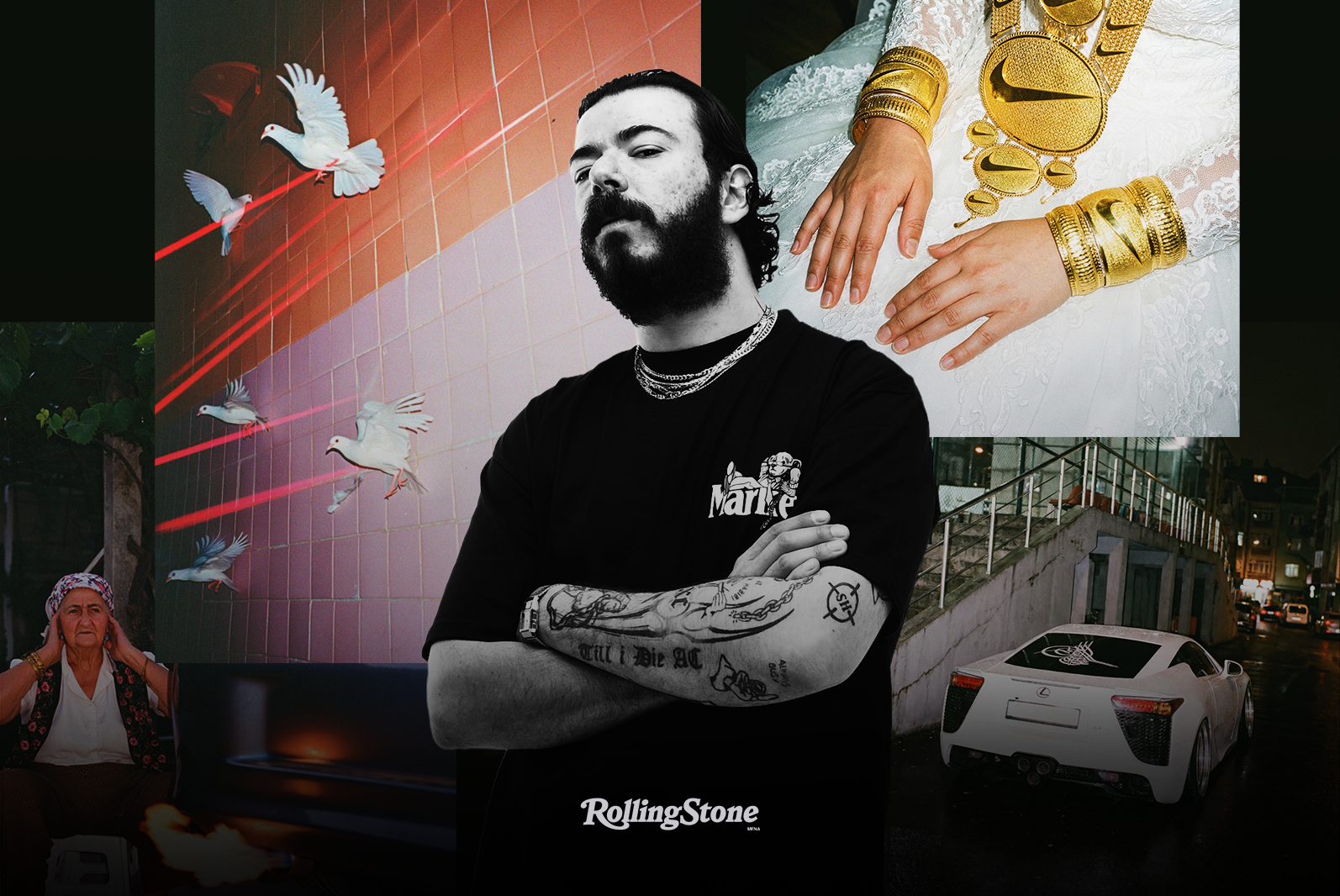
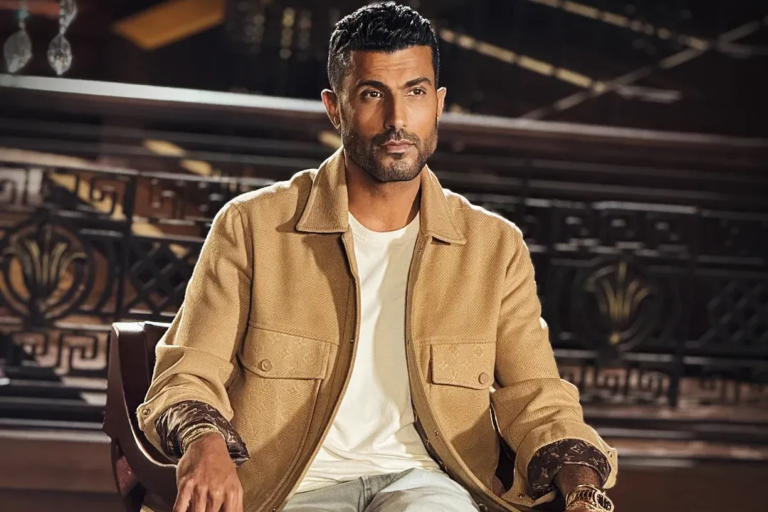
CES arrives at the çay salon in Bakırköy moving at his own pace, which is to say unhurried, through a lunch crowd that parts slightly around him. Well over six feet, dressed entirely in black, gold-rimmed glasses make his only concession to colour.
He sits, orders a çay, and before the glass reaches the table he is already mid-thought, working through something about why Istanbul’s visual culture travels better than anyone expected. We are close to an hour into the conversation when the ground moves.
Brief. Low. The kind of tremor the city usually absorbs without ceremony. His phone lights up shortly after. His father. Then his uncle. He answers each in a few quiet words and sets the phone back down.
His family never quite got over 1999, he tells me later. His uncle had called that night too, while they were abroad, to say something very bad had happened in Istanbul. Seventeen thousand dead by morning. A small tremor is enough to wake that memory. The phones start ringing before you’ve consciously registered what you felt.
We cut it short. On the way out he points me toward his favourite durum spot around the corner, then turns back toward the neighbourhood. We picked it up again months later over video call, more or less where we left off.
He still lives in Zeytinburnu, where he grew up. Not Beyoğlu. Not Karaköy. Not anywhere that appears in coverage of Istanbul’s creative class. “Istanbul is beautiful,” he says. “But it’s also suffocating.” He goes to the centre when he has a reason. He comes back the same day.
One Photograph, One Week
Before the AI works, before Nike and Mercedes, before any of this, there was a photograph. A friend named Yusuf, tattooed hands resting on the Mercedes three-pointed star, gold signet ring on one finger, gold-link watch at the wrist. CES had been working the Istanbul street for years as a photographer and graphic designer, building an eye on a city that generates visual collisions without trying. He tagged Mercedes-Benz in the post. They wrote back within the week.
“That changed my life,” he says, with the delivery of someone who has thought about it enough to know exactly what it meant. He had the image in his head before he reached Yusuf’s building. It took an hour. Only here, he points out, can you find an old Mercedes and someone who walks out of their door already dressed right, no styling required. The street does the preparation. He just has to arrive.
The collaboration that followed lasted two years. CES eventually had the three-pointed star tattooed on his skin. Not out of brand loyalty, but the acknowledgement that a photograph had made a life possible.
What came next is the thing that crossed continents. CES had been testing AI tools, running images through Midjourney and other platforms, building his own process: feed in his photographs, push the mood, Photoshop the result until it no longer looked like what it was.
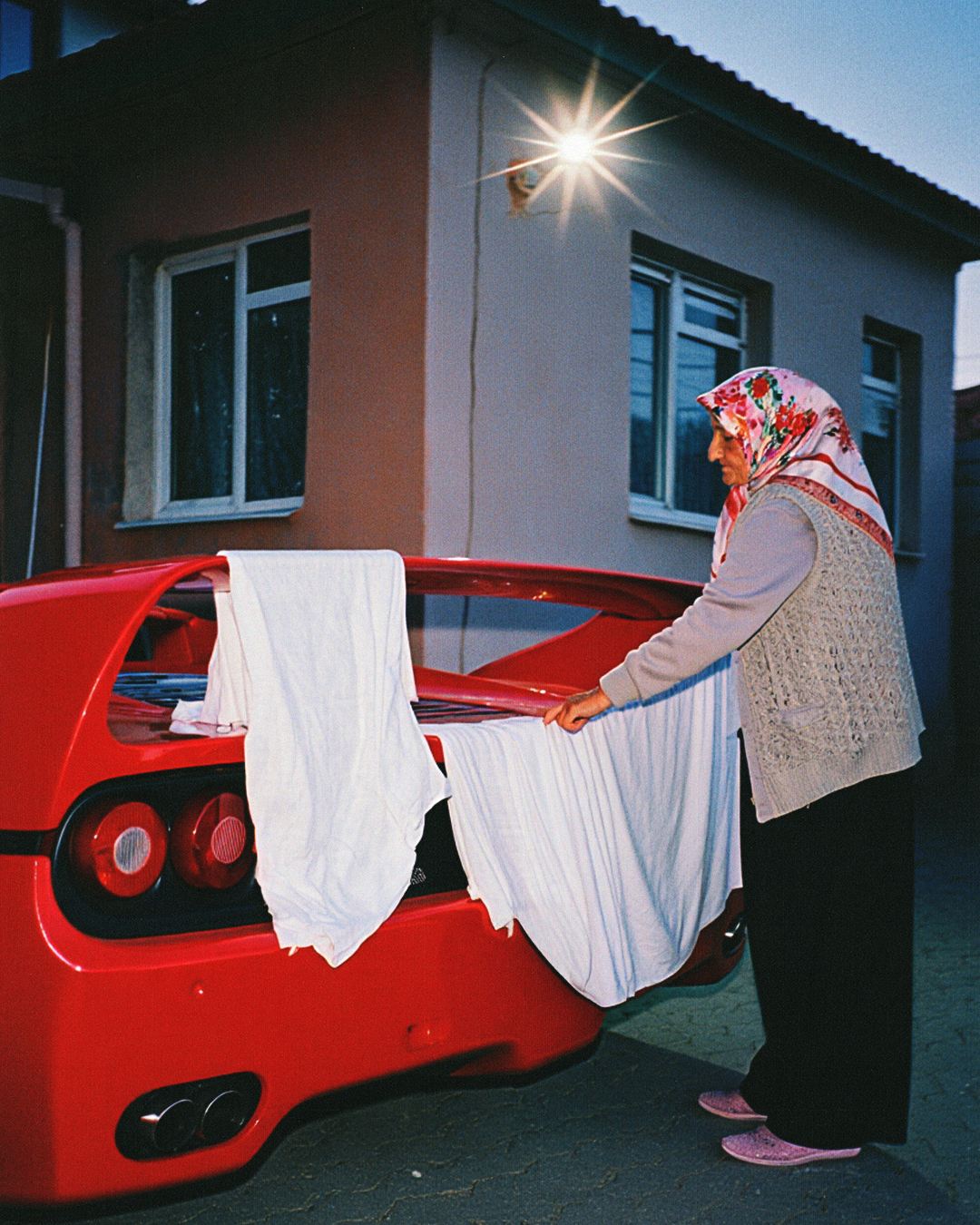
The image that spread was an elderly Turkish woman in a folding chair in front of a pink Subaru Impreza, the bodywork printed with hot-rod flames, the scene lit like a courtyard in Anatolia at three in the afternoon. Her headscarf tied in the old way. The car behind her entirely irrelevant to her state of mind. Within days, it was moving across the world, amplified by Arabic accounts that reach millions, reshared by people who couldn’t fully explain the pull. “If someone gets confused about my work,” CES says, “then I’ve done my job.”
The City That Keeps Deciding
CES’s mother studied archaeology in France. His father studied in the United States, manufactures plastic credit cards, took the family on international trips while CES was growing up. He came back every time to Zeytinburnu, which is not a district that features in tourism photography.
He was into graffiti before he owned a camera. Then graphic design. Then photography. He worked briefly at agencies, grew tired of being told his ideas were too much, quit, bought a computer and a lens, and spent the next several years building something in the mornings – before other work – and on weekends, feeding the practice on the daily visual texture of the city around him.
“Turkish people are always avoiding their own culture,” he says. “They want to be European or American. But I was born and raised there. I needed to show that culture, in a way that different eyes could read.”
The Grand Bazaar, stacked with counterfeit Guccis alongside genuine Ottoman silverwork, was never an ironic reference for him. It was the street outside the shop. Istanbul has been at the intersection of trade routes, religions, empires and aesthetic traditions for long enough that the collision has become the baseline.
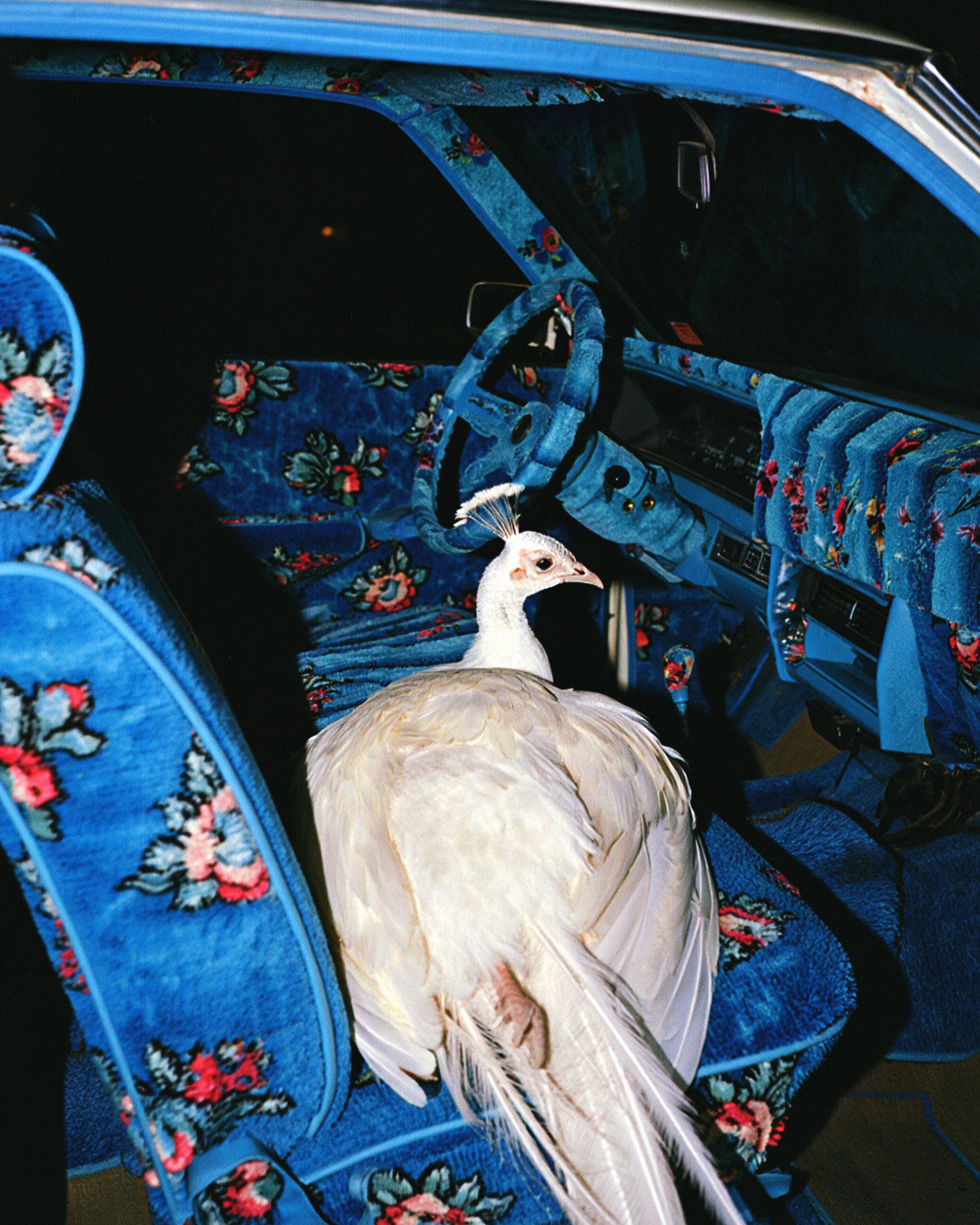
CES’s images work with this rather than commenting on it. A white Lexus on a wet backstreet at night, Ottoman calligraphy across the rear windscreen, sodium light pooling in the asphalt. An old man in a blazer leaning on a red BMW, a sheep standing in the darkness behind him. A woman in a niqab on a blue Yamaha dirt bike, riding through a market, looking straight ahead.
“I’m always connecting dots,” he explains. “There’s a man in front of a building. What if I put a Ferrari next to him? Could be real. In real life it’s a little hard. So I make it with AI.”
The Argument He Doesn’t Have
Somewhere in the last two years, AI-generated imagery became one of the louder conversations in visual culture. In Europe and the United States, the debate centres on training data, consent, copyright, the question of whether the outputs of these systems constitute something like theft at scale.
These are not trivial concerns. Courts have issued early rulings. Agencies have drawn guidlines. The European Union has begun drafting regulation.
From Zeytinburnu, CES hears this conversation at a slight remove. His position is not a defence of AI in general, but rather something more specific: what he feeds into the process is a decade of his own photography, built on his own streets with his own camera. His visual archive goes in. Something that looks like his visual archive, extended past what his camera could reach, comes out. This is not the same as prompting a model from scratch and hoping for something interesting. “They’re real things,” he says eventually. “You come to Istanbul, you see elder ladies in Nike jackets in front of old cars. That’s a fact.”
The central anxiety about AI image-making is that it collapses individual vision into a kind of averaged output: images that look like images, technically accomplished and aesthetically anonymous. CES’s work doesn’t have this problem, because what he has built over ten years is too particular to disappear into the average. The gold ring on the steering wheel. The teyze (aunty) and the Subaru. The calligraphy on the Lexus. These images have a handwriting; and while the AI executes it, the handwriting was always his.
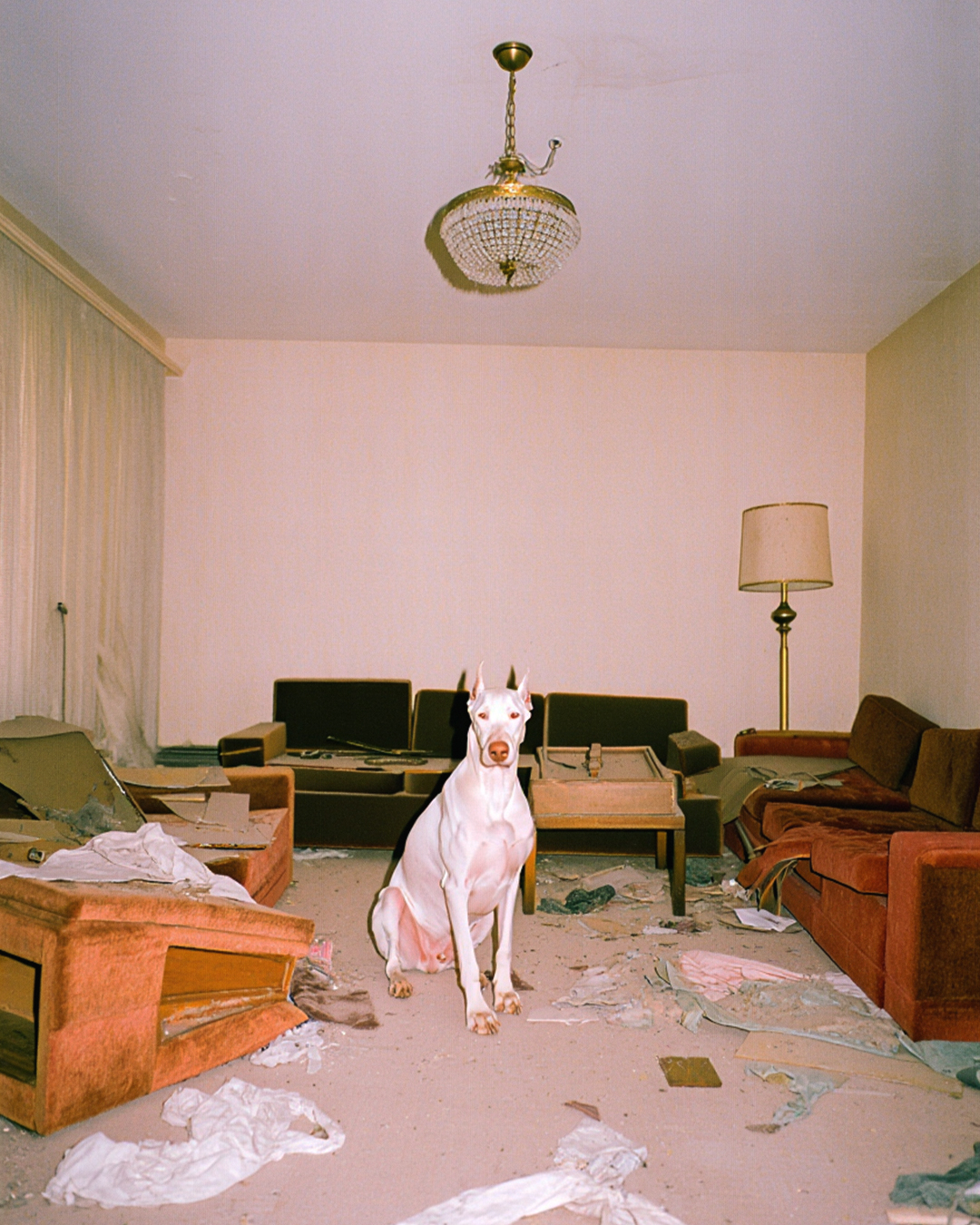
The comparison he reaches for on AI and photography is the one photographers reached for when digital cameras arrived. “The old people said, this is killing photography. But it was history repeating itself. In the beginning, people will be confused. Two or three years, you’ll see.” Far from dismissing the anxiety, he is placing it inside a longer story, one where the tools keep changing and what persists is the person behind them: what they have actually seen, where they grew up, what they cannot stop noticing.
He is straightforward about what this means commercially. “Everybody can do it. That’s fine. Not everybody works with the brands. It’s like football: not everyone plays in the Champions League.”
Nike came to him because he had built a visual identity specific enough that attaching it to their product was worth something. The brief they sent asked him to do what he does. “I’m selling my vibe, my energy. There’s lots of AI artists. But the missing thing is style. The missing thing is why.”
What the Gulf Already Knew
The pink Subaru image spread the fastest through Arabic and Gulf accounts. It makes sense once you understand what the image is actually doing. Across the region, the same hybridity plays out daily: between what was inherited and what the feed now offers, between grandmothers in headscarves and global sportswear brands, between centuries-old aesthetics and the consumer culture that arrived in a generation.
Instead of explaining this tension or resolving it, his pictures sit inside it, entirely at home. He was being true to his neighbourhood. The audiences that recognised it were being true to theirs.
“We are in the middle,” he says of Istanbul’s cultural position. “Middle Eastern culture, Ottoman things, Islamic things. Also European influence. For me, a Muslim elder lady wearing a Nike jacket: that’s a fusion. That’s Istanbul.” The same sentence describes half the visual culture of the Gulf. He was not trying to make images for these audiences. He was trying to make images that were honest about where he grew up. The two things, it turned out, were the same.

His commercial logic follows the same line. He works almost exclusively with international brands, and he’s direct about economics. “International brands say: we love your style, here’s our product, do what you want. Turkish brands want a big job on a tiny budget. That’s not my thing.” Beyond just production service, what he offers is an aesthetic that took a decade to build and cannot be easily reproduced without the decade.
The Neighbourhood That Made It
In person, CES is an easy company, warm without performing it, unhurried in the way of someone who has no intention of going anywhere they don’t choose to go. He takes the question of being copied with the same equanimity he takes most things. “If someone copycats me, okay. But everybody knows who started this.”
He has no plans to pivot to video despite what the platforms prefer, no interest in over-explaining his process, no mythology to protect. “I just do my own thing. Every day, I get lots of ideas.”
In Zeytinburnu, every corner holds raw material in suspension. An old man beside a parked car. A shop front that is almost something else. Light on a street that hasn’t decided whether it belongs to the past or not. CES has been looking at all of it his whole life, feeding it into machines, pulling out images that look like Istanbul. He was born here, and whatever comes next, the work starts here. The machine does not produce that. The neighbourhood does.





A Country in Retreat: Tunisia Jails Anti-Racism Pioneer Saadia Mosbah
Saadia Mosbah’s eight-year sentence raises urgent questions about repression, migration politics, and the cost of defending Black dignity.