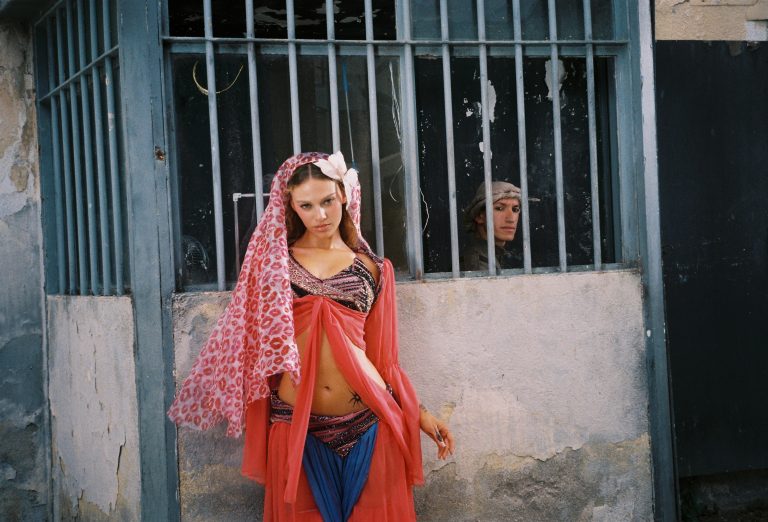
For a long time, music videos in mainstream Arabic music felt creatively stuck. Most followed a familiar formula: the artist positioned at the center, either playing the heartbroken lead, embodying exaggerated sex appeal, or performing choreographed moves in front of the camera, often surrounded by stylized backdrops or models.
There was rarely a strong narrative driving the visuals. The focus remained on the artist’s presence rather than on storytelling – a kind of main character dynamic where the camera simply reinforced their image.
With the rise of alternative music scenes in the early 2010s, mostly in hip-hop and rock music, and later in EDM and indie-pop, things finally began to shift. Different aesthetics and visual approaches found a new footing in the region.
Only in recent years, however, have music videos taken on a more central role. Some of the region’s leading artists approach their visual identity with the same rigor and passion they approach music-making, looking at music videos not as disposable promotional tools, but, in many cases, as an essential part to shaping their creative identity.
Balance
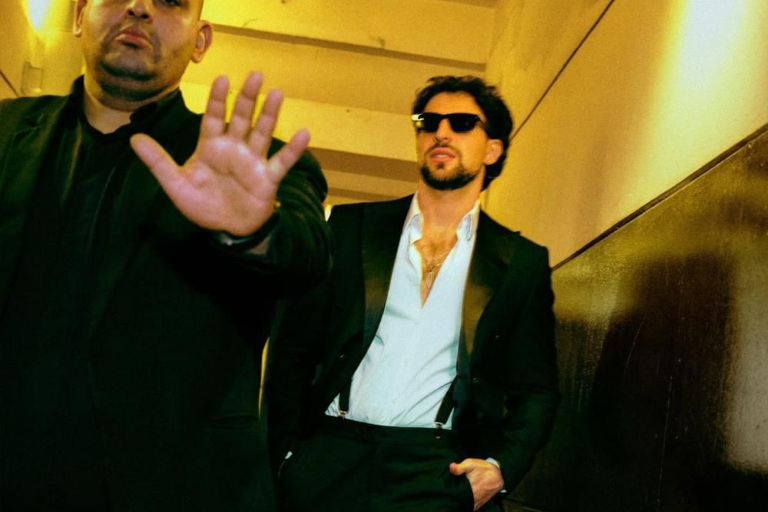
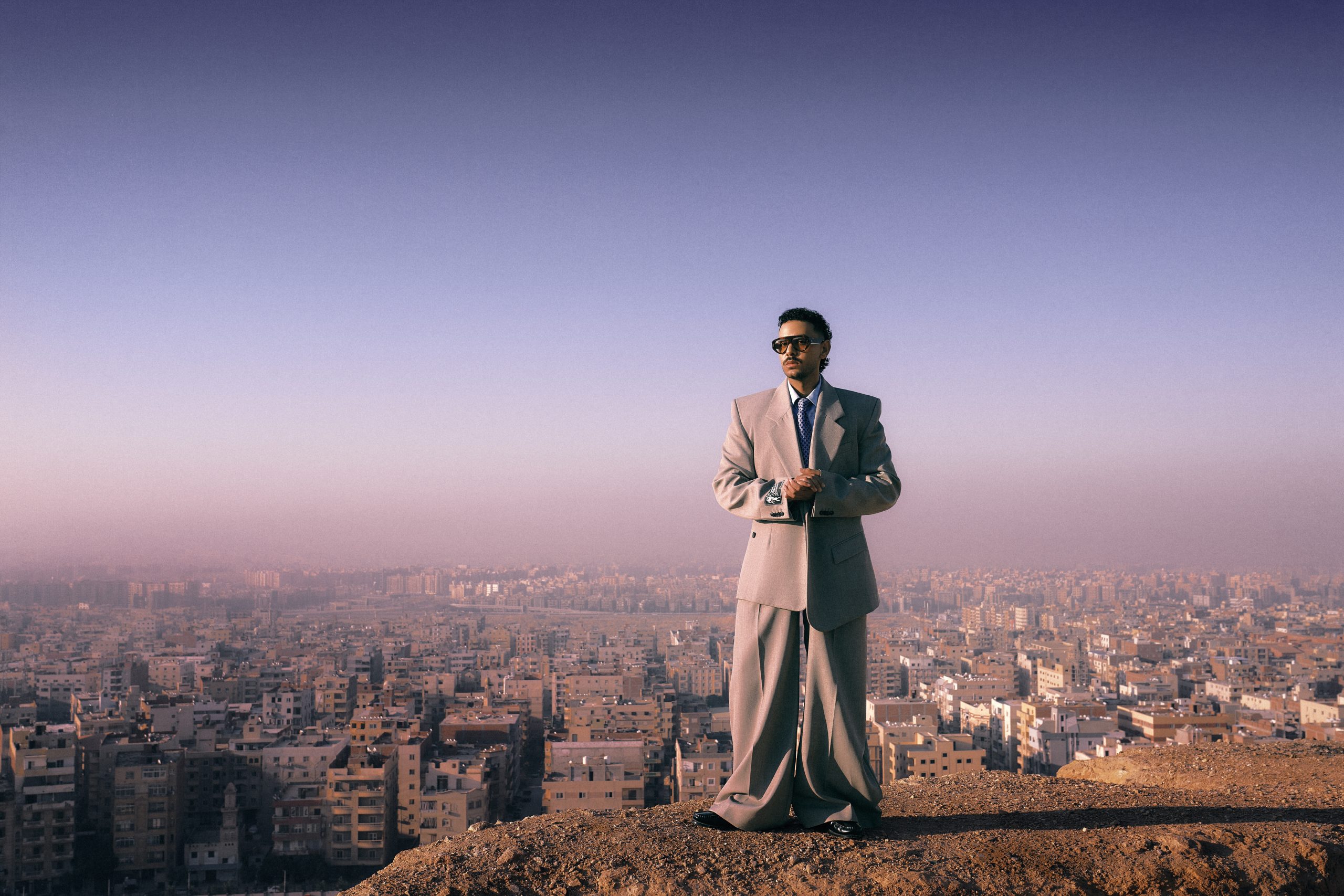
Egyptian rapper Mond is a striking example for this mindset shift: his gritty, black-and-white, street-smart aesthetic – one that feels marked by past scars and defiance toward the future – is inseparable from his presence and perception.
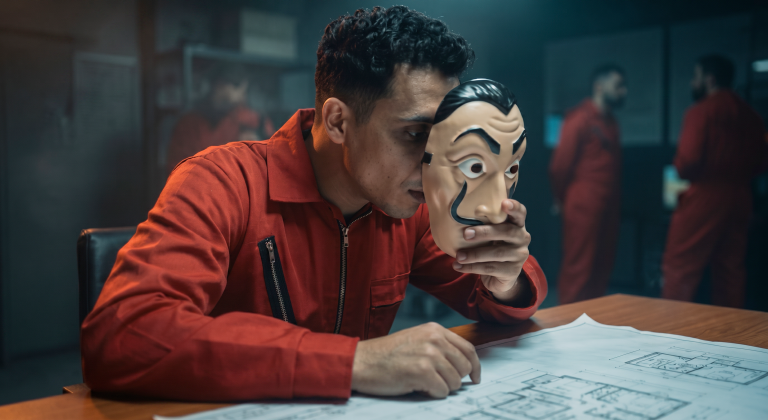
Mond’s latest music video, BZNS, arrives at the perfect moment for this conversation. A heartfelt story of brotherhood, struggle, and camaraderie that unfolds over four minutes within a restrained two-color palette. Vibrant, yet hauntingly dramatic.
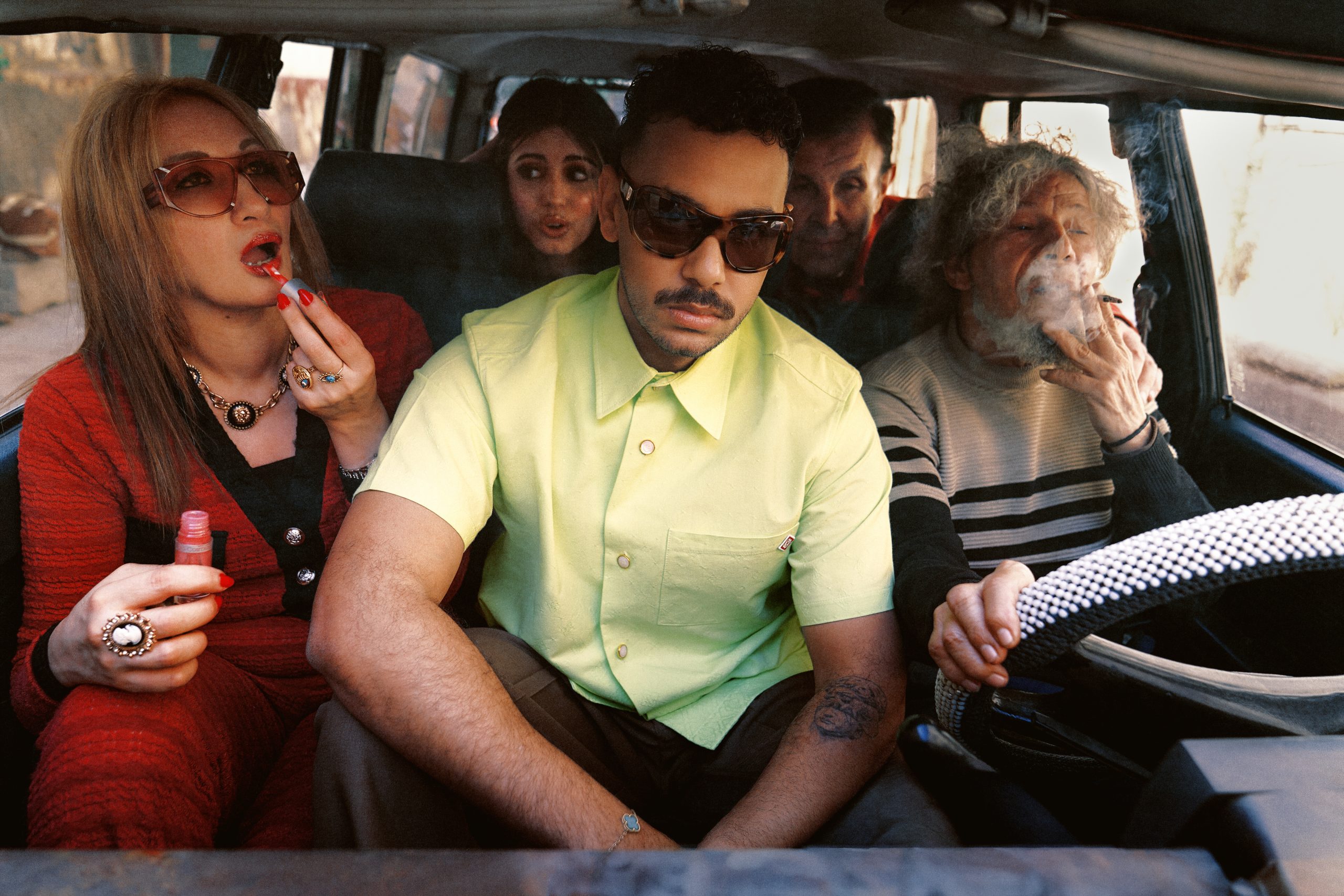
On the surface, it’s visually striking, thematically rich, layered in meaning, and visibly deliberate in its narrative and aesthetic choices. But beyond its immediate impact, it invites a deeper question: where do music videos currently stand in the region? Is this another one-off achievement, or a genuine leap forward that both artists and filmmakers can draw from?
To explore this, we spoke with the video’s director, French-Egyptian filmmaker, Ahmed Razeek, to reflect on BZNS and on the evolving relationship between musicians and filmmakers.
Watching BZNS, you’re left with the sense that the video’s world shouldn’t end there. Razeek agrees. “BZNS is just an introduction to a much bigger world, which is why it feels like a short film while watching,” Razeek explains. “It’s a parallel world seen from a different point of view. This video came from my feelings: it starts calm and quiet, then escalates like a fight – much like the cycle of life.”
Razeek speaks about BZNS as an attempt to restore narrative weight to the format. “Music videos can tell a story and still be visually striking. There can be a balance.” For him, the image does not have to compete with the music. It can carry emotion, atmosphere, and character, while remaining visually compelling in its own right.
That balance also extends to the relationship between sound and image. “Music videos don’t have to follow the lyrics exactly; they can intersect, complement, and add to each other.” In BZNS, the visuals move freely alongside the track, telling their own story rather than mirroring the lyrics word for word. The result feels fuller and more layered, as if the song and the film are in conversation, each revealing what the other chooses to leave unsaid.
For Razeek, artistic ambition and accessibility can exist in the same frame. The work does not aim to feel elitist or insular. It speaks to a wide audience, inviting viewers instead of narrowing itself to a niche. “There can be a sweet balance between being highly artistic and being accessible – this is something we worked very hard to achieve.”
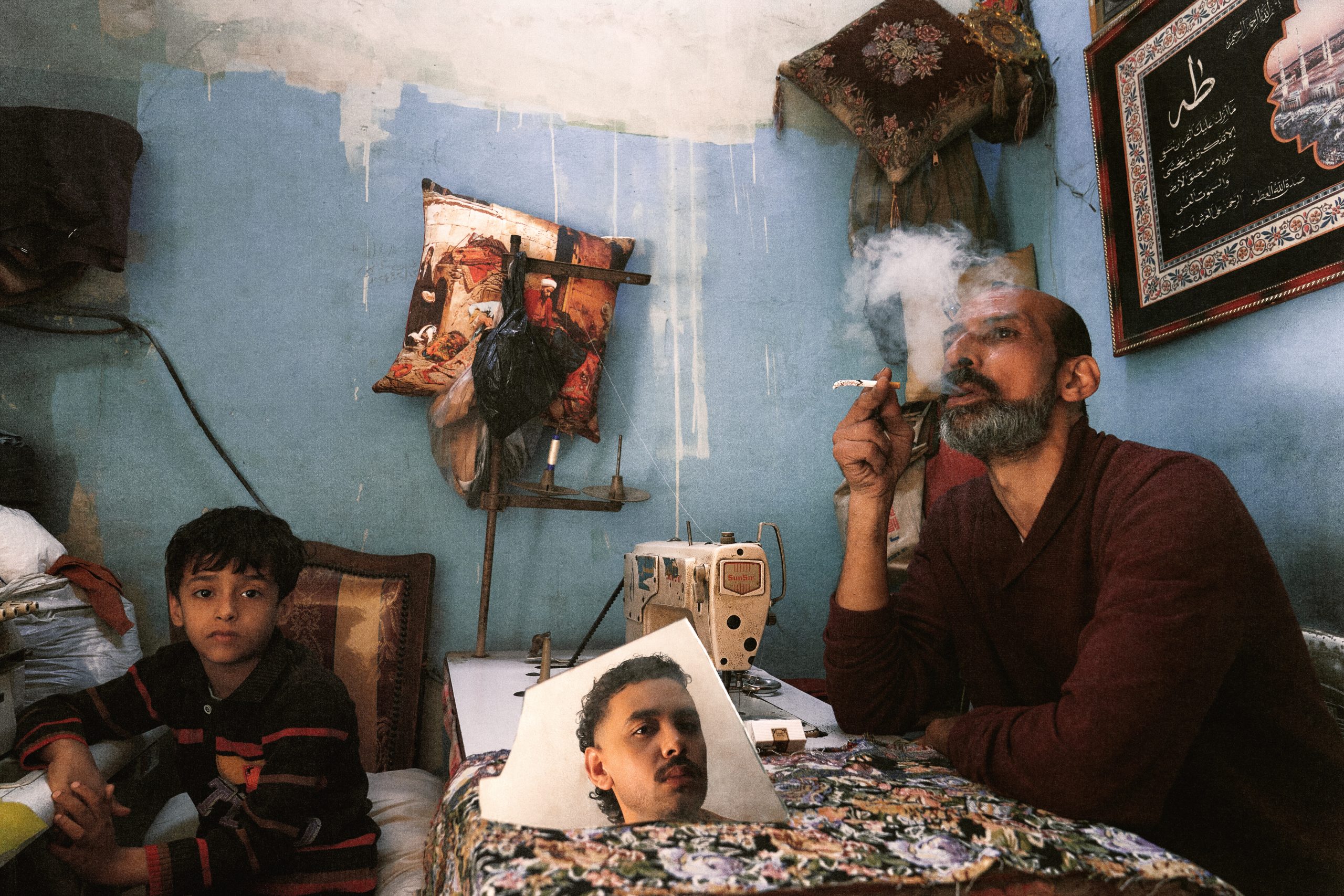
Works like BZNS remain relatively rare in the region. It’s uncommon to see a filmmaker use a song as a canvas for a personal story, weaving in cinematic references and revealing the experiences and passions that shape them as an artist.
“I’ve always been drawn to pulse-driven films that carry intensity and emotion – stories of violence, companionship, and relentless energy,” Razeek explains. “Films like Made in Hong Kon and Pixote left a mark on me, and with BZNS, I wanted to channel that same energy and pay homage to the genre I love through my own lens.”
Patience
But what is the most essential ingredient of a timeless music video? Not a one-off visually pleasing clip, but a video you return to again and again, because it becomes an integral part of the experience.
For Razeek, the foundation lies in the earliest stages. “The secret to a good music video is preparation. Many videos fall short because people try to rush and get things done quickly, without proper planning,” he explains. The pressure to move quickly, he says, remains one of the biggest obstacles in the region. “Everyone wants to finish a video quickly, but it needs its time.”
Timing, he adds, is critical. Filmmakers need to be brought in at least two months prior to the shoot, to allow time and space for vision development and alignment. “At the end of the day, this isn’t an ad. There’s no client. It’s just the filmmaker and the artist.” With that space to work, creativity flourishes. “If filmmakers get the time, audiences will see more unique work, where proper references and influences can truly appear.”
With the dazzling fast pace of the music industry today, as well as the prevalence of the advertisement industry in Egypt, music videos are often approached as quick hustles; PR stunts focused on attention grabbing and sheer promotion. Yet, they can, and should be approached as works of filmmaking. Short films are never treated as a disposable afterthought, and neither should a music video.
For Razeek, the patience and planning behind a project like BZNS allow the visuals to breathe, carry emotion, and reveal the director’s personality – all while letting the music and the image meet on equal ground.
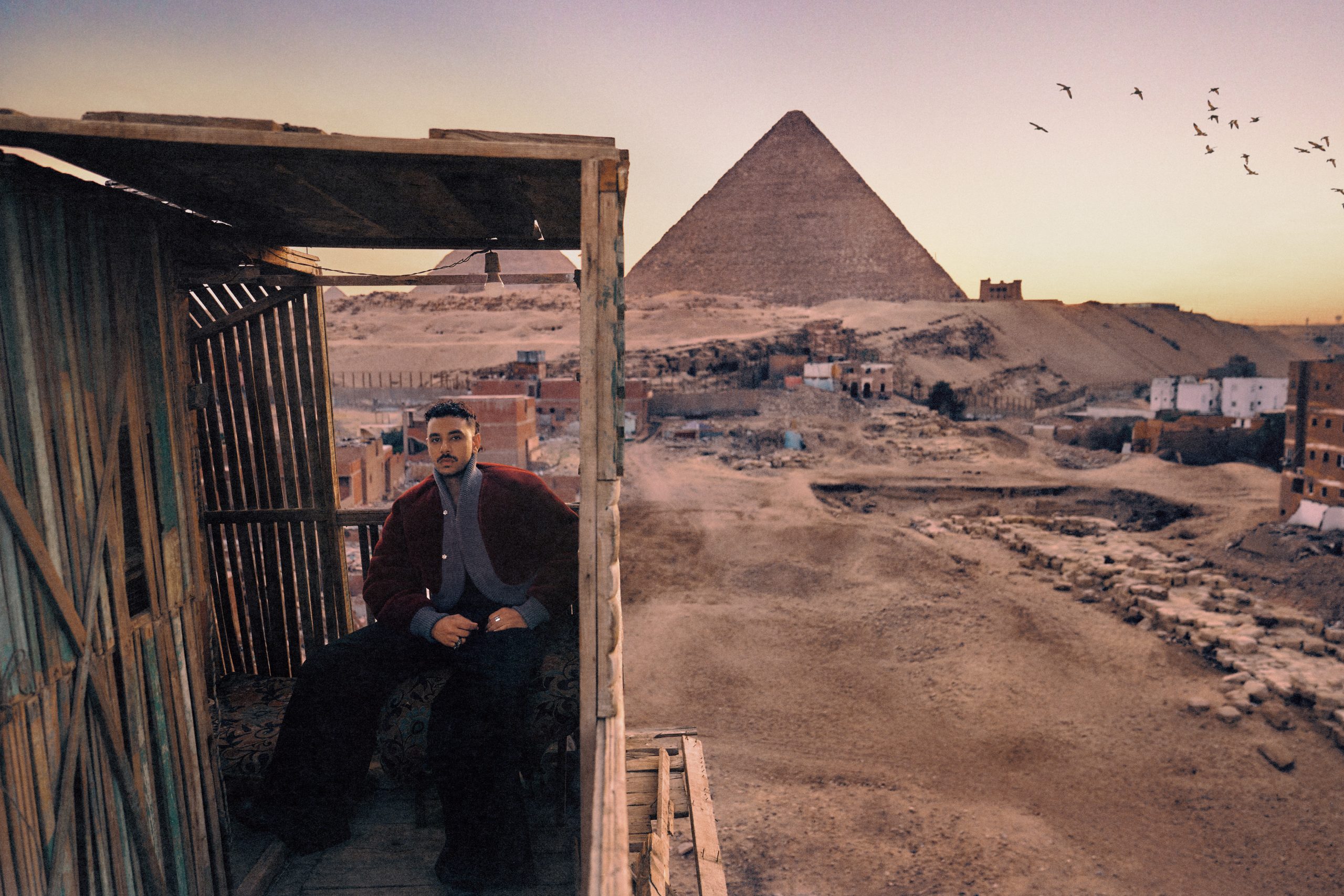
Still, ambition alone does not carry a project forward. Structural challenges remain, and Razeek speaks about them plainly. “Budget is still the biggest challenge. Not everyone believes in providing a proper budget for a music video.” Without financial backing, even the strongest ideas struggle to reach their full potential, leaving many directors working within tight limitations.
And beyond funding, he sees the industry itself at a transitional moment. “Filmmakers and musicians are still at the same starting point when it comes to music videos. Most are following the same path, but I believe this is about to change as their visions evolve.” There is movement, he suggests, a quiet shift taking place as creatives begin to demand more from the format.
However, at present, repetition still dominates. “Right now, the most common style is a basic one-man-show, which isn’t necessarily bad, but we need to explore different styles and themes – fearlessly.”
For Razeek, growth begins where comfort ends – beyond the familiar frame, beyond the rigid myth of the invincible man who monopolizes the camera. This is an argument for new textures, for vulnerability, for something more human. The dominant image need not disappear, but it must coexist with a softer, more honest counterpart.
But that evolution hinges on trust. In recent years, members of the film community have voiced growing frustration over musicians pulling their work offline – a move that can abruptly revoke a filmmaker’s exposure and undermine months of creative investment. “The musician must first believe in the filmmaker, so they can trust their vision and defend it. At the same time, the musician has their own vision, as it’s their music. Both need to compromise to meet in the middle.”
“We need to continue supporting one another. I personally received incredible support when the video was released, and that’s exactly why we should collaborate hand in hand – not just within Egypt, but across the entire region.” For him, the future of music videos does not rest on isolated successes, but on collective momentum.
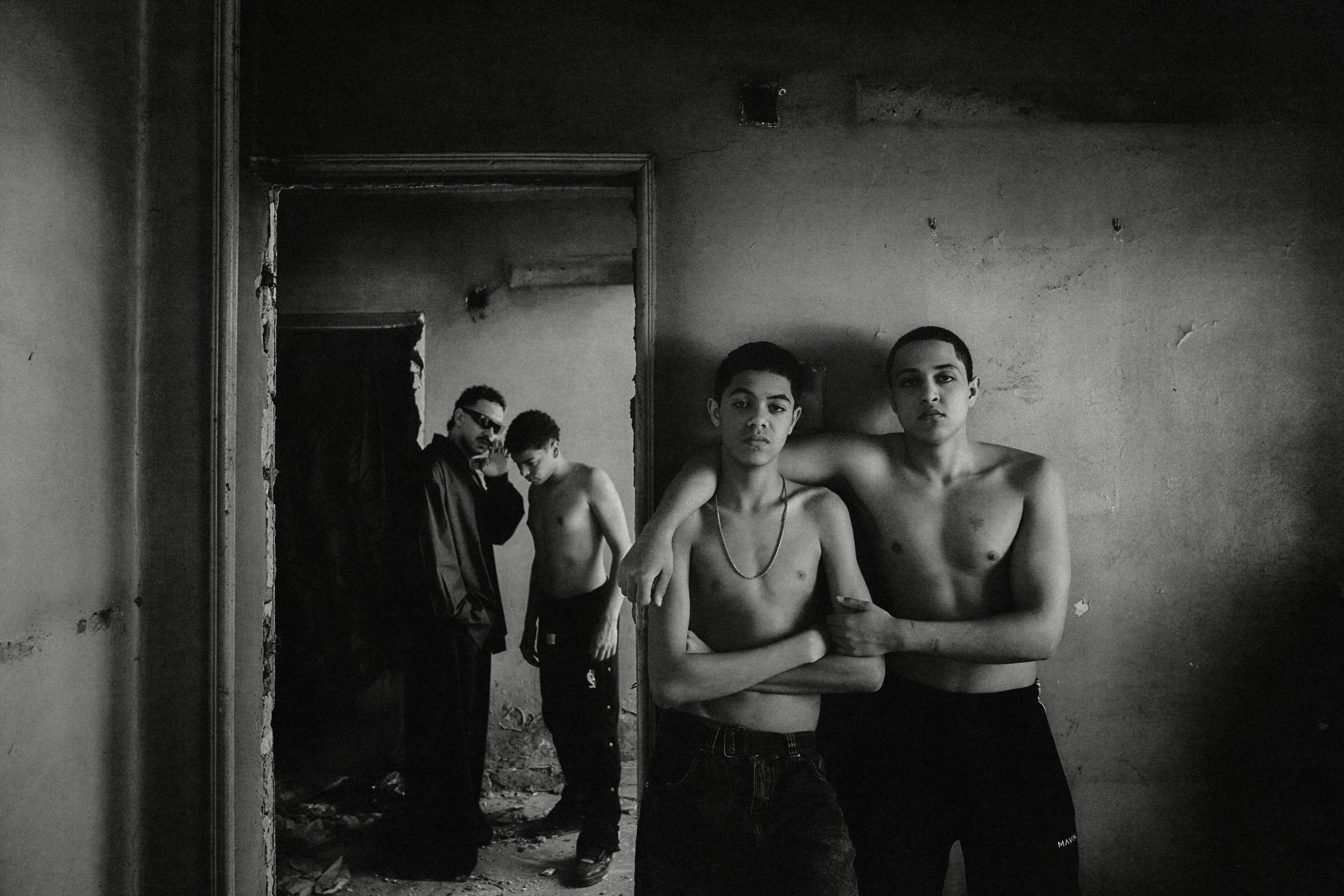
Looking ahead, Razeek hopes BZNS becomes a part of a much wider movement. “I hope BZNS pushes the boundaries of what music videos can be, and that we continue pushing forward together.” His words carry a shared ambition and a call to artists and filmmakers across the region to raise their gaze and treat the music video as a space worth fighting for.
Haven
Many firmly believe that the Egyptian film industry is currently going through a phase of stagnation, while others see it as weaker compared to previous eras. That decline can be attributed to several factors, a topic worthy of discussion on its own, but one of the main reasons is the lack of artistic freedom to navigate certain creative territories due to the prioritization of profit above all else, despite some exceptions.
Within that atmosphere, alternative forms of conventional feature filmmaking become spaces for filmmakers to breathe, particularly short films and music videos.
“I think music videos in Egypt today should be looked at differently. They are no longer just promotional tools around a song, they can become real cinematic spaces.” Razeek says.
“What interests me in the format is the freedom it allows. In a few minutes, you can build a world, create characters without overexplaining them, work with rhythm in a very instinctive way, and capture the energy of a place like Cairo with a kind of immediacy that is harder to find elsewhere.” Razeek added, stressing that he sees music videos as an extension to short films: “The song becomes the emotional structure, but around it you can create atmosphere, tension, memory, faces, movement and a whole visual language. It becomes a way of making cinema through music.”
The current condition of the film industry has naturally pushed many filmmakers toward music videos, not necessarily as an alternative born out of limitation, but as a medium with its own creative possibilities and cinematic potential.
“I do think that when traditional cinema becomes harder to move through, music videos can become a more open space for filmmakers. But I don’t see that as a compromise, or as a second choice. I see it as a format with its own power.” Adding that a music video allows you to “take risks with form, editing, performance, symbolism and visual storytelling. It can be more instinctive, more physical, sometimes more alive.”
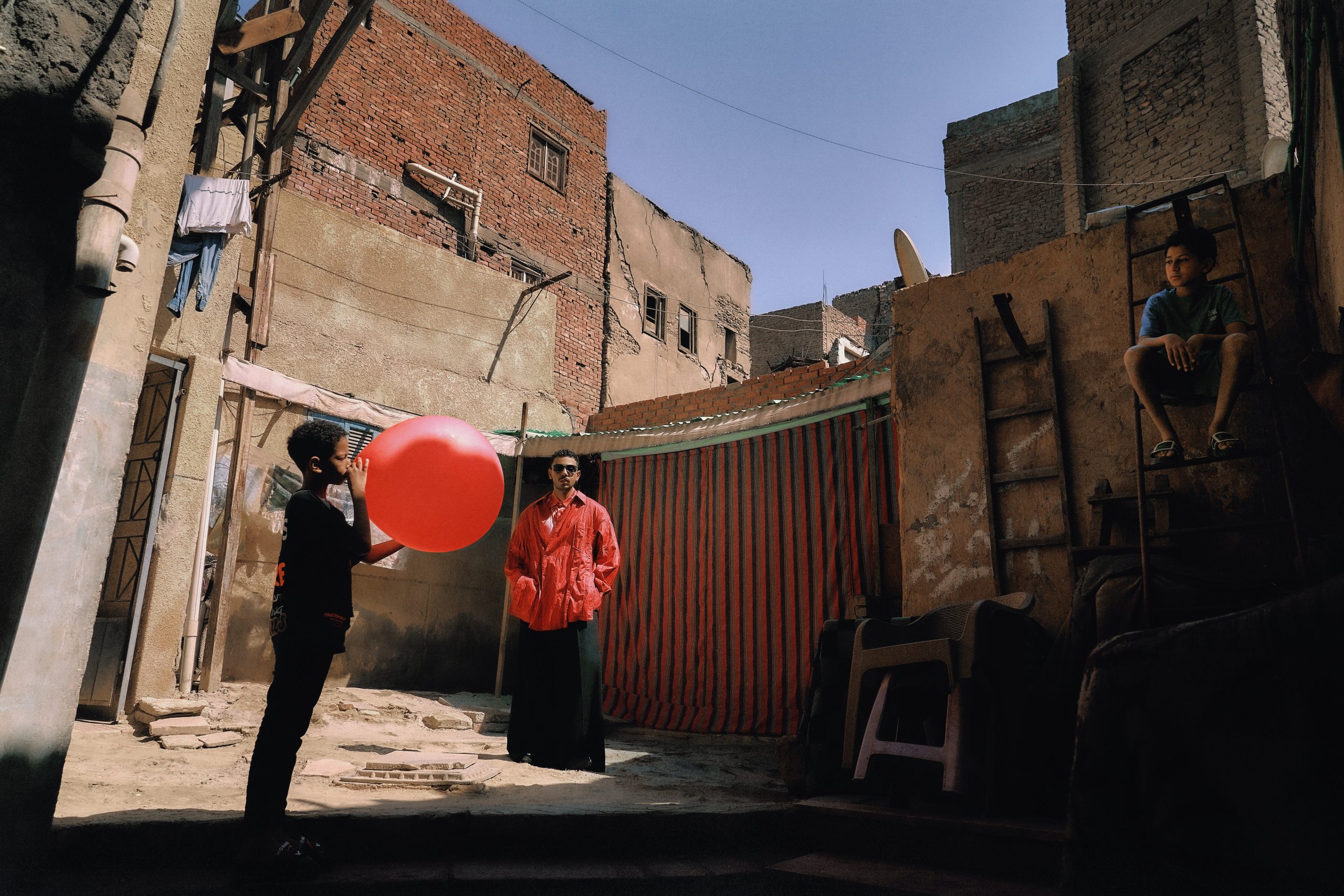
This approach has to do with creative intersectionality as well, as borders between various visual mediums continue to blur: “For me, the future is not about separating cinema, music videos, fashion films or branded films too much. The most interesting work today lives between these forms, and that is the space I’m most interested in exploring.”
Perhaps the creative leap happening in alternative filmmaking spaces will eventually reshape the commercial film industry – or maybe transformation within the Egyptian industry itself will spark that shift from within. Either way, there are signs that change is slowly emerging. And after everything the region has experienced over the past few years, there are now more stories than ever waiting to be told, confronted, and illuminated.