The year is 2014. The place is Sinjar. The Yazidis – a religious minority situated within the broader Kurdish population of northern Iraq – became the target of one of the 21st century’s most systematic campaigns of mass-murder. The so-called Islamic State did not merely attack; it pursued a deliberate project of eradication. What unfolded was a genocide: mass killings, widespread abductions, and the institutionalization of sexual violence, carried out over years until the group’s territorial defeat in December 2017. It was a deep-rooted expression of religious, ethnic, and racial animus.
Yet, despite its scale and brutality, the Yazidi genocide often occupies a marginal space in global memory. While the crimes of ISIS have been extensively documented, the specificity of the Yazidi experience – its depth, its targeting, its intent – has too frequently been overlooked.
This erasure is not incidental. It reflects a longer history in which Yazidi communities have existed at the periphery: misunderstood, socially and politically marginalized, and persistently excluded from dominant narratives.
For centuries, the Yazidi heartland has centered around Shingal Mountain in northern Iraq, a hundred kilometers of peaks rising to 1,400 meters, where Yazidis built villages, farmed orchards, and lived according to traditions passed down through generations.
Against this backdrop, documentation becomes an obligation. From an unexpected vantage point, English photographer Emily Garthwaite continues to undertake a sustained effort to capture fragments of Yazidi life beyond the frame of victimhood, alongside NGO Regenerate Shingal. Her photographic work resists the reduction of a people to their trauma, instead looks at how Yazidis are rebuilding their community with dignity.
She chose to live among and collaborate with them – to inhabit their daily rhythms, to witness life as it unfolds, and to draw as close as possible to their lived reality. It was an attempt to understand from within, to momentarily transcend the distance of origin and, through empathy, approach what it might mean to be Yazidi today.
We spoke with her in pursuit of a more grounded and historically informed understanding of the community. Our aim was not only to examine the motivations and methodologies underpinning her work, but also to interrogate the ethics and implications of representing a people so frequently spoken about, yet so rarely afforded a voice of their own.
Through this lens, the Yazidis emerge not as distant subjects of tragedy, but as a community defined by resilience, complexity, and continuity.
The Dawn
Emily’s entry into Iraq unfolded against a moment of acute regional volatility, arriving in 2017 to document the Arba’een pilgrimage (the annual pilgrimage of Shia muslims to Karabala, Iraq). “I had never been to the Middle East. In 2017, the battle of Mosul was still raging. Most of the men in the south were fighting in Mosul and surrounding areas. I visited many homes filled only with grandmothers, mothers, sisters, and daughters.”
Emily recalls the stereotypes that shaped her early perceptions in the United Kingdom, noting how profoundly she was struck by the dissonance between lived experience and its mediation.
“I had grown up seeing pictures from the Iraq war in newspapers. I remember the day the images from Abu Ghraib were released. I saw the photograph of an Iraqi detainee standing on a box with his arms outstretched, wires attached to his fingers, and a dark poncho covering his head.” Adding: “After seeing that image, the word ‘Iraq’ sparked fear. That memory never left me; I knew that photograph represented a truly evil act but never knew the context until later in life.”
That early formation of perception sharpened her awareness of how deeply such narratives persist beyond the moment of exposure. “When I came back from the Arba’een pilgrimage, I began to hear much more clearly the level of Islamophobia,” she recalls. “I would describe what I had seen, and in return I’d get these passing comments – casual, racist, Islamophobic remarks about me having been to Iraq, even about the idea that I might have converted to Islam. That’s when I started to realise the gap – and I kept thinking, how can these two realities, so far apart, ever be reconciled?”
In its essence, Emily’s work is driven by an attempt to close that gap – between experience and its representation – a process that began in advocacy and awareness, but gradually evolved into a more sustained reorientation of focus.
By 2019, she had relocated to Erbil in Iraqi Kurdistan – shifting away from the immediacy of violence and toward what exists beneath its surface: the quieter, often unrecorded registers of everyday life.
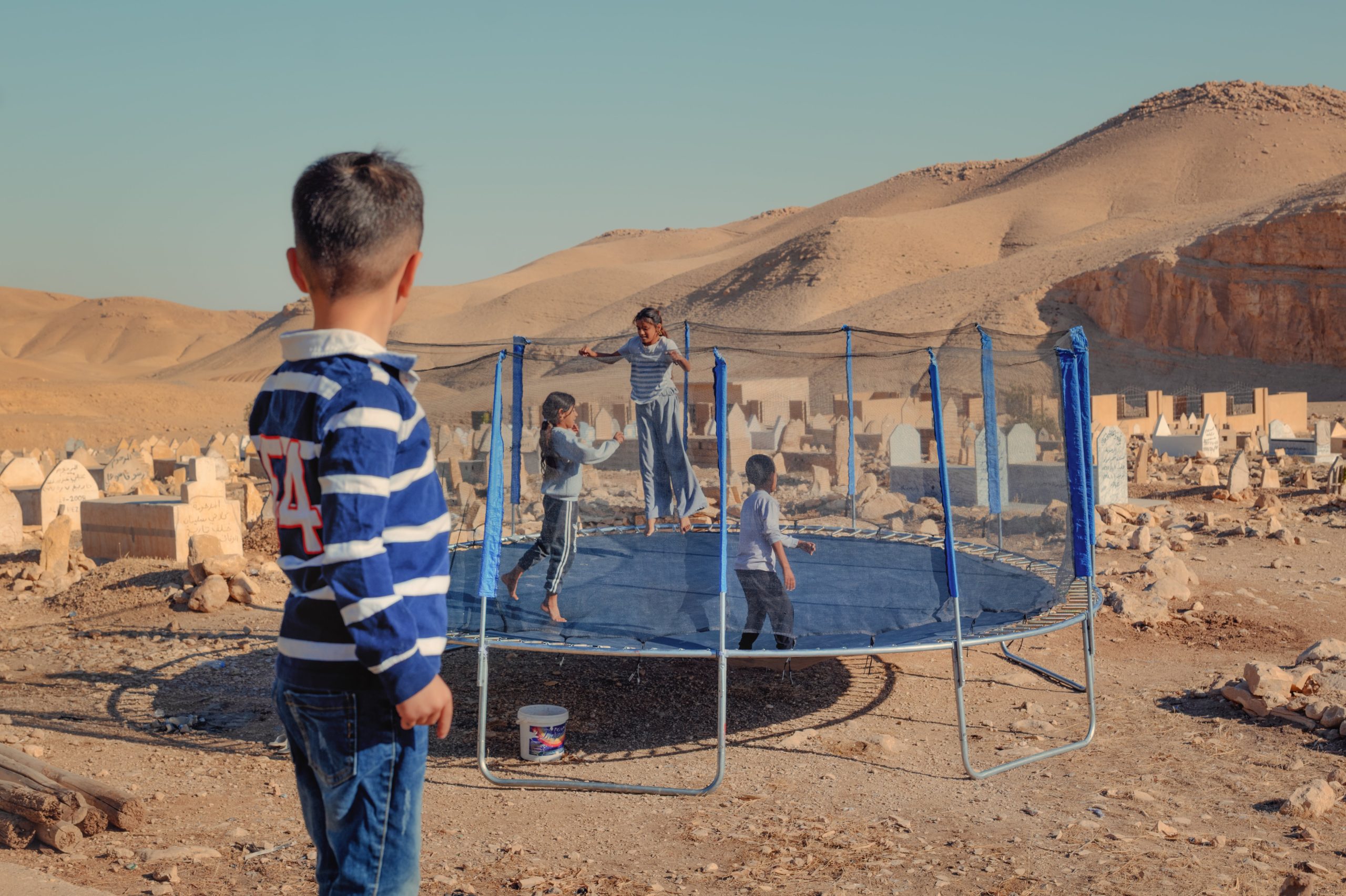
“The war had ended, and all the journalists had left. It was the worst time to be there as a journalist. No editors wanted to publish anything outside the conflict. Nobody wanted to hear about the poet, the musician, or the gardener. But I stuck it out. That’s when things became most interesting: witnessing the ingenuity of people, how they rebuild, problem-solve, and start again. I’ve been incredibly lucky to cover Iraq’s reconstruction over a decade.”
Despite her extensive work in Kurdistan, Sinjar remained persistently elusive – its inaccessibility shaped by deliberate restriction. “Borders there are always difficult. They often closed for months at a time, and no one commissioned assignments because it was deemed too dangerous.”
“I waited, thinking that when the time came, I would have more time with the community. During this time I moved to the town of Akre in Kurdistan, I was within reach of many Yazidi communities and IDP camps. Over the years, I developed relationships and later joined the Yazidi community for their Autumn Assembly festival in Lalish.”
But Emily was not one to yield easily; her commitment to her mission, combined with patience and persistence, ultimately granted her access to Sinjar. “In 2024, I had a fleeting visit to Sinjar with an NGO but it wasn’t until 2025 that I could enter Sinjar for an extended period of time. ” Emily explains. “That was thanks to Sister Makrina Finlay, a Benedictine nun based in Dinklage, Germany.”
“In Germany, where a significant Yazidi diaspora settled after the genocide, Christian churches created a church asylum system,” she continues. “The monastery in Dinklage has so far taken in 170 Yazidi refugees.”
With support from Jerry White, an American activist whose landmine-ban work won the Nobel Peace Prize in 1997, Sister Makrina founded Regenerate Shingal. Together with Ahmed Shamo, she found a suitable plot of land for a farm. She connected with Volker Kranz, a permaculture expert from Bremen whose speciality is sustainable land use that imitates natural cycles. Together, they began to ask: what would it take to make Shingal livable again?
Emily describes Sister Makrina as someone who became deeply embedded within the community itself. “Sister Makrina, who is fluent in the Yazidi dialect of Kurmanji, works with Yazidis across Germany and Iraq through the NGO Regenerate Shingal, a nonprofit committed to regenerating Yazidi life in Sinjar through cultural, ecological, and social restoration.”
“It emerged from deep relationships between the Benedictine nuns in Dinklage, Germany, and Yazidi refugees who arrived after the ISIS genocide, and is grounded in a shared understanding of hospitality and the sacredness of life,” Emily says.\
The Weight of Expulsion
Many people are unaware of the diaspora’s existence, but she clarifies it with stark, often harrowing realities that reflect the lasting trauma. “It’s a vast and, at times, very isolated diaspora that deserves greater psychological support. A high percentage of Yazidis were either detained or raped and abused at the hands of ISIS and everyone in the community, without exception, has friends and relatives who were killed or abducted. Many went directly to Germany after the genocide, and suicide rates still remain very high in the community, be it in Sinjar or in the diaspora.”
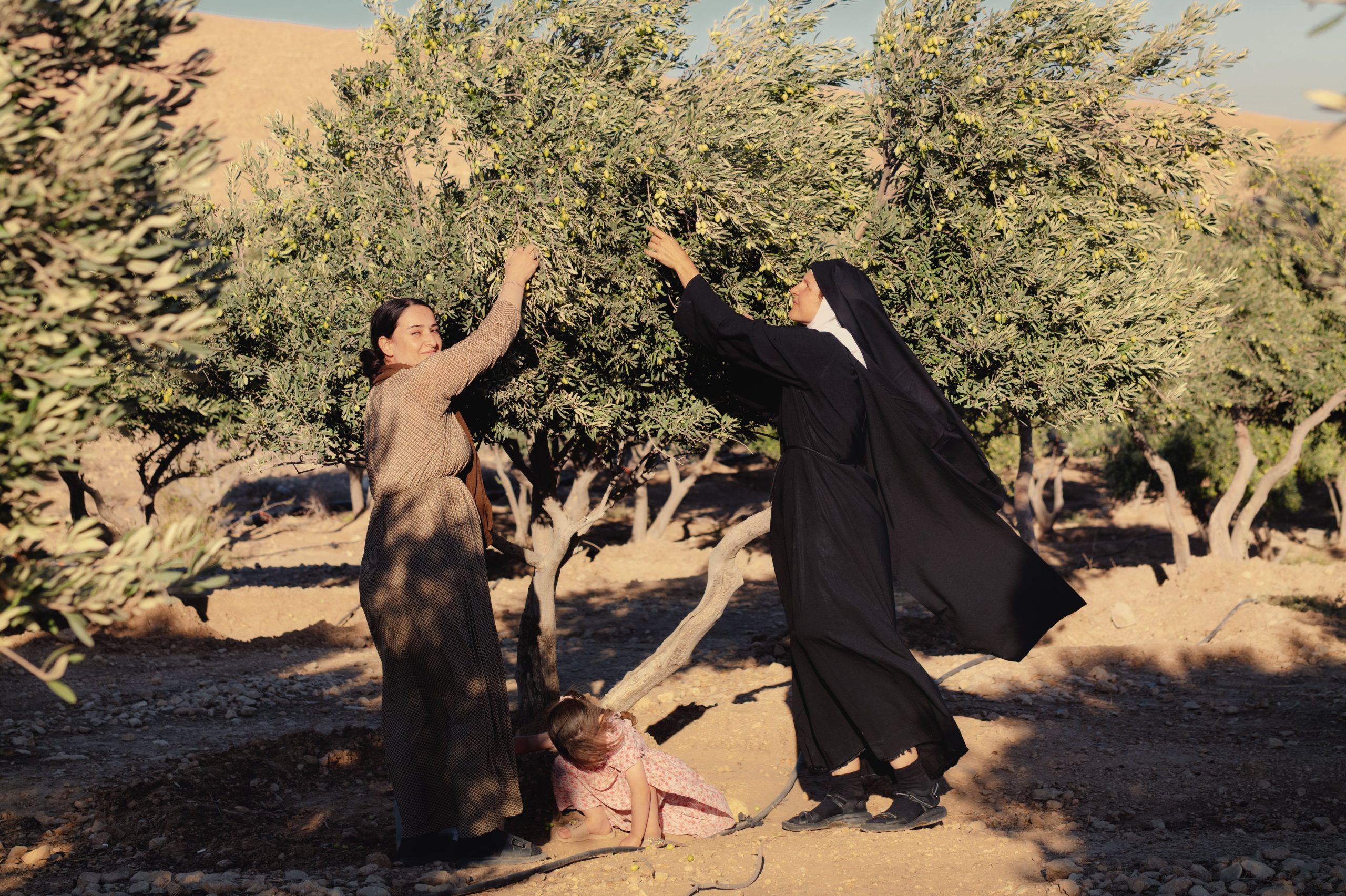
The challenges to the Yazidi community are very knotty, both in diaspora and at home: the impossibility of joining the faith from outside, a principle that renders the community inherently insular and, consequently, cautious, if not wary, toward outsiders. “You can’t join Yazidism; you must be born Yazidi. It’s a very small minority community. Marriage and continuation of the community become difficult. Many say this dispersion was the true genocide. Festivals are important for meeting others in the community and opportunities for marriage.” Emily says.
Emily’s observation underscores how the Yazidi community is shaped as much by structural and religious boundaries as by external pressures. The impossibility of joining the faith from outside creates a social framework that simultaneously preserves cultural identity and exposes the community to vulnerabilities, particularly in the aftermath of displacement and genocide.
Yet the extent to which this principle stems from religious ideology alone, and the extent to which it has developed out of historical necessity, is far more complex. As an indigenous community with religious roots stretching back thousands of years, the Yazidis have long been shaped by the need to preserve themselves in the face of repeated attempts at eradication. Over the past 800 years, Yazidi history has recorded 74 genocides, or “fermâns,” carried out against the community.
These pressures continue into the present. Under Iraqi law, if a Yazidi marries a Muslim, the children are automatically registered as Muslim. In that context, endogamy becomes one of the few remaining mechanisms through which the community can sustain itself at all.
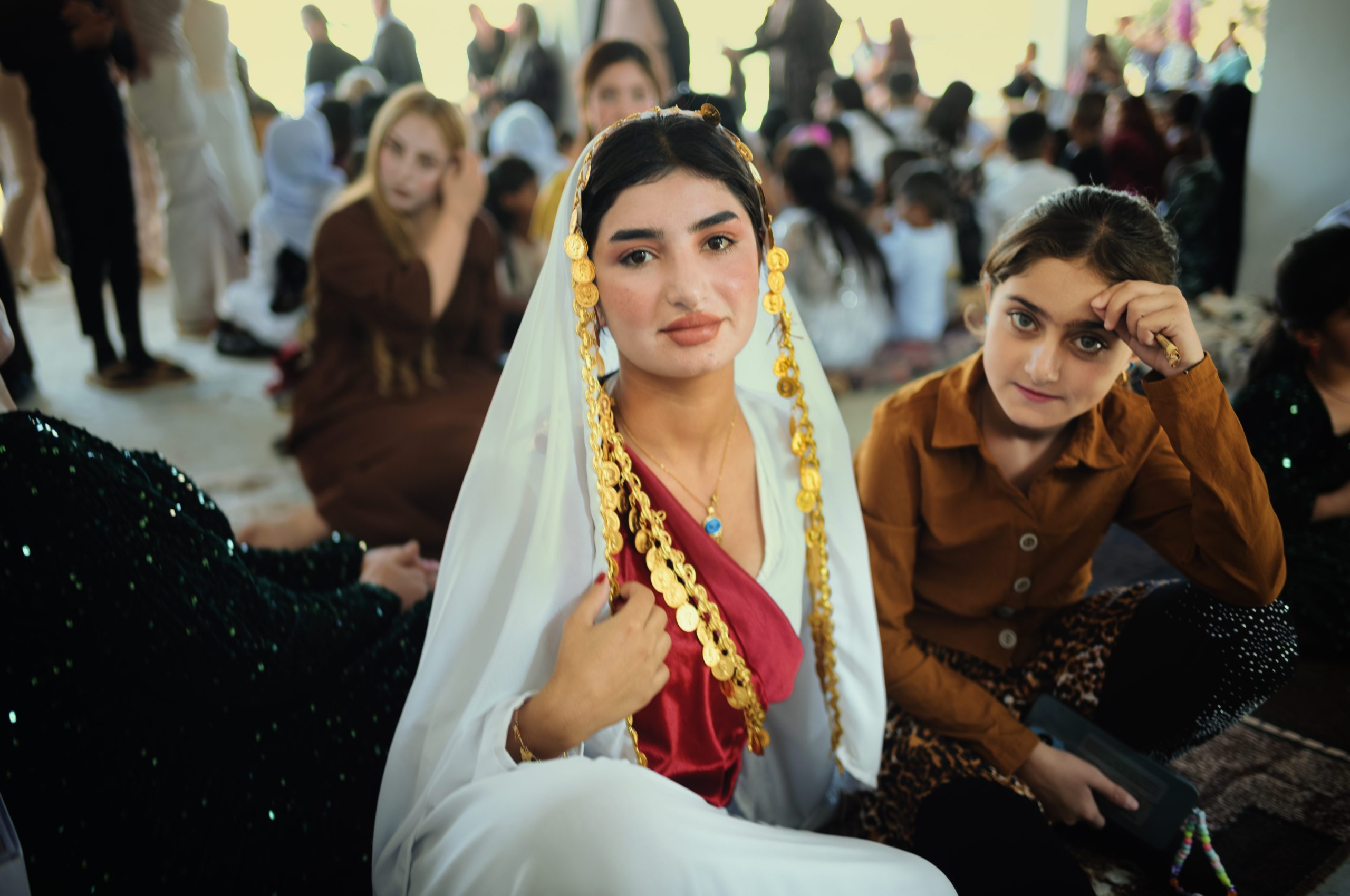
With a relatively small population, every marriage, festival, and communal gathering takes on heightened significance. Diaspora dispersion is an existential threat to the social and religious structures that allow the Yazidis to maintain continuity across generations. Festivals, hand-crafted rituals, and communal forms of gathering therefore function as strategies of preservation and survival.
Yet this fragile system of continuity takes on a different weight once it is carried into the geography of exile and return.
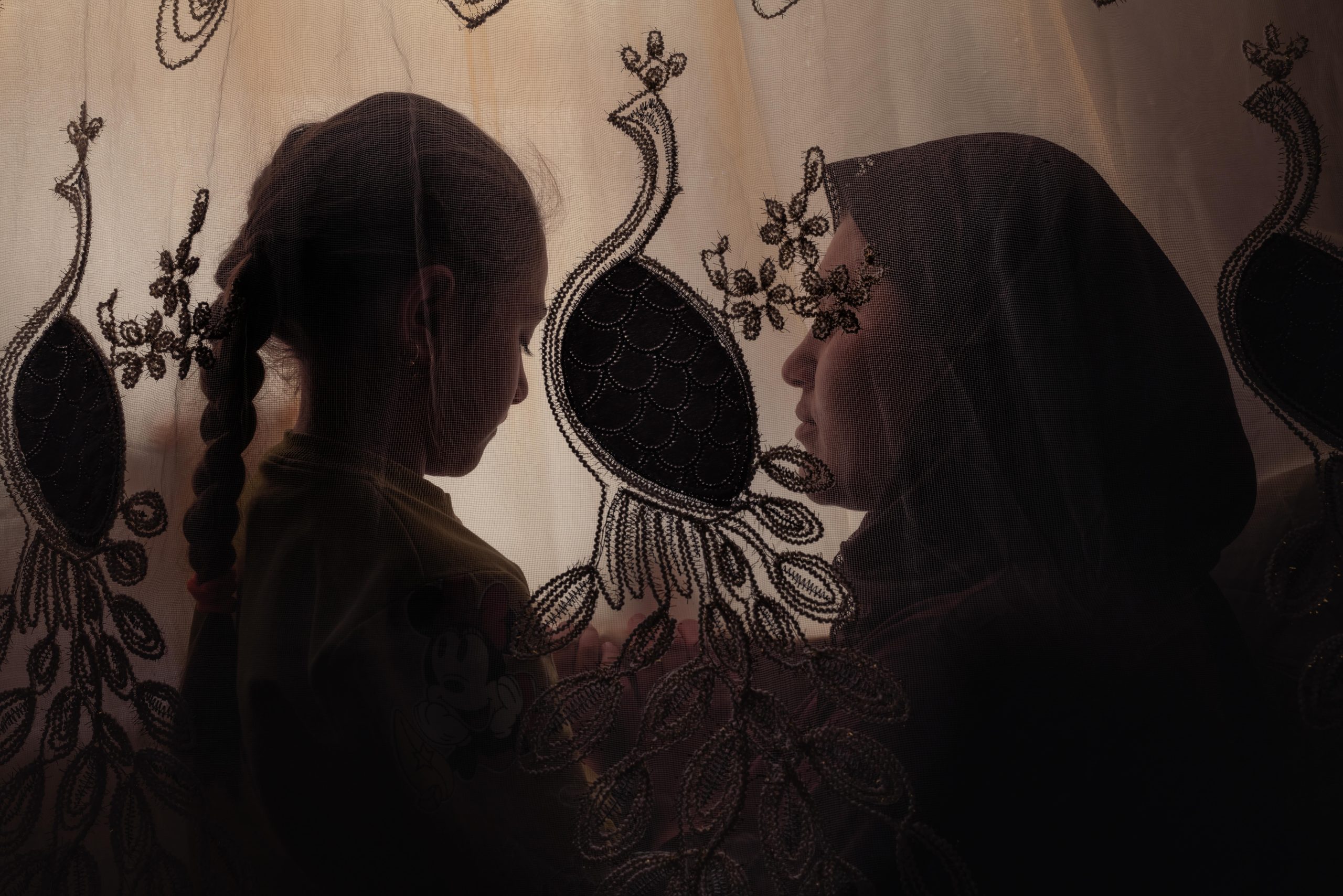
The Yazidi experience in the diaspora reveals a stark asymmetry between displacement and return, where integration abroad coexists with structural abandonment at home. As Emily notes, “Many Yazidis, especially the youth, love their lives in Germany and other countries where they have settled – there is stability, real access to healthcare and education, basic human rights.” Yet that stability remains precarious. “There are increasing cases where Yazidi families were deported from Germany back to Sinjar, and they fall into depression, missing out on access to sufficient medical care, education, basic infrastructure and community.”
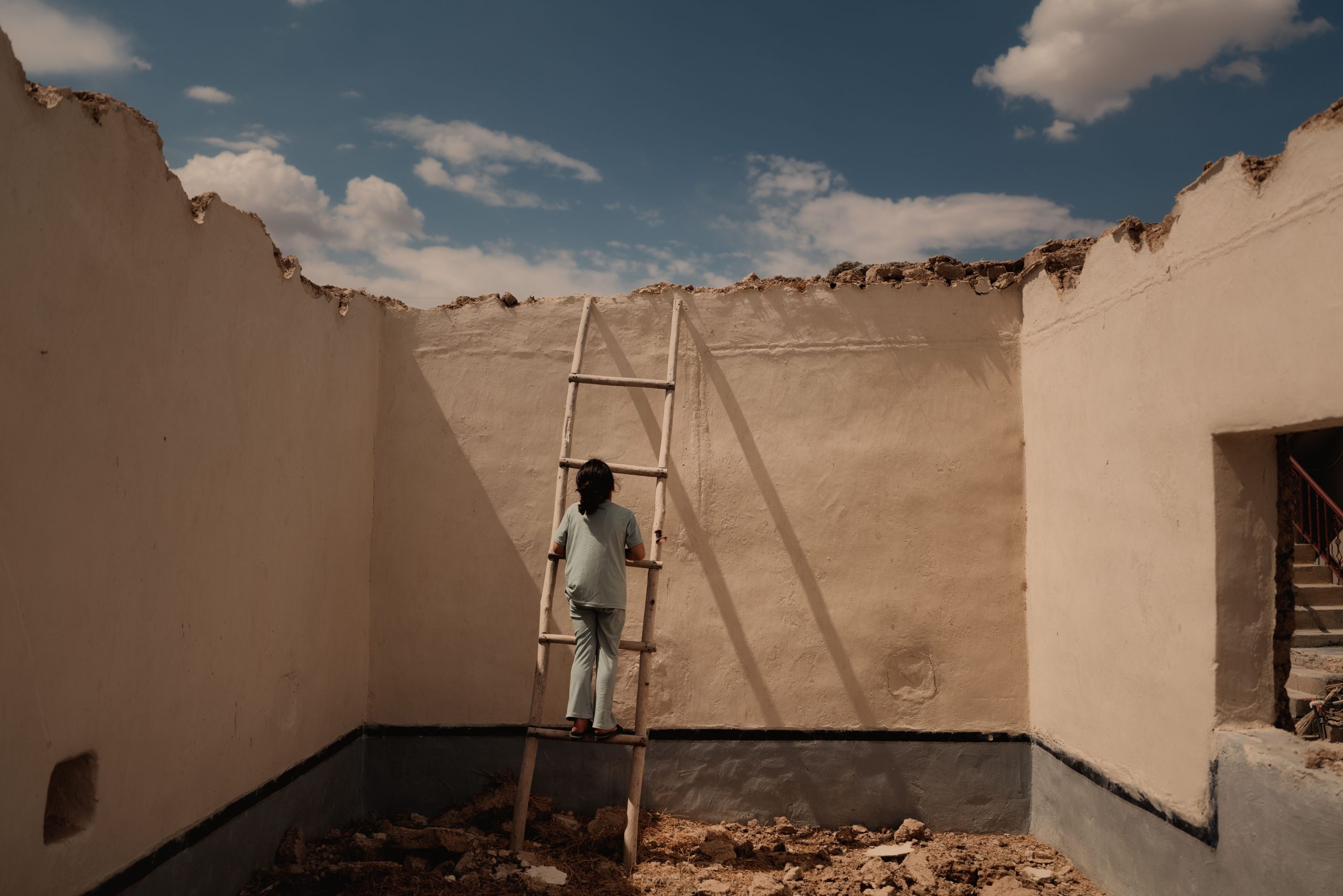
The contrast, she suggests, is immediate and unforgiving. “Currently, Sinjar simply doesn’t have the infrastructure to support people’s health or education – even something like pregnancy and birth is entirely different there than it is in Germany.” While some parts of Iraq have undergone rapid reconstruction, others remain suspended in the aftermath of war. “If you look at Mosul, it has been revived very quickly – there are five-star hotels, fine restaurants, and UNESCO remains heavily involved in the restoration. But Sinjar, to this day, looks as if the war has just ended.”
Return, then, is less a choice than a deferred condition. “They all want to go home, of course, but they can’t until certain things are in place – and that won’t happen until regional governments invest the necessary resources, which they’re simply not doing.”
It is in disparities like these that questions of priority come into sharp focus – where certain cities are deemed more urgent, more worthy of reconstruction than others. Beneath this uneven recovery lies a long-standing pattern of marginalization that continues to shape which places are restored, and which are left behind.
Lost in Conversation
In the crowded discourse on Middle Eastern minorities, the Yazidis are often conspicuously absent. Yet it is precisely this uneven logic of visibility that helps explain the Yazidis’ persistent absence from the same discourse. They do not occupy positions of political leverage, nor do they possess the demographic scale or armed structures that often force minority groups into international attention.
The Yazidis remain so marginalized that most people, across the region, are unaware of their very existence. The roots of this erasure are rarely examined, reflecting a broader pattern of historical neglect and systematic invisibilization.
In Emily’s reading, this marginalization is not simply a matter of omission, but one shaped by deeper historical and political layers. “I think I’ve come to understand a little bit of why,” Emily traces much of this neglect back to colonial legacies, emphasizing that the marginalization of the Yazidis is rooted in longstanding historical dynamics.
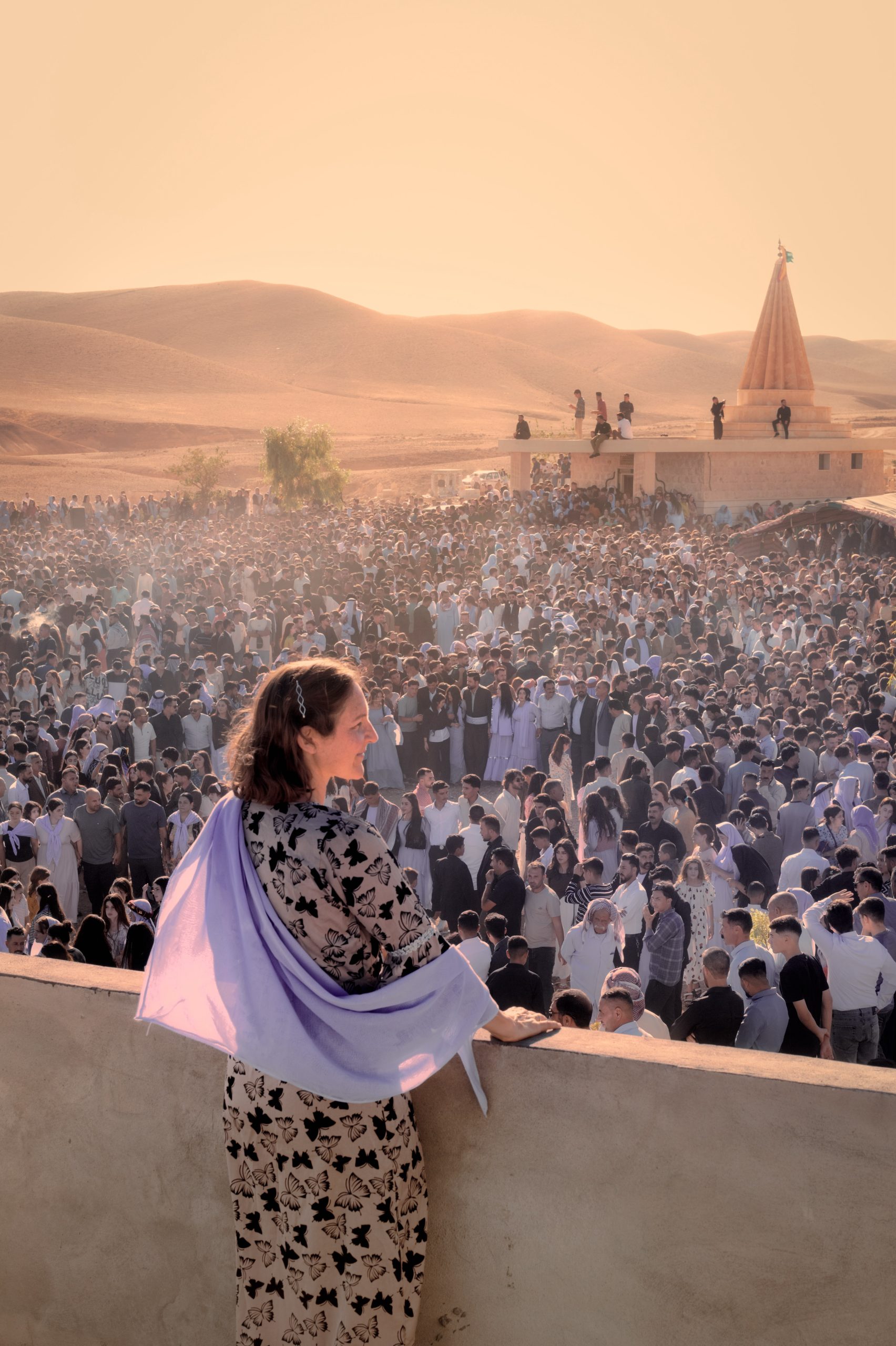
“Most of it is linked to British colonialism as well. When the British came, Yazidis were already perceived as devil worshippers. Westerners did not necessarily accept this description but it made Yazidis seem exotic and mysterious – the complete “other”. There is a German children’s book ‘Through Wild Kurdistan’ that was written in 1892 and remained popular until at least the 1980s. On nearly every page, it referred to Yazidis as devil worshippers. This was often done ironically or comically but it shows just how pervasive this perception of Yazidis was. The dozens of genocides to which they were subjected shows just how dangerous this could be.” Emily explains.
Over decades, these stereotypes were the fuel to justify persecution and genocide whenever it seemed politically savvy. As long as Yazidis are perceived as the “other” in “us against them” narratives, this problem will persist.
However, the conventional framing of ISIS as an abrupt historical break obscures the deeper regional conditions in which it took shape. “ISIS drew recruits from across the region, including, in some cases, from neighboring communities, a reality that makes the political conversation around the genocide deeply uncomfortable and contested.” Emily says.
When viewed without sanitization, the reality is that many who joined ISIS were ordinary individuals who harbored profound contempt for vulnerable groups such as the Yazidis, and whose hostility found an outlet through the emergence of ISIS.
Emily decides to continue with her work. Her project, she explains, is about documenting the revival of Yazidi traditions, moving beyond the narrative of victimhood, without limiting them to a certain tragedy, where they have many more layers. “A more holistic perspective for the community, one they partake in, rather than always being seen through the lens of genocide.”
The media’s focus on trauma, particularly sexual violence, often obscures the Yazidis’ agency and resilience. Emily recalls arriving in Iraq shortly after ISIS and observing how “all the pictures and stories were just about the women who survived ISIS… portraits with captions describing sexual violence” Yet, she notes, many of these women went on to rebuild their lives, pursuing degrees, master’s studies, and marriage, insisting on reclaiming authorship over these narratives.
This narrow lens overlooks other dimensions of this community that deserve a deeper and more attentive reading. “It’s an incredibly rich and complex ethnic and religious identity,” Emily explains. “Some identify purely as Yazidi, while others identify as Kurdish Yazidis. In Sinjar, people only identify as Yazidi, not Kurdish. In other parts, you’ll find people saying, ‘We are Kurdish who are Yazidis.’ So there are crossovers to be respected and understood.”
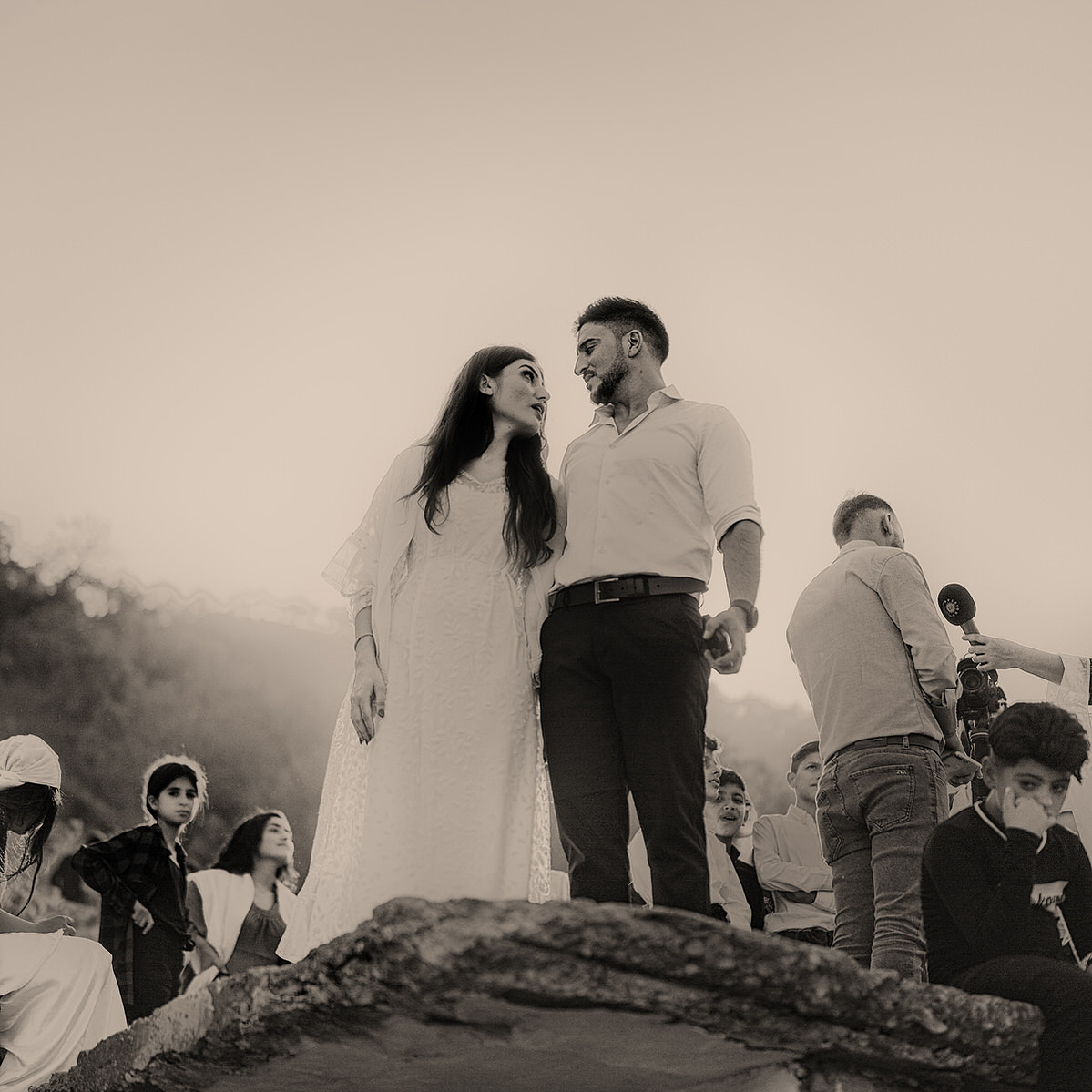
Beyond labels, she emphasizes, their relationship with the land and everyday practices is deeply spiritual. “Everything they do is about the soul and Xêr – their olive oil, their farming, their rituals. Even their religion is primarily oral; they have some texts, but most knowledge is passed down by word of mouth. I just wish people would start looking at them from a different angle than simply that of the genocide. And this is where it felt natural to partner with Regenerate Shingal, co-led by Sister Makrina Finlay and Ahmed Shamo, a Yazidi engineer.”
Into the Everyday
Gaining access to the Yazidi community is rarely straightforward – arguably as challenging as entering Sinjar itself. “I was incredibly lucky because I came with Sister Makrina, who’s considered a member of the community in Germany and Sinjar, and whoever she brings is always accepted entirely as a family member,” Emily recalls.
“It required both patience and the facilitation of trusted insiders. Living within a family home, sharing everyday routines and meals, I was able to capture intimate moments that would have otherwise been inaccessible. The linguistic fluency and cultural knowledge of Sister Makrina, who speaks Kurmanji in the Sinjar style, further opened doors to family gatherings, funerals, weddings, and festivals, giving me unparalleled insight into Yazidi customs.”
This immersion allowed Emily to witness life not as a visitor, but as someone who became part of the household.“I just wanted to see everyday behaviors – picking olives and getting into the car, having a ride. The trust the family placed in me changed my presence. I was no longer perceived as a guest, and people relaxed into their natural selves. Even moments of minor tension – arguments about what to wear to a festival or emotional flare-ups – they were comfortable enough to have me witness them.”
These moments became central to Emily’s narrative, allowing her to capture the texture of ordinary life rather than staged performances or frozen poses. In doing so, they opened up a deeper, more intimate understanding of the community – one that moves beyond the constraints of conventional journalism.
“What makes this work in Sinjar different,” Garthwaite explains, “is that it’s not just about fixing what was destroyed. It’s about rebuilding relationships between people and the land. Between soil and water and what grows. That’s what takes time. And It felt so liberating, to not be that sort of guest, where everyone is trying to be on their best behavior. That’s what made the work so strong. They just let me do my thing,” Emily says. The resulting photographs and observations reveal the nuance of daily life in a community often defined in media solely by trauma.
That sense of ease and trust often surfaced in the smallest, most unguarded moments. Emily recalls a moment in Sinjar that has stayed with her to this day as a quiet glimpse into everyday life: “Walking through the village at sunset, I encountered the quiet rhythms of rural life – a quiet mountain, the bleating of sheep and goats, and, on the wind, the earthy citrus scent of wild pistachios being gathered by a solitary shepherd. In that fleeting moment, as the sun dipped, I felt such stillness, despite the weight of the region’s recent traumas.”
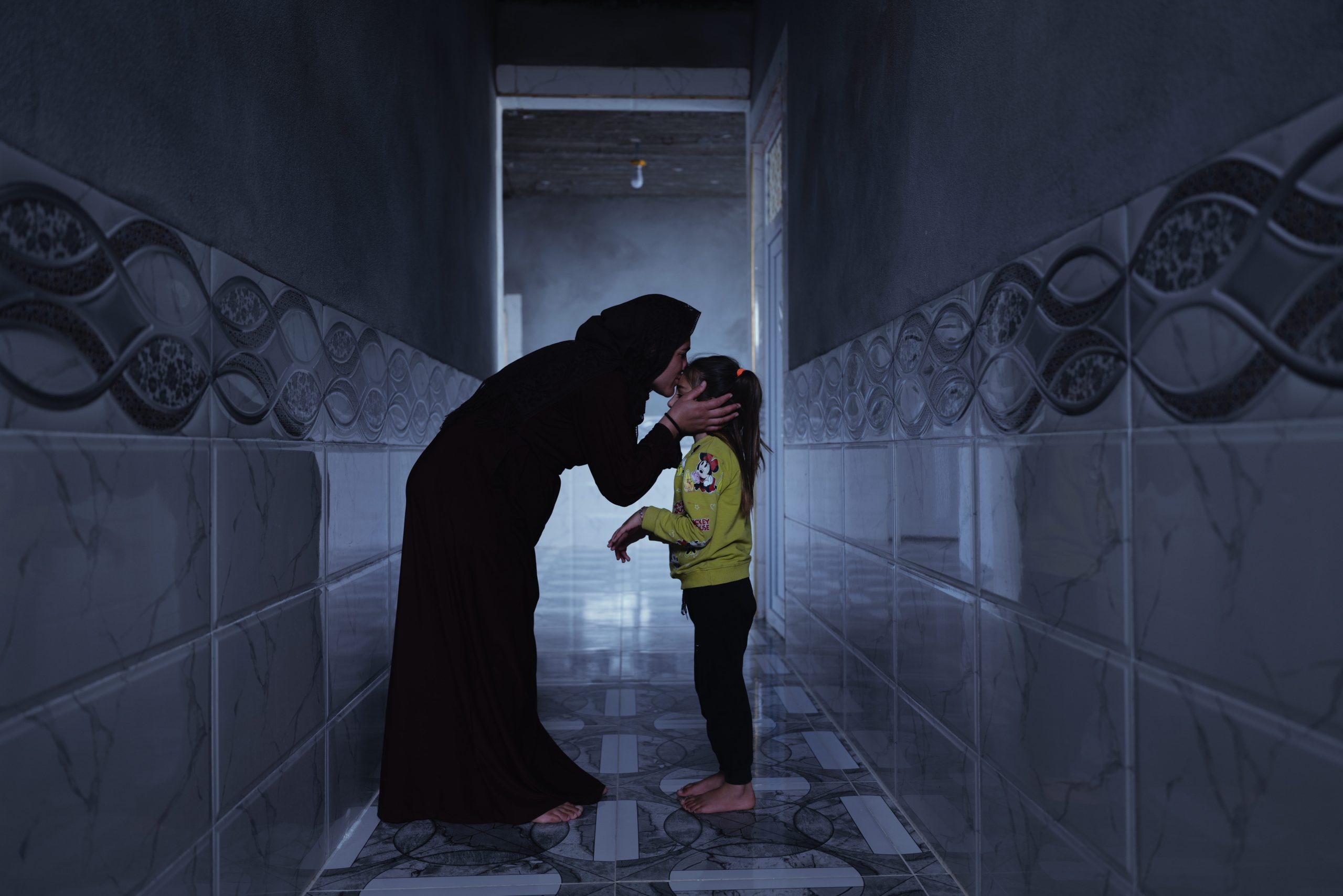
For Emily as a photojournalist, the allure of Iraq was never the spectacle of war or conflict, but the enduring presence of its cultural and religious heritage, resilient in the face of everything. “Walking along the Furat River, I was drawn to what survived through centuries of upheaval: ancient traditions, ancestral practices, and landscapes intertwined with the foundations of the Abrahamic faiths, including the mythic terrain of the Garden of Eden. These were the reasons I was first drawn to working in Iraq, not the war, destruction, or suffering.” she explains.
The Lasting Echoes
A decade after ISIS’s genocide, the scars on the Yazidi community remain deeply present. Attention, however, still tends to orbit the event itself rather than the ways in which it continues to shape daily life. “Actually, there have been a lot of ceremonies around mass graves, and there are still mass graves being unearthed,” she says. “Many sacred Shrines have been repaired, and annual spiritual and cultural gatherings have gently begun again. Yet the community’s trauma is far from contained. The long-standing effects… are so monumental. Without any psycho-social support, a lot of people are living with immense mental health issues. I wouldn’t say the community is thriving, because how would you thrive in such circumstances – but what I do know is they are longing to thrive, and defiant too.”
That sense of stasis is reinforced by conditions that extend beyond memory into the very mechanics of movement and access. “Even if they are trying to seek health care in other cities… they can’t,” she explains. “They can’t even move freely in their own country. They’re controlled and restricted.”
Sinjar itself sits at the intersection of multiple layers of insecurity and regional contestation, affected by both neglect and competing forms of control. “Many groups want to maintain absolute control in Sinjar because it’s the only mountain in that Westerly region. The strategic importance is hard to overestimate. So it’s become territory that groups are wrestling over, while Yazidis live there, suffering under all of that.”
In this context, the aftermath of genocide is not a contained historical chapter but something that continues to surface in the most ordinary exchanges, often without warning. “Yes, some days they talk about it a lot,” she recalls. “Other days they say, ‘Let’s not talk about it, stop it, cut the conversation.’ But it’s hard not to talk about it when it’s very visible everywhere. We go for a walk past a mass grave, we walk through the village, and then a neighbour says that a family member has just taken their life. Or… you know, ‘we can’t get to Erbil because of restrictions and we have a sick child.’”
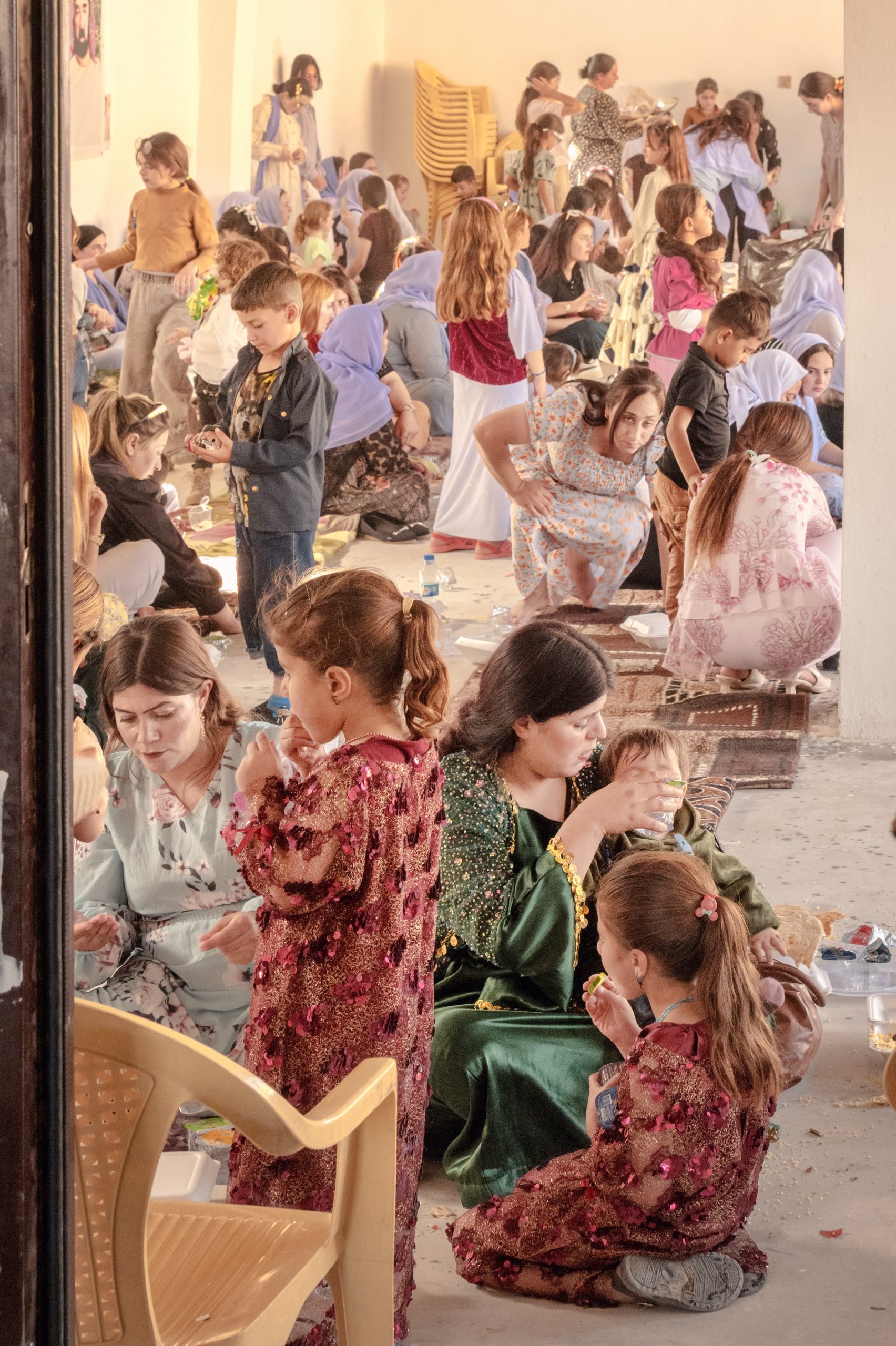
There is no coherent process of recovery here, only fragmented attempts to rebuild life as it continues to be interrupted by the absence of basic infrastructure, mobility, and care. Life is not “restored” so much as assembled day by day, in conditions that remain unresolved.
“Despite everything, you can see they still have an incredible amount of determination to start again,” she says. “But I don’t need to sugarcoat the reality of a community that has been entirely abandoned by the world.”
A Quiet Way of Seeing
While speaking to Emily, you could feel how close she was to the community, and how much care she held for it. From there, we tried to get a little closer, not to the moments we’ve already seen through her camera, but to the ones that never made it into the frame. “There are many moments where people ask me not to take a photograph – and if an image risks harming someone or upsetting them further, then what purpose does it serve? I’m not entitled to every image, or to people’s lives. That trust has to be earned, and it takes time.”
For her, restraint is not a loss. “I don’t grieve the photographs I haven’t taken, because no one knows they were never captured. Sometimes, you simply have to wait.”
When she speaks about the women she photographs, her voice shifts – it softens, almost instinctively, as if she’s returning to something very close to her.
“The photographs I value most are those taken with women who may not feel confident in themselves. There’s a moment we share where they see themselves differently – going through the images, full of joy, asking, ‘Oh my God, did I really look like that?’ And the answer is yes, you did.”
When she speaks about how she works, it comes out simply, almost as something that couldn’t have been any other way. “I don’t believe in being a ‘fly on the wall.’ If you’re not integrating into the community, you stand out even more. To really blend into a household, you have to participate – clearing dishes, preparing food, making tea, helping with childcare.”
Emily continues, “You can’t just sit in the corner with a camera – you have to be part of it. And consent is essential. It’s about making sure people are comfortable being photographed, and then going through the images with them, making sure they agree to how those images are used.”
Then, as she was speaking, Emily paused for a second and smiled, remembering something that seemed dear to her. “I once photographed Hajer, a friend in Tikrit, and the photo was later featured in an exhibition at the Louvre Museum in Paris – she was so happy, saying, ‘I can’t believe it, I made it to Paris!’”
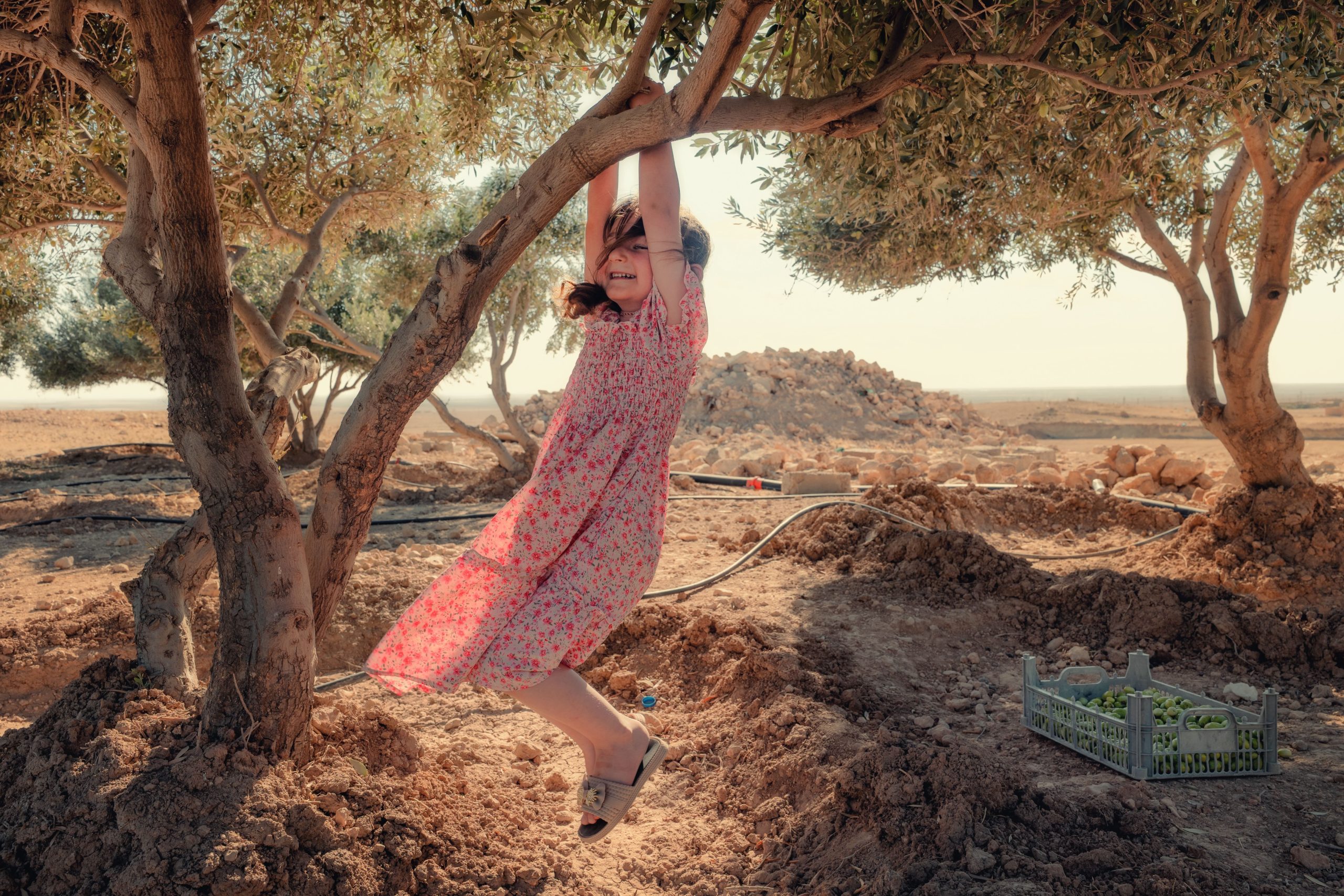
A beautiful thread of memories just kept flowing. “At the festivals, even the girls who had very little would still try to look their best. I remember photographing a group who had cut pieces of plastic, painted them, and stuck them onto their nails. Even if they couldn’t afford proper manicures, they still wanted to feel beautiful. And they hand-make all their dresses.”
When Garthwaite visited Sinjar, she brought a second camera with her and connected with Lena Dawid, a 19-year-old Yazidi woman whose family now manages a farm supported by Regenerate Shingal at the base of Mount Sinjar. When Garthwaite offered to lend her camera and photograph a festival together, Lena agreed.”I loved seeing her excitedly moving through the crowds,” Garthwaite recalls. “She was proud of the work she had made, and we reviewed it together at her home.”
For Garthwaite, the emergence of Lena as a photographer is part of the larger vision. “I don’t want this work to be about an outsider coming to document a community. This is about a young Yazidi woman, a genocide survivor, learning to tell her own story visually. My role is to support and witness,” she says. “But the future belongs to them, to people like Lena, who will continue to document their own regeneration, their own return.”
And it is within these memories and encounters that Emily repeatedly returns to a quieter realization: how recognizably human these lives are, how closely they mirror anyone else’s. They are neither outsiders nor abstractions, despite the way they are often framed, but people who seek a life that is safe, dignified, and sustained by the most basic conditions of stability. Even when those conditions are withheld, there remains a steadiness in how they continue forward, carrying the weight of what has been imposed upon them without ever being reduced by it.
In the Space of Uncertainty
Regional shifts continue to reverberate deeply within the Yazidi community, not as distant geopolitical developments, but as immediate sources of anxiety and uncertainty. The political transformation in neighboring Syria – marked by the fall of the Baathist Assad-led regime and the rise of Hay’at Tahrir Al Sham under Ahmad Al Sharaa – has intensified regional unease, particularly among Kurdish and Shia communities across Syria and Iraq.
Against this backdrop, questions emerge around how the Yazidi community situates itself within these shifting dynamics, and how it imagines its future amid a landscape defined by instability and unresolved memory.
“They are very fearful of this – Many in the community hold Al Sharaa personally responsible for contributing to the violence against Yazidis.” The reconfiguration of power in neighboring Syria is not perceived in abstract political terms, but through the lens of lived memory, where past violence remains unresolved and easily reactivated.
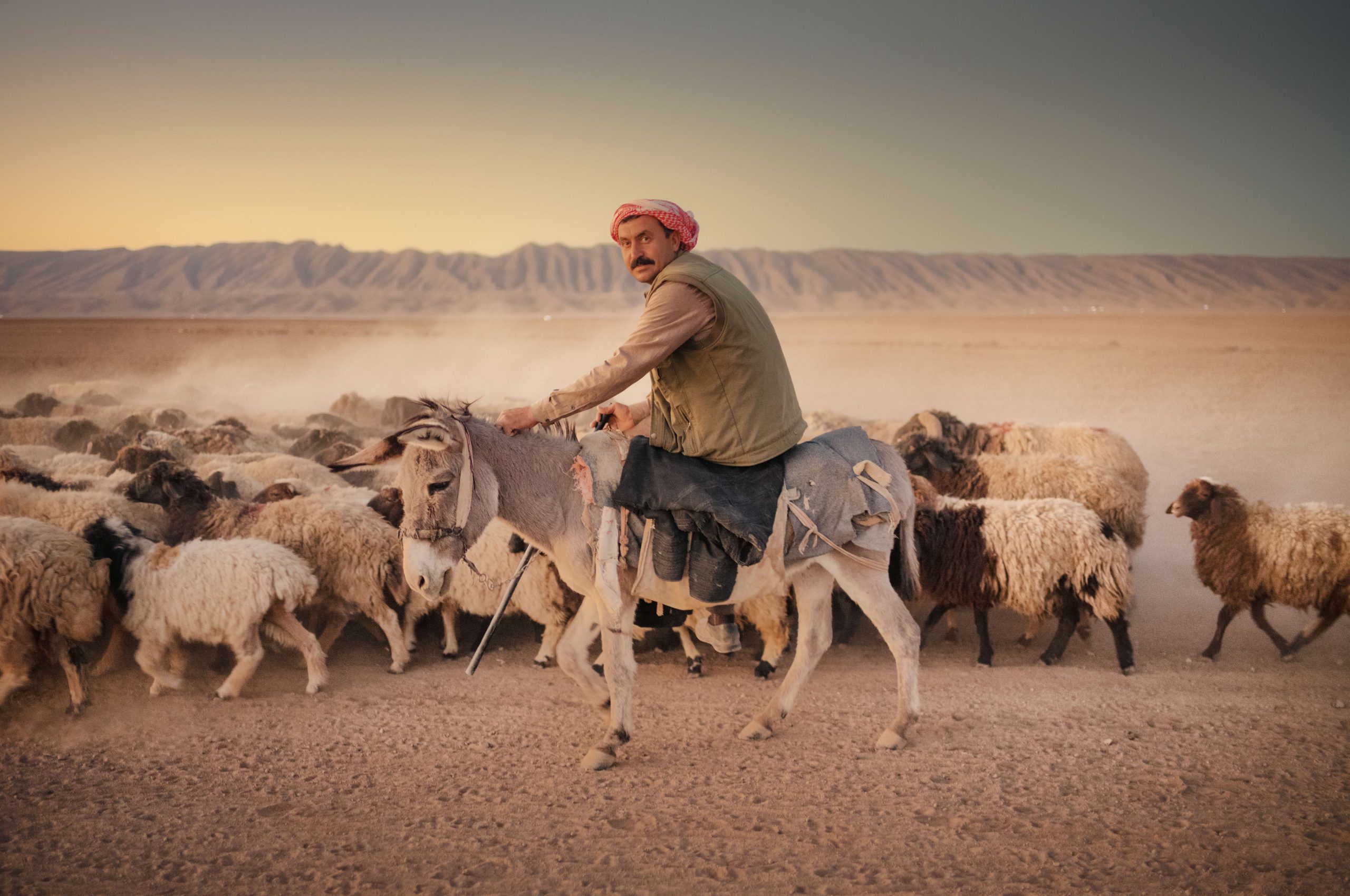
This sense of precarity is further reflected in how Yazidis regard questions of security and alignment. “Yes, some of them are,” she notes when asked about connections to the Syrian Democratic Forces. “Actually, within one family you’ll find members in different factions – Yazidis have joined different sides to navigate their security.” What emerges is not a unified political stance, but a fragmented, pragmatic response to instability, where survival often necessitates difficult and, at times, contradictory choices.
As our conversation with Emily came to an end, the struggle of this community did not – and neither should the conversations around it. Not only the Yazidis, but minorities across the Arab world: Druze, Alawites, Kurds, and others. The list is long, and it speaks to a region of extraordinary diversity, where too many voices still struggle to be heard.
The only future worth believing in is one where sectarianism and racism no longer define belonging – where equal rights exist not only on paper but in practice, and where the categories of “minority” and “majority” no longer determine who is granted visibility, protection, or voice, but all are understood first and foremost as citizens.