
Across the world, something quiet is happening. People are returning to the morning ritual. Not the elaborate, optimized version that lives on social media. The real one. The slow first hour of the day, the small repeated act, the practice that grounds a person before the world pulls them in a hundred directions.
In the MENA region, this is not new. Mornings have always been sacred. The first cup of Arabic coffee, the careful preparation of tea, the breakfast laid out for family before anyone leaves the house. Across Cairo and Beirut, Riyadh and Dubai, the morning has long been a time of intention. Wellness, here, was never a trend. It was a tradition, woven into the way a day begins.
What is new is that modern life has stretched everyone thin. The schedules are full. The phones are loud. Even the simplest rituals begin to fall apart when there is not enough time. And yet, more and more, people are reaching back. Choosing the slow morning. Choosing the small practice. Choosing the ancient over the trendy. There is a hunger for what is real, and a recognition that the deepest answers often come from the oldest places.
THE PHYSICIAN WHO RETURNED TO THE BASICS
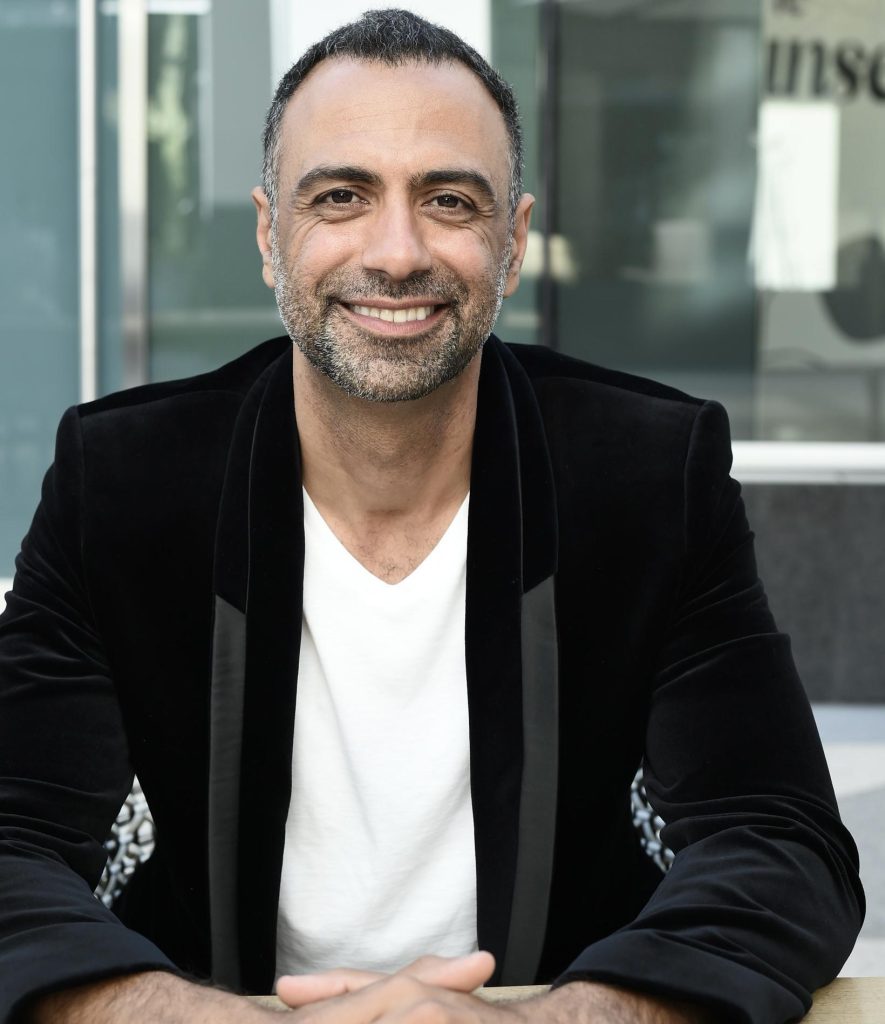
Dr. Peyman Gravori is an Interventional Pain Management physician based in Los Angeles. His clinical practice is built on a simple philosophy: the body knows how to heal itself when given the right conditions. The role of the physician, in his view, is to identify those conditions, not just manage the symptoms in front of him.
A few years ago, his own body forced him to live that philosophy. He was struggling with persistent bloating, fatigue, sugar cravings, and a depression he could not shake. The gut, he suspected, was the root of all of it. He sought out colonic therapy, and the change in his body was immediate and undeniable. Gravori said that after one session, he felt a sense of emotional relief while walking back to his car. According to Gravori, the abdominal pain he had been experiencing appeared to lessen, and he noticed changes in his sense of smell and taste that he had not expected. The Gut-Brain Axis became real to him, not as a textbook concept but as a lived, physical experience.
The colonic therapist who treated him had a single recommendation she gave him every time. Apple cider vinegar with lemon, every morning. She did not try to sell him supplements. She simply pointed him back to a ritual that had been around for thousands of years.
He tried it. Gravori described the experience as producing noticeable results for him personally. But he could not maintain the habit. The prep was inconsistent. The taste was harsh. The morning was already too full. He searched what was on the market: gummies turned out to be candy with a fraction of the dose, capsules that felt clinical and disconnected from the natural ritual he was trying to build. None of it felt right. So he built his own.
THE PERSIAN ROOT AND A SHARED CULTURAL MEMORY
Dr. Gravori is Persian, raised in Los Angeles. His relationship with food, family, and the morning was shaped by a culture that has always treated daily rituals as sacred. The slow brewing of tea. The shared breakfast that was never rushed. The understanding that what you put into your body in the first hour of the day shapes everything that follows.
There is a shared thread across the MENA region in this regard. From the Persian afternoon tea to the Lebanese breakfast spread to the Egyptian coffee tradition, daily ritual has always been understood as wellness in itself. Tradition is not separate from health. It is the foundation of it. This is wisdom that the rest of the world is beginning to rediscover.
When Dr. Gravori created OMARA, he did not feel he was inventing something new. He felt he was returning to something ancient. Apple cider vinegar with lemon, taken first thing in the morning, has been part of human wellness traditions for centuries. His contribution was simply to find a way to make that tradition fit into a modern morning, when the schedule does not always allow for the prep that the original ritual required.
HOW OMARA FITS THE MODERN MORNING
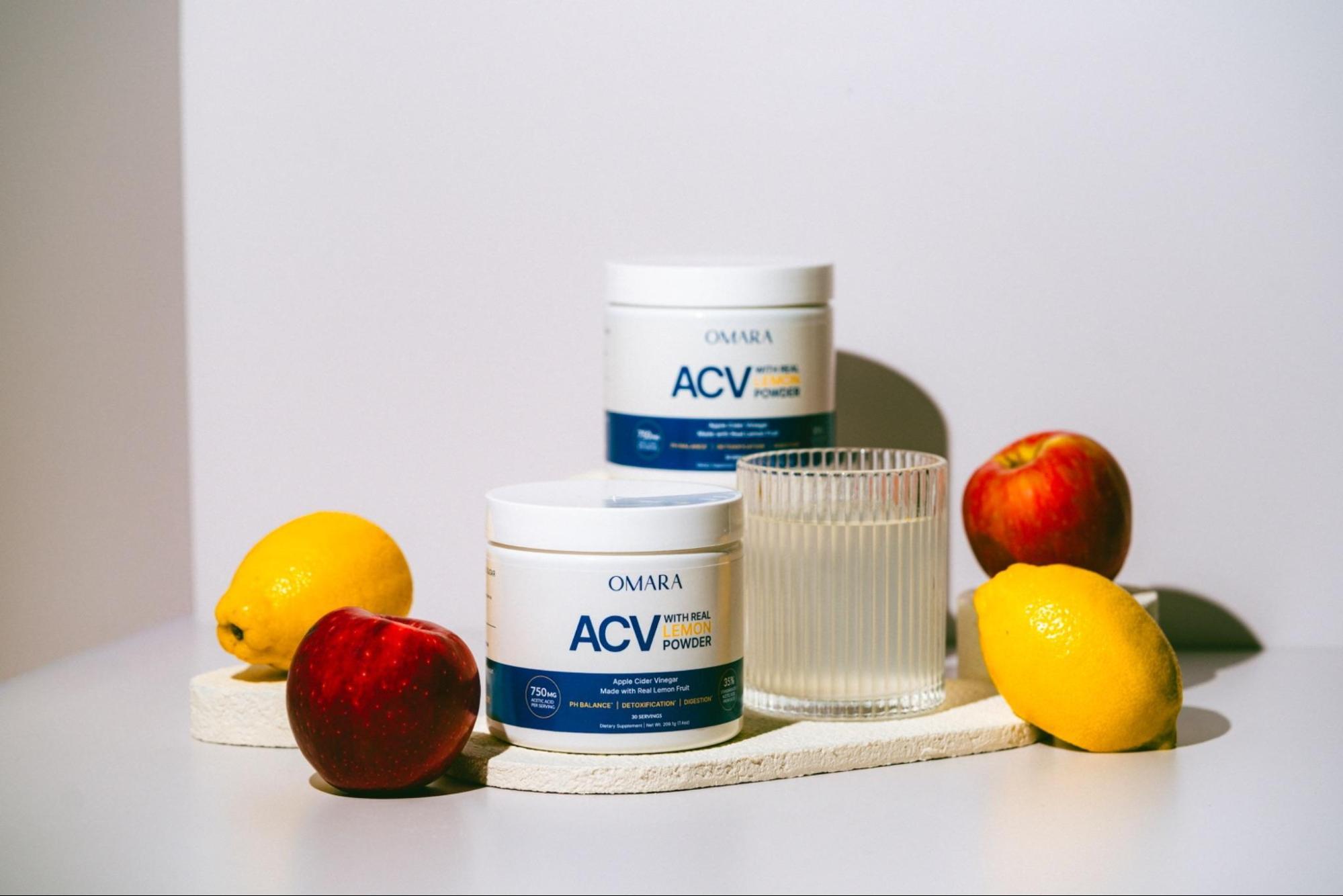
OMARA is a daily wellness drink mix. The formula brings together apple cider vinegar and whole lemon fruit, with Vitamin D and Zinc to support overall wellness. One scoop dissolves into a glass of water. The whole ritual takes thirty seconds. It tastes like fresh lemonade, not medicine.
Two design choices matter most. The first is the use of whole lemon fruit, including the peel and pulp, rather than lemon juice or flavoring. The polyphenols in lemon, the compounds studied for their role in supporting gut microbiome health and antioxidant activity, are concentrated in the peel and pulp. Some products on the market may not utilize parts of the fruit that are believed to contain higher concentrations of beneficial compounds. OMARA made the opposite choice because tradition does not waste what nature provides.
The second is that the format was built for real life. There is no prep, no measuring, no harsh taste to brace against. The thirty seconds it takes to mix OMARA into water is the entire commitment. The design philosophy was simple: the most powerful daily habit is the one you can actually keep.
THE QUIET RETURN
Wellness in the MENA region has always been daily, rooted, and ritualistic. The morning has always been the place where intention meets practice. What is changing now is not the wisdom. The wisdom has always been here. What is changing is that the modern world is finally catching up to it.
OMARA is one small expression of that return. It is not a trend. It is not a transformation. It is the simple, repeated practice that ancient traditions have always understood as the most powerful kind of wellness.
The most beautiful habits are the easiest to keep. The most enduring rituals are the ones that fit into the life you already live. The return to the morning, in its quietest and most familiar form, is not a new discovery. It is a remembering. And in that remembering, perhaps, is the simplest and most lasting answer of all.
These statements have not been evaluated by the Food and Drug Administration. This product is not intended to diagnose, treat, cure or prevent any disease.
RS MENA staff were not involved in the creation of this content.












Shobra El General Puts the Street Back Into Mahraganat on ‘I Want to Pay the Rent’
In a time of crisis and artistic detachment, Shobra El General finds the right medium for his social commentary on ‘I Want to Pay the Rent’.