Following the ceasefire agreement brokered by Pakistan on April 8, aimed at ending the US-Israeli campaign against Iran, Tehran called for a complete halt to hostilities across all fronts, including Lebanon.
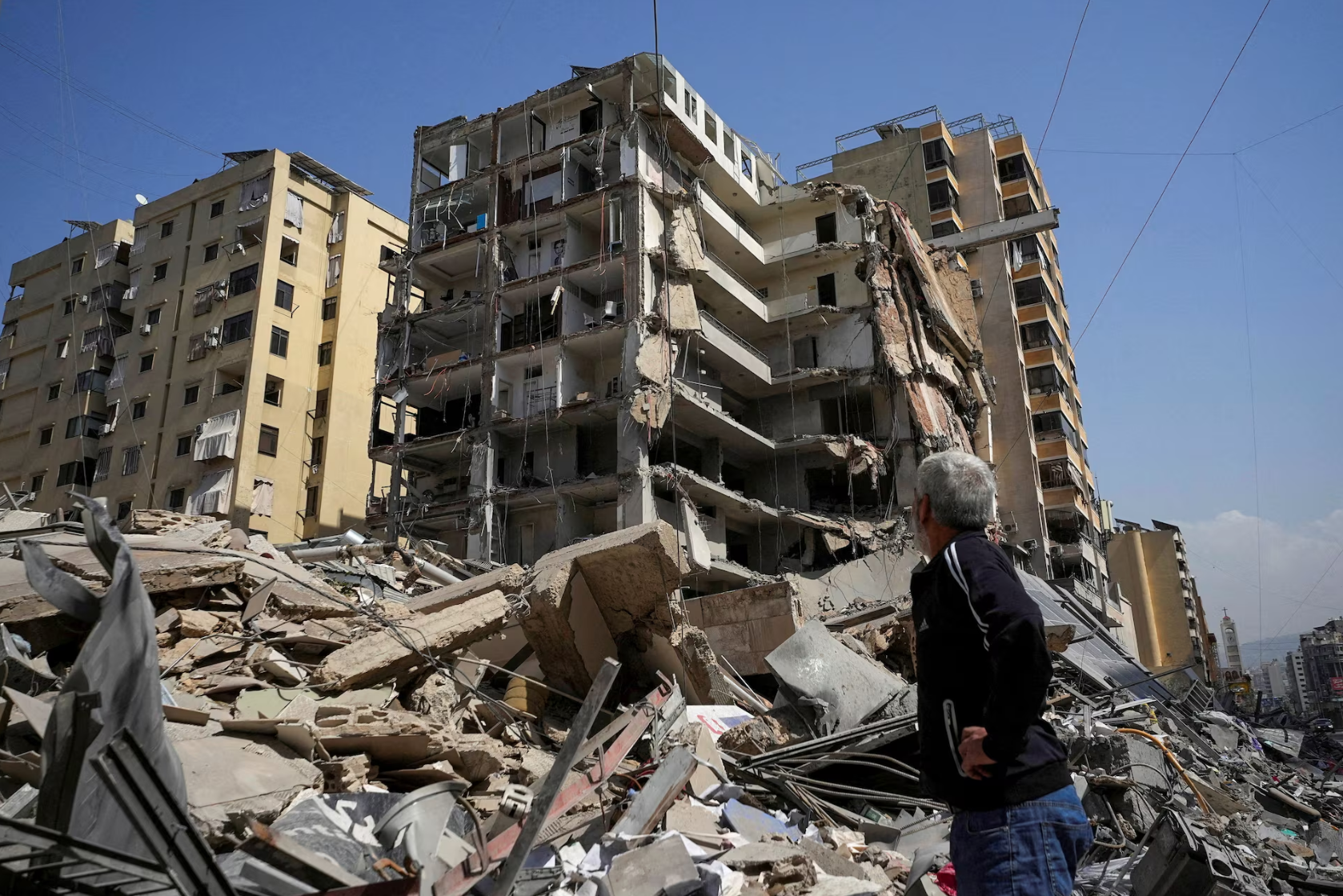
In response, Israel launched what it described as the largest airstrike campaign against Hezbollah since the beginning of its assault on Lebanon, striking over 100 sites across the country in just ten minutes.
The operation, named “Eternal Darkness,” occurred despite Hezbollah observing the ceasefire and launching no attacks, and resulted in the deaths of more than 70 civilians and the injury of over 200.
Israel stated that while it has halted operations against Iran, its campaign in Lebanon will continue unabated. Such actions, occurring in direct contradiction to the ceasefire, risk undermining a fragile truce in an already catastrophic situation.
Since the onset of the most recent Israeli campaign in Lebanon, Israeli strikes have killed over 1,500 civilians, including more than 130 children, and displaced more than 1.2 million people – roughly one in five Lebanese citizens.
Some analysts argue that today’s campaign may reflect an attempt by Israel to achieve its core military and strategic objectives before being compelled to pause hostilities under broader regional pressures – including Iranian insistence that a ceasefire with the United States encompass all fronts.
By seeking to degrade Hezbollah’s capabilities and consolidate leverage on Lebanese soil, while Tehran’s focus remains on negotiations and political settlement, Israel may be trying to solidify its gains and avoid what it sees as a strategic disadvantage once international and regional dynamics shift toward enforcing a comprehensive truce.