
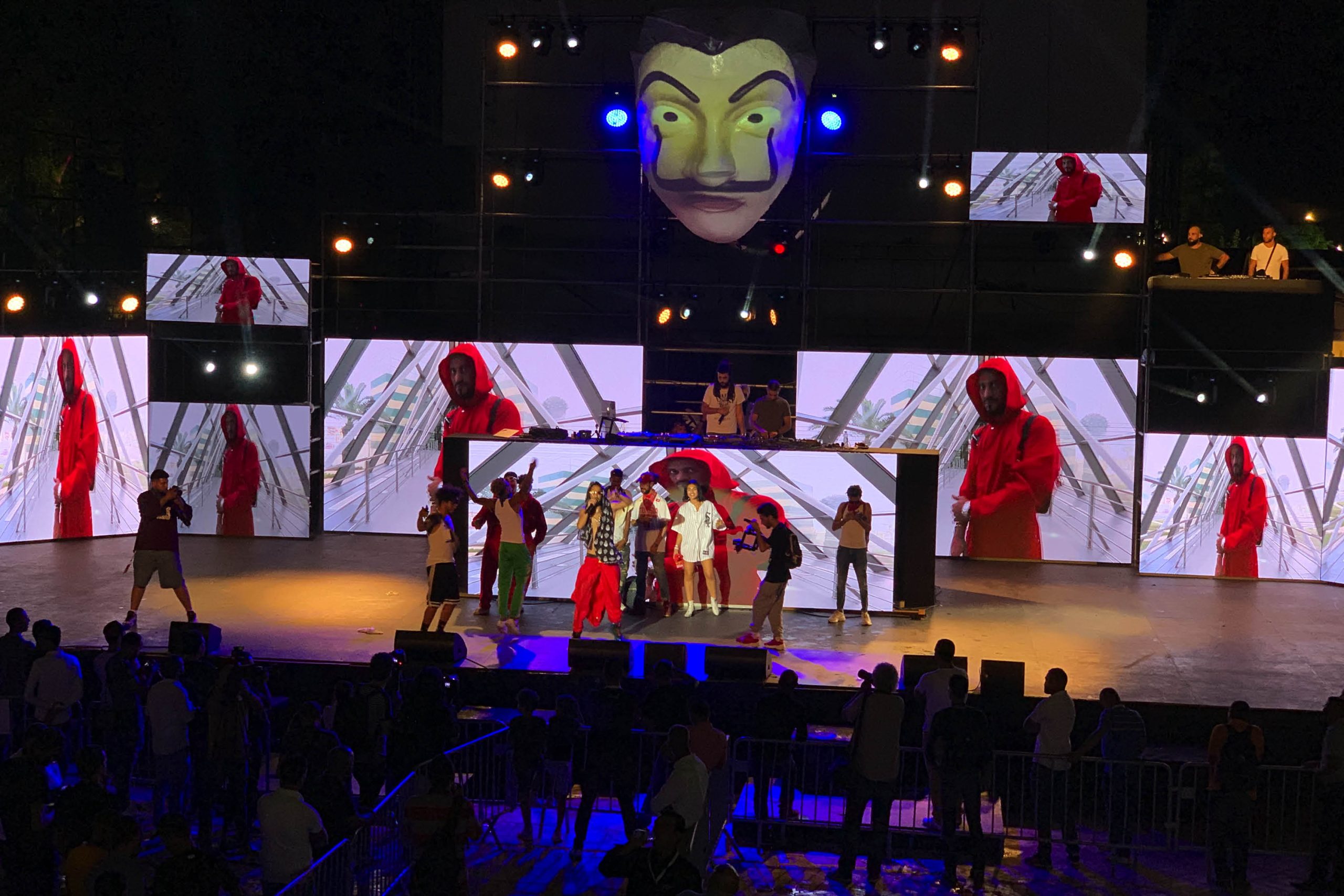
The videos from Carthage Urban Fest 2019 feel almost altering when you watch them today. Onstage, rappers in red jumpsuits, a wink to La Casa de Papel, swagger across the stone theatre as if they’ve just cracked open the gates of official culture. Behind them, heist visuals pulse on giant screens: a symbolic raid on a state institution that long pretended rap was a temporary disturbance rather than a cultural fact.
At the time, it felt like a shift. Rap, the genre once dismissed as noise or delinquency, was suddenly on Carthage’s mythologized stage without needing to crash the door first. But seven years later the footage plays differently. Not wrong, not naïve – just softened, as if a moment that once looked like arrival now reads more like a brief détente. A polite truce between a growing youth culture and the institutions that still don’t quite know what to do with it. That truce, like many in Tunisia, didn’t last.
When rapper Kamara was arrested last year after releasing “Khoulassa,” a track describing police violence, the debate resurfaced: who can say what in a country where freedom of expression is constitutionally protected yet constantly renegotiated? His detention lasted three days. No charges, no statement, no clarity. And, as usual, ambiguity filled the space where explanation should have been.
Inside the rap ecosystem, reactions diverged sharply.
“It was a show. Nothing more.” – Kouky Dateacher
“I’m going to be honest: Carthage Urban Fest didn’t change anything,” says Kouky Dateacher, radio presenter and one of the scene’s longest-serving mediators. He doesn’t bother dressing it up.
“It was a show. Just a show. It had no cultural impact. Culture is continuity.”
His skepticism cuts through the romantic readings. Media does have a tendency to inflate isolated cultural moments into turning points, mostly to compensate for the absence of real cultural policy. Kouky refuses that logic. For him, a one-night spectacle doesn’t mean the state embraced rap; it just means someone approved a budget line.
He’s also unconvinced by the narrative that rap is being suffocated politically. If anything, he argues the opposite.
“Tunisian rappers are lucky,” he says. “They can say whatever they want. The only thing you can’t air on radio is cursing. That’s it.”
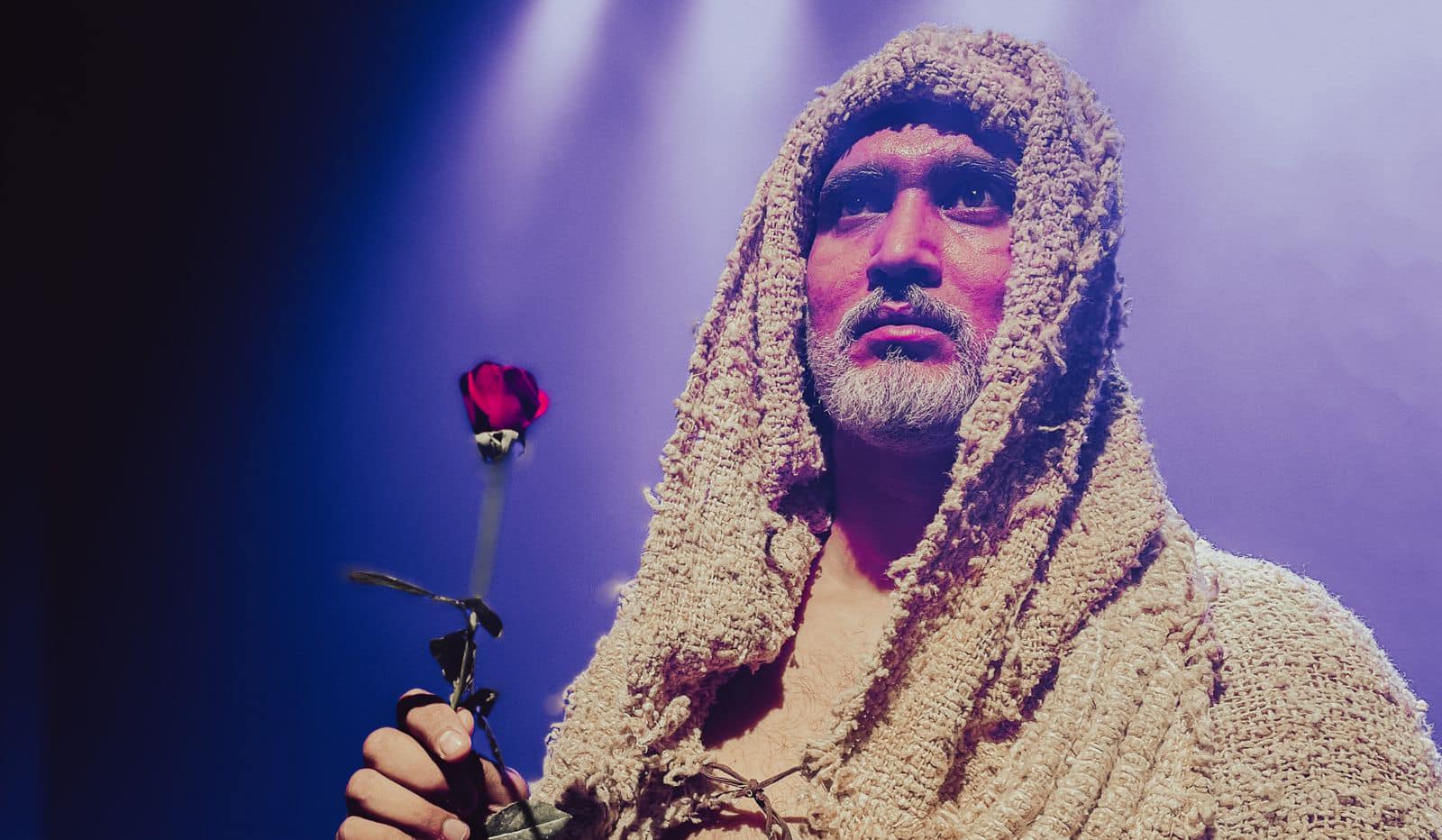
In his view, rap in 2025 isn’t constrained by politics but by economics. The problem isn’t what artists can’t say, it’s the lack of infrastructure to transform the music into something sustainable. “Rap is better than it was ten years ago, artistically, for sure,” he says. “But politically? Rap isn’t a tool anymore. Back then it poked perceptions. Now it’s free from interference. Artists want money, visibility, and better production.”
On Kamara, he stays consistent: “It’s an isolated case. Not a trend. It would be a concern if it becomes a collective behaviour from the state. But this? No. It’s not a threat to freedom.”
Kouky’s framing doesn’t deny that Tunisia is tightening in other areas, especially toward journalists or dissidents, but he draws a clear line between that and what rappers are experiencing. Constraint, for him, is structural: lack of venues, labels, professional frameworks. Hustle fatigue, not repression.
“My country is rap, and my hometown is my lyrics.” — Fijo
Fijo, meanwhile, experiences this landscape from a different angle: the writing desk, the studio, the street. “My universe is culture, and my hometown is my lyrics,” he tells me. “I don’t try to sound perfect. I try to sound true.”
He writes about the daily weight of inequality, pressure, and survival. The normalization of police violence in working-class neighborhoods, and the sense that some stories can only be told from the inside, are both folded into his coded images.
And when Kamara was detained? “It didn’t shock me. Rappers end up in prison all the time because of a song. Words have power, and power scares the system. A track can shake the whole thing.”
He says it plainly, without melodrama. For him, the risk isn’t theoretical. It’s ambient.
“Did it make me rethink what I say? Not rethink. Just made me aware. You don’t stop (saying the) truth because someone’s scared of it.”
He emphasizes the collective tension: “We all know it can happen to any of us. Some people stay quiet, some stay loud. But the feeling is there, like you’re walking a thin line between expression and danger.”
That line isn’t defined in law. It shifts with mood, politics, and virality. Rappers who narrate everyday violence often find themselves treated not as artists but as subjects of suspicion: their lyrics read as confessions and threats. The internet intensifies this.
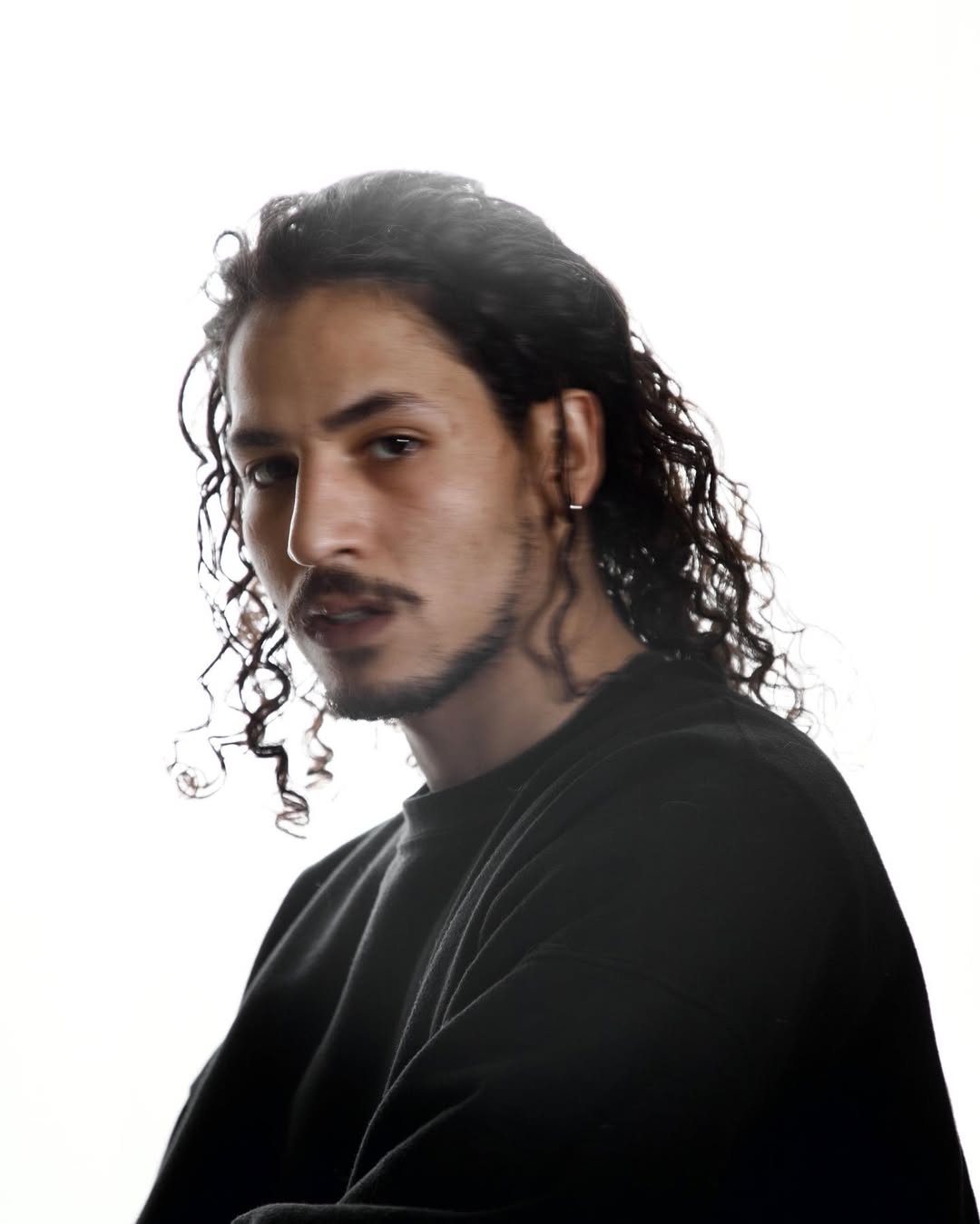
“You’re free,” Fijo says. “But you’re being watched at the same time.”
It’s the amateur cousin of a policeman screen-recording a clip, stripped of tone or context, and sending it up the chain.
“The sound got bigger. The freedom got smaller,” he says. “You can say more about flexing and cars. Less about truth and politics.”
The Gap Between Law and Feeling
The contradiction between Kouky and Fijo isn’t a discrepancy, it’s two ends of a spectrum.
Tunisia is not a cultural police state. It is also not a frictionless creative hub. Expression is permitted, until it isn’t. Protected, until a moment of political tension makes it inconvenient. Rappers are often targeted not only because they criticize the state, but because they describe realities the state prefers to keep unspoken: drug economies, neighborhood violence, harassment, corruption at the lowest levels.
Legally, no one has banned rappers from addressing these themes.
Emotionally, rappers write as if someone might misinterpret every line. And this isn’t unique to Tunisia. Sociologist Héloïse Neveu (2021) describes this phenomenon as “censorship without censors”: when artists from working-class backgrounds internalize risk because they lack the cultural capital, institutional backing, or social protection that would cushion them if their words caused trouble. According to her, the poorer the artist, the higher the cost of expression, producing a form of anticipatory self-censorship rooted in class precarity rather than explicit prohibition.
When I ask Fijo about provocation, he doesn’t romanticize it. “Sometimes you scream to be heard,” he says. “Sometimes you whisper and they still feel it.” Whisper or scream, the tactic is the same: find a way through.
“Punchlines, visuals, storytelling, you find other ways to speak,” he says. “The system might block words, but it can’t block creativity.”
For some listeners, Kamara’s detention confirmed that the state is tightening its grip again, especially toward music that crosses into social critique. For others, it showed that rappers, like everyone else, are subject to unpredictable policing. And for people like Kouky, it meant almost nothing: “If it becomes a pattern, we talk.”
This multiplicity is telling. Tunisia is a place where narratives rarely line up. Where official explanations arrive late, if at all. Where cause and effect are hard to trace. The useful question isn’t just Is rap being repressed? It’s also Who feels at risk, and why?




Abdi Declares the SDF Integration Into the Syrian State Complete
The SDF has completed its integration into Syria’s state institutions, a major step toward a unified Syria.