

Over the last decade, Egyptian hip-hop has exploded from niche Facebook groups and SoundCloud links into one of the country’s most dominant youth cultures. Names like Wegz and Marwan Pablo are shouted from street corners and massive stages, but it is the producers like Molotof, Hady Moamer, Sulisizer, and El Waili, who have been crafting the sound that defines a generation. While rappers bring voice and personality to the music, producers build the sonic world in which those voices exist, fusing traditional influences and contemporary textures into a sound both familiar and new.
For these producers, their work is almost a philosophy, a critique of industry, and a reflection of society itself. Egyptian hip-hop is restless, experimental, irreverent, shaped by cities that never sleep and a culture that refuses to sit still.
Carving Out Egypt’s Sound in Hip-Hop
Egyptian hip-hop producers’ work is as much about feeling and atmosphere as it is about genre, creating sounds that are uniquely Egyptian before thinking about international stages.
Molotof describes his signature sound simply as Molowave. To him, it’s an energy, a refusal to be confined to just a genre. He has worked with rappers and non-rappers alike, insisting that the sound should not be locked inside hip-hop.
“There is Egyptian hip-hop; it exists, it’s a continuation of the global hip-hop idea,” he says. “We can experiment with all kinds of genres together without labelling them.”
For him, this freedom allows artists to discover themselves, blending Egyptian music with electronic textures in ways that reflect the listener’s own reality.
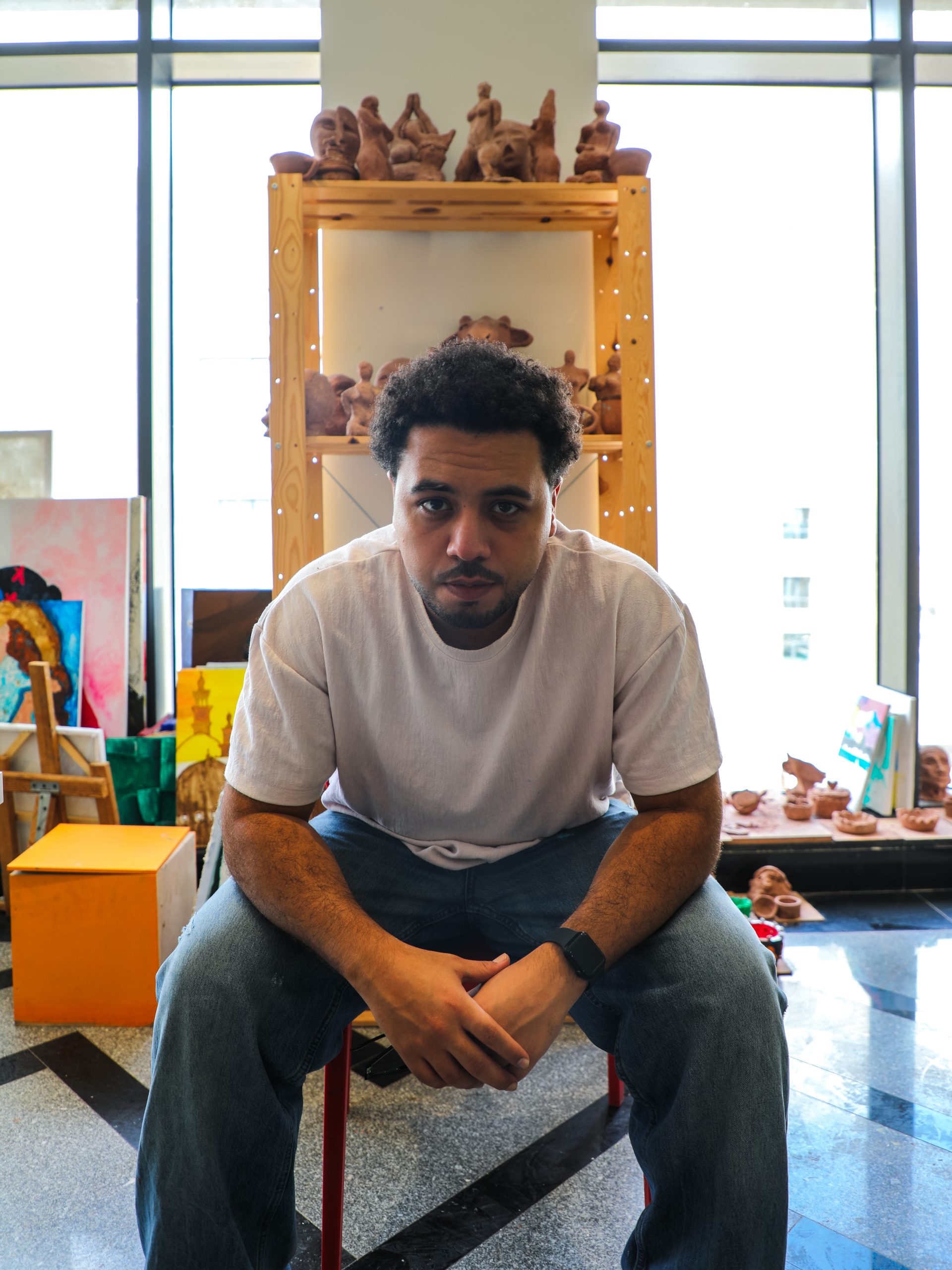
Hady Moamer calls his approach “organised chaos.” He mixes Egyptian nostalgia across decades, textures, and emotions that don’t usually coexist. “It’s less about genre and more about creating a feeling that didn’t exist before,” he explained. “That’s what defines it: a constant effort to invent emotion through sound, something unfamiliar, but undeniably mine.”
Sulisizer, too, situates his work at the intersection of past and future. He describes his sound as cyberpunk yet deeply rooted in Egyptian musical heritage, finding moments where old rhythms collide with contemporary textures. His tracks, such as “Moftares” with Shobra El General or “Al Abyad” with Karim Osama, blend shaabi, psychedelic atmospherics, and electronics.
“Hip-hop and rap generally have spaces where you can explore many genres and different types of music,” he said. “I wanted to try out that area, things related to our sounds and our ethnic world and all that. But it doesn’t necessarily have to be the way all the time. Innovation comes down to emotion: it doesn’t have to be traditional or innovative, as long as the sound touches something in me or opens up my imagination.”
El Waili approaches production with a similar openness. His electro-chaabi style is shaped by instinct and feeling. “When I was describing my sound, I was just describing how I felt, and human beings, by nature, feel a lot of different things at different times. So I can probably stick with the term ‘unexpected,’ and the rest depends on how one feels each day.”
For him, rap is accessible, collaborative, and independent, and he values the flexibility it allows: “Rap artists are generally more willing than other art forms to collaborate and change, and that makes the process of creating a song much easier and smoother.”
Environment as Instrument
The question of what makes a great record is one that comes up frequently in the industry. Music is much more than just notes, beats, chords, and frequencies. The artist’s moods and emotions throughout the recording process, the impact of the technology at the time, and any social, cultural, or political references that might have inspired the songwriting and production – all need to be taken into account.
Another element that is sometimes disregarded is the part that place and environment play in composition. How does “where music is made” affect “how it sounds” in a digital, global, and hyper-connected world?
For Molotof, Cairo itself is an instrument. Its noise shaped Molowave, but a trip to Sinai recalibrated his creative frequency. “It made me rethink everything from the start and understand where my future journey might lead,” he said. Walking barefoot, recording with local musicians in tents, he discovered a raw, unfiltered energy that later became the foundation for his tracks. His mother, singer and sound engineer Reem Khairy Shalaby, shaped this mentality, teaching him to hear old and new as parallel timelines: “Step outside known patterns. You can hear old music with new sensibility, or new music with old sensibility.”
Hady Moamer’s work is defined by the tension of two cities. “I wasn’t raised in Cairo; I moved there later for university, but both cities shaped how I hear things. In Luxor, my sound feels dreamy, spacious, and ethereal. There’s something about the stillness there that makes me organise sound differently, with more air and intention.”
He adds: “Cairo was the opposite. It was loud, chaotic, and rule-breaking. After I moved, everything I made started sounding like a punch, really dense and unpredictable. It took time to find a way to merge both energies, but once they clicked, I was able to express my sound a lot better.”
Upper Egypt’s traditions seep in unconsciously. “Barbary,” for instance, emerged while Hady was listening to music from a local moulid, discovering how melodies could pull listeners in without a clear beginning.
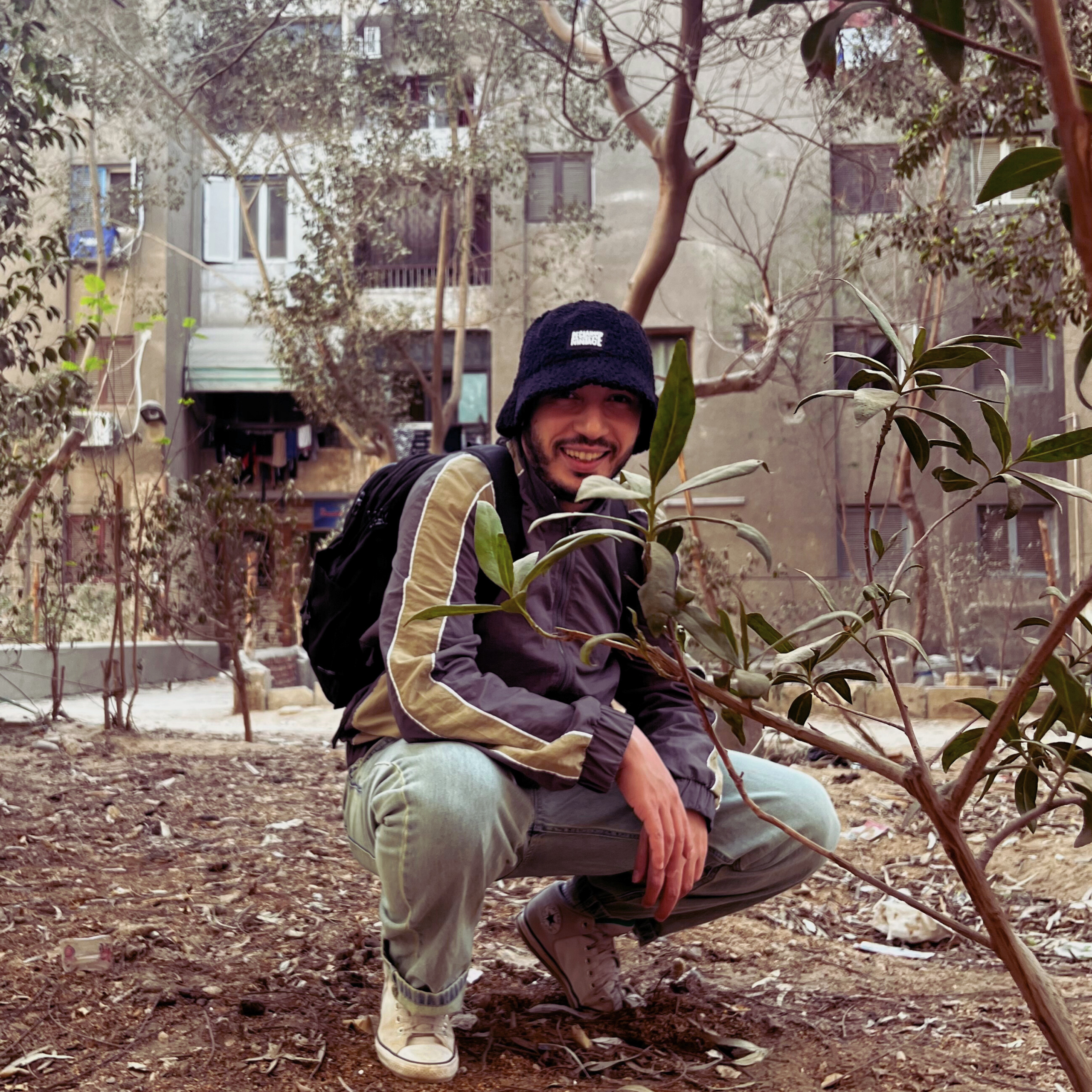
In a similar vein, Sulisizer mines Cairo’s daily life. Metro vendors, street rhythms, and everyday sounds appear in his work, grounding complex sonic textures in lived experience. While El Waili approaches field recordings as emotional memory rather than documentation, creating a personal archive of his environment through music in his upcoming project From the Neighborhood.
Architects of The Scene
Producers in Cairo often receive less visibility than their MC peers, yet one could argue that they are the architects of this entire movement. Their work extends beyond sound; it’s about vision, leadership, and creating a space where artists can grow.
El Waili accepts that rappers often receive more credit, but places the craft itself at the centre. “In the end, I see myself as someone making music the way a carpenter works with wood or a blacksmith works with metal. I don’t really look at anything beyond the process of making the song.”
Meanwhile, Molotof frames his role as that of a director: “A producer is the director of the piece.” He builds worlds for tracks, imagining which voice belongs in each space. That leadership, he says, drives growth in the Arab music scene. Yet, he also warns of a recurring mistake: rappers who achieve fame sometimes avoid working with the producers who helped define their sound. “They avoid working with a well-known producer because they don’t want another big name beside theirs. That’s one of the biggest mistakes in the Arab music scene.”
Hady draws a clear distinction between beatmakers and producers, emphasising the need for full vision: “A sound I wouldn’t usually reach for, a texture that challenges me. If I already know where it’s going, I lose interest. So I build from things that confuse me at first, and that’s what keeps it exciting.”
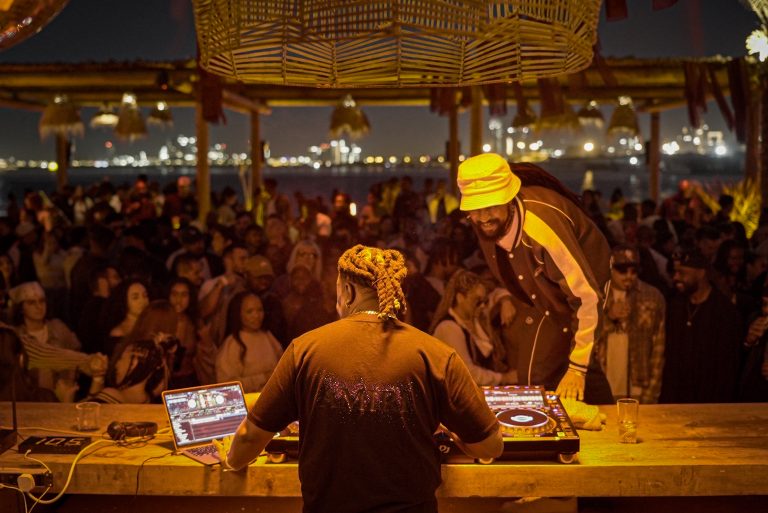
Sulisizer also sees production as world-building across audio, visual, and spiritual planes. On stage, his mask is less about anonymity than immersion: “The visual experience is just as important as the sound experience. I want to wear crazy things and give them (the audience) a visual experience that fits the world of this sound.”
Collaboration & Chemistry
Collaboration in Egyptian hip-hop is as much about personal connection as musical skill. In the studio, tensions, contrasts, and dialogues shape the music above anything else.
Molotof calls it alchemy: “When there’s genuine merging and chemistry between me and the artist, when creating isn’t an effort to understand each other, and we both enjoy making the track, then it works. We both are excited, and the audience can feel it.” He also knows when to walk away; if the collaboration isn’t honest, it ends.

Sulisizer approaches each artist’s sound carefully, finding points of connection before the conversation begins, with little to no care about the artist’s reach or fame: “The first time I collaborated with Karim Osama, I hadn’t seen him or known him at all; someone just played his music for me. He hadn’t even created a YouTube channel yet, and I was so interested to collaborate with him without knowing anything about him.”
In turn, El Waili balances flexibility with identity, joining forces with artists motivated by experimentation rather than following a trend. According to him, a good collaborator has to have “A respectful, pleasant personality. They value art, and they don’t try to “package” it, they don’t force it into a certain box just because that box is currently trendy or getting views.”
Hady thrives on contrast, particularly with artists like Marwan Pablo: “We come from very different backgrounds, with different tastes, instincts, and ways of approaching music, but we always find a meeting point. That tension creates depth.” International collaborations, with Jeshi, Obongjayar, and even a credit on Drake’s Certified Lover Boy, have sharpened his focus on shared vision and emotional space.
Global Ambition
The ambition to push Egypt’s sound into the world is shared across the scene, but it’s always inseparable from an emphasis on not diluting the local essence. For these producers, global reach is about amplifying what is already authentic and rooted in native culture.
Sulisizer focuses on rhythm and image as Egypt’s strongest exports. “The trick is in the execution and presenting it with visuals that truly represent it,” he said.
Meanwhile, El Waili envisions paths similar to Brazil’s funk or South Africa’s amapiano, local styles that capture global attention without losing their roots. He believes that Mahraganat had this potential during its formative years: “Mahraganat was the closest thing that could’ve gone global in its broader sense, not just performing in a few European countries. But unfortunately, when it first emerged, it didn’t receive enough support, so it wasn’t able to reach its full potential.”
Molotof emphasises originality that resonates abroad. “International DJs buying my music on Bandcamp tend to pick Egyptian tracks, those that differ from foreign music,” he said. His mission is to deepen the sound at home while making it accessible to international audiences.
Hady fears misrepresentation more than obscurity. “Working within regional rap, where we often create with limited resources, taught me a different kind of creativity. Instead of adapting to global sounds, I brought our perspective into those rooms.” He aims for lasting impact: “Even when I’m experimenting, it’s all building toward something. I’m not interested in quick wins that fade fast. What I’m trying to make is pristine, something that holds up over time.”
The Future
Egyptian hip-hop is evolving rapidly, moving from underground spaces into the mainstream cultural sphere. Its producers see themselves as guides and guardians, shaping the sound and direction of a scene that reflects the risks, creativity, and imagination of young Egyptians.
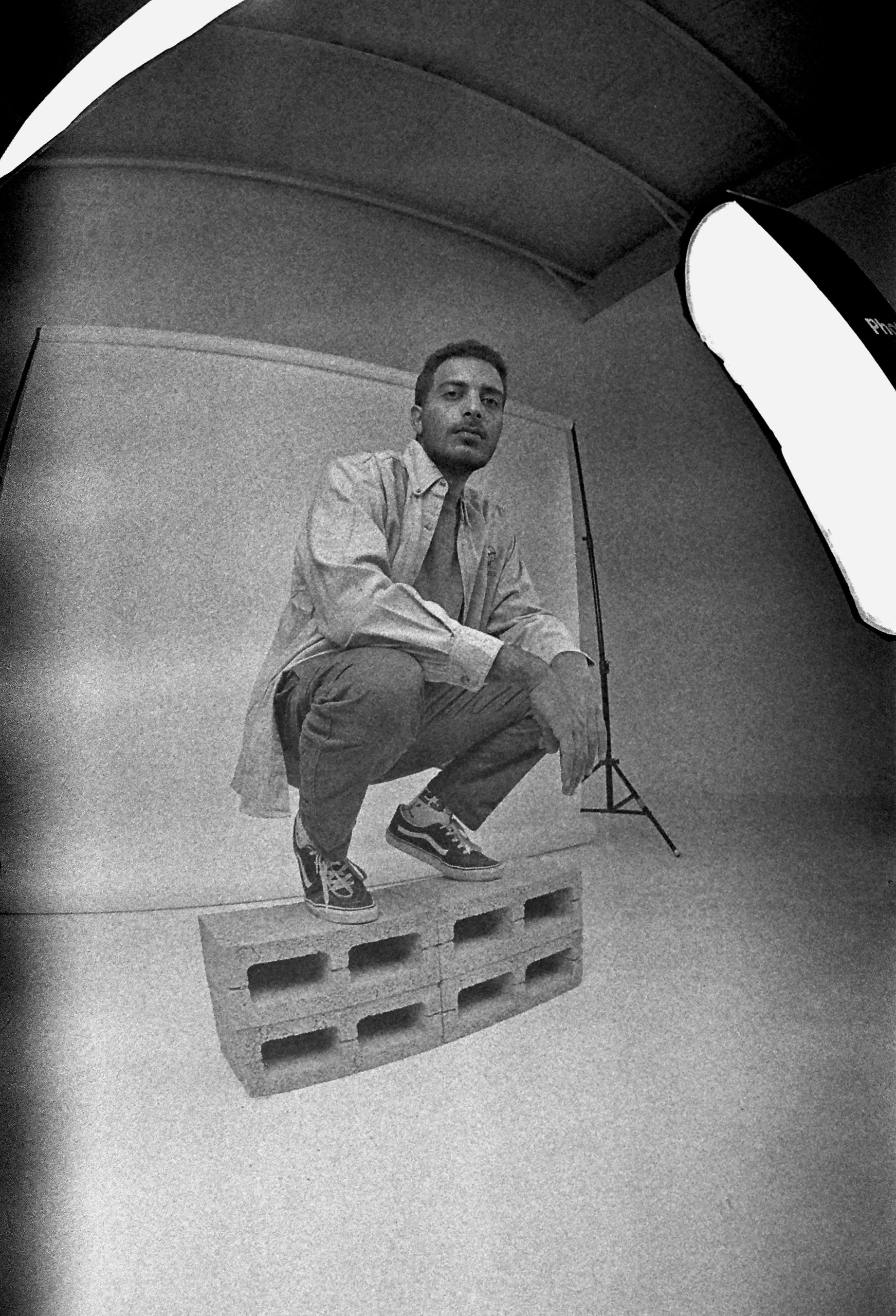
El Waili welcomes the fluidity of Egyptian hip-hop’s identity. He sees its beauty in constant evolution, guided by emotion and experimentation. The next generation, he notes, is defined by those willing to take risks, like Wegz, whose early work once divided listeners before reshaping the mainstream.
Sulisizer points to structural limits, noting the lack of a live culture. “Everything is squeezed into just two venues in Cairo. We need to go out into the streets and see what’s really happening, instead of letting TikTok or marketing companies be the standard.”
Hady hears Egypt in 2025 as nostalgic melodies from the past emerging through modern textures. His measure of innovation is simple: “Anyone not taking the safe route of repeating what works is a game-changer, someone who’s trying. It’s all about risk.”
In turn, Molotof identifies gaps in the music’s subject matter, pushing back against rap songs that focus solely on money or beef. “I truly see there’s an underrepresented direction in Egyptian rap music,” he said.
Beyond music, he values community, education, and mentorship as central to the scene’s future. Society can either cultivate music as a means of expanding minds or reduce it to materialism, and he hopes for the former. He also recognises the darker side, the abuse and bullying of younger artists, as a reflection of larger social failings. If ethics in the arts shift, he believes, broader change will follow.

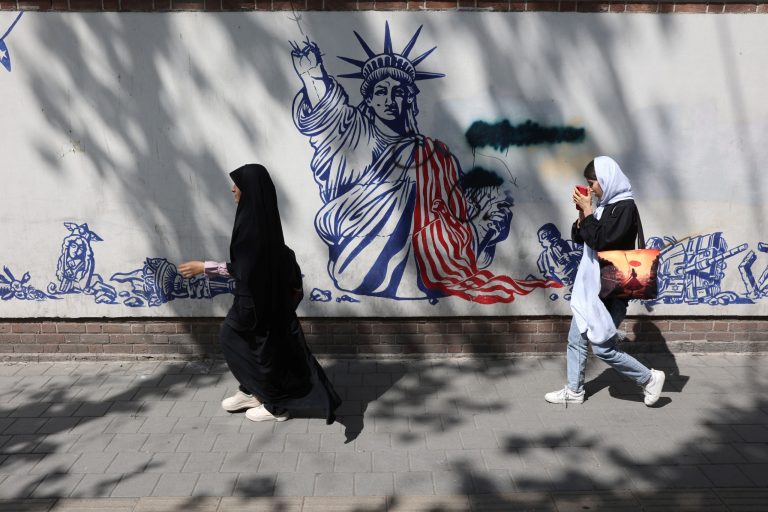
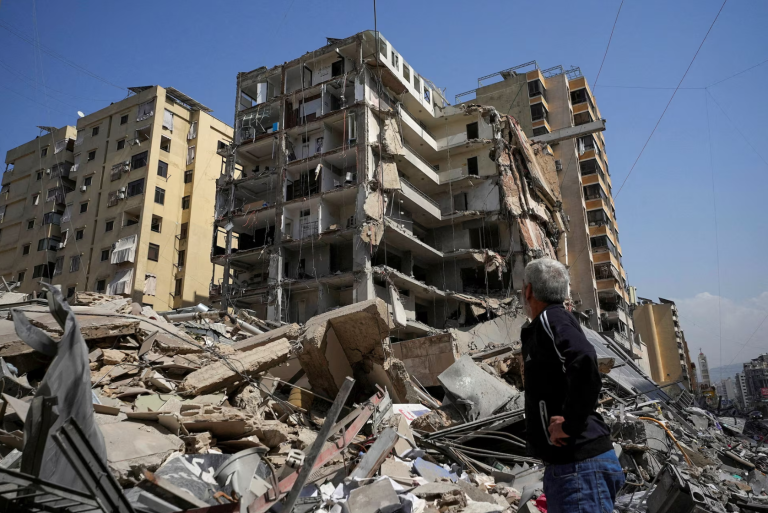




Trump’s Iran War Has Clear Winners and Losers
After weeks of intensive strikes, Iran is emerging from the war with potentially more sovereignty, fewer sanctions, and a weaker opposition.