

Longevity has long been associated with the ultra-rich, the kind of thing you needed a private doctor, a drip clinic, and a spare yacht to access. But as some in the field shift their focus from expanding lifespan to extending healthspan – the age to which a person can remain in good health, free from chronic diseases or significant disability; the conversation around longevity starts to shift from luxury medicine to everyday health. Into that debate steps Bien-Être, a UK startup launching its digital diagnostics platform in the Emirates this month.
Rather than building another high-end wellness clinic, Bien-Être moves the diagnostics online, and make biological testing feel like any other digital service. The UAE’s $41 billion wellness economy – growing at more than 14 percent a year – makes it a fitting laboratory. It’s a health-savvy market, tech-comfortable, and not shy about paying for wellbeing.
Bien-Être digitizes longevity tools usually associated with celebrity clinics, using epigenetic testing – a biological age analysis that measures how lifestyle and environment change gene expression, and NAD+ optimization – a molecule that powers cellular energy and repair, linked to aging and recovery, to build customized supplement plans through a phone interface.
The company’s approach extends beyond individual users. Its platform is built to plug into employee benefit systems, making healthspan tools a workplace perk at a time when 88 percent of UAE employers are increasing wellbeing spending. Whether that ends up improving public health or simply gamifying workplace wellness depends on how these tools are priced, regulated, and integrated into real medical care.
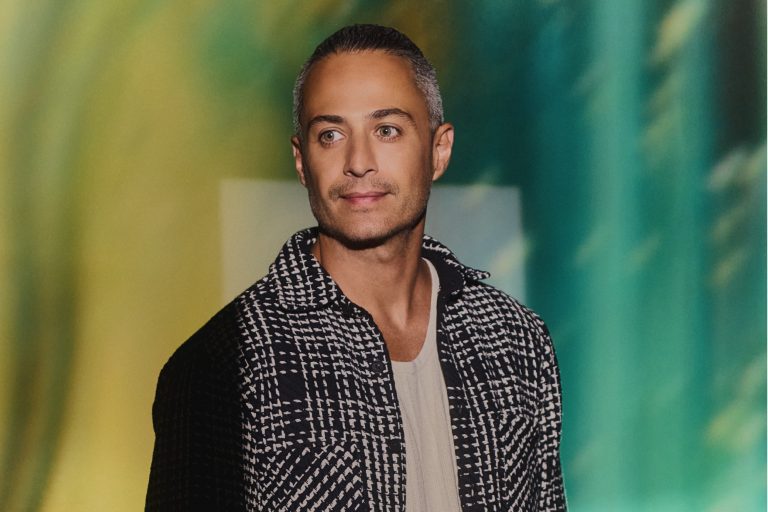
Founder Aly Rahimtoola positions the technology as a corrective to elitist longevity culture. “The infrastructure exists to scale preventative care from a luxury good into a daily utility,” he says. The statement fits the UAE’s ambitions, but also underscores a growing tension: healthspan is being marketed as a universal right, even as it remains controlled by private companies, subscription models, and algorithms.











Arab Films Are Reaching The Oscars, But The Industry Is Still Lagging
Four Arab films make the Oscars shortlist this year, marking a historic moment for an Arab cinema still struggling for sovereignty.